Author: Dr Shaharil

  • Who May or May Not Be Suitable for a Knee Injection?

    Written by Dr ShaharilConsultant Orthopaedic & Trauma Surgeon at CMH Specialist Hospital, Seremban. View Dr Shaharil’s profile.

    Patient guide

    Suitability depends on the diagnosis, intended injection, infection and bleeding risk, medicines, diabetes, previous response and the role of rehabilitation or surgery. A symptom or age alone cannot decide it.
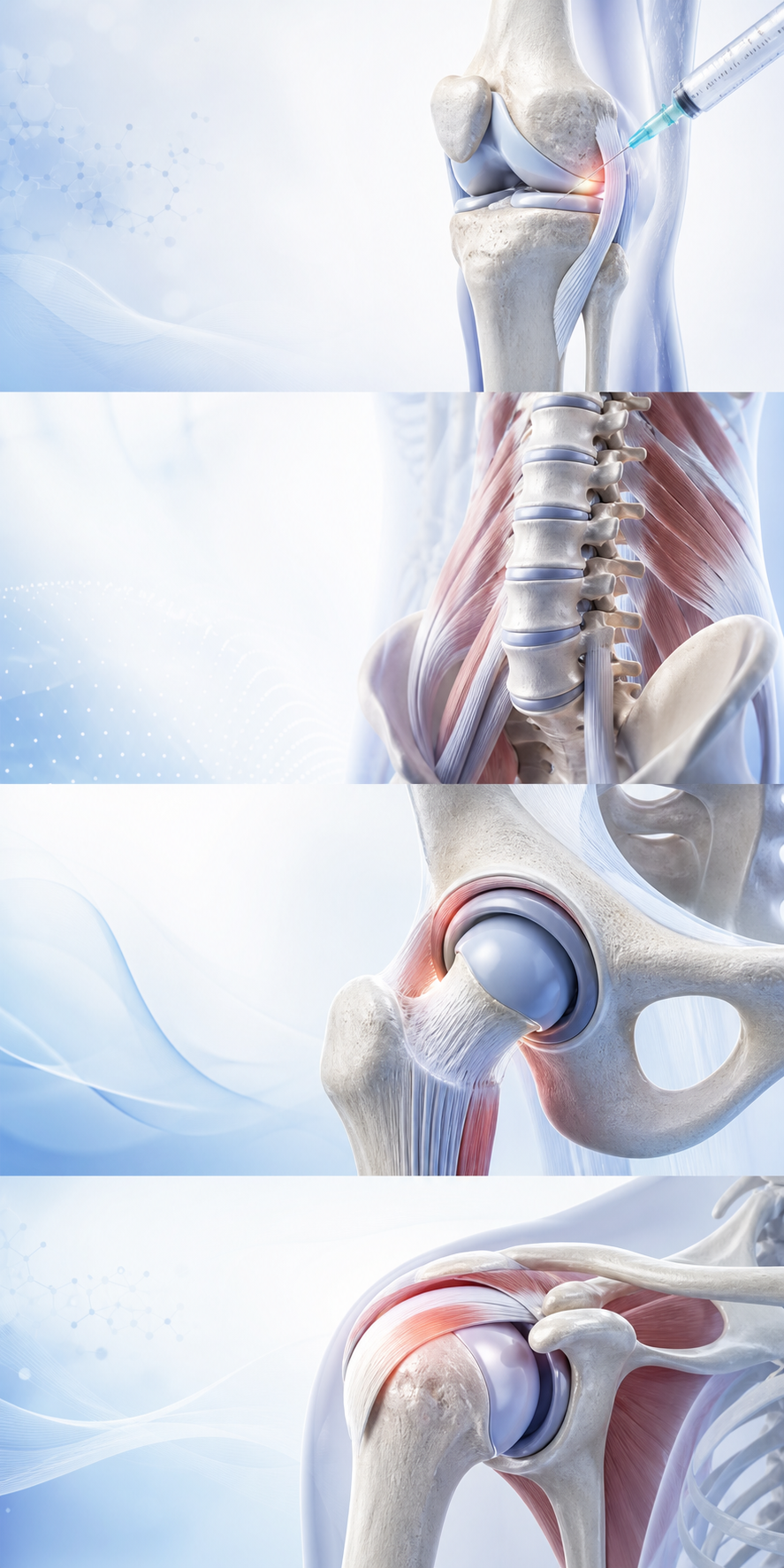
    knee injection suitability — orthopaedic patient guide

    Short answer

    Suitability depends on the diagnosis, intended injection, infection and bleeding risk, medicines, diabetes, previous response and the role of rehabilitation or surgery. A symptom or age alone cannot decide it.

    For the complete consultation pathway, conditions assessed and appointment information, visit knee injection suitability assessment in Seremban.

    What makes an injection a reasonable discussion

    A reasonable candidate has a clinical problem for which the proposed injection has a plausible role, understands the limitations and has a clear outcome to assess. The aim might be selected symptom relief or support for rehabilitation—not a promise to repair cartilage.

    The discussion is stronger when examination and appropriate imaging support the diagnosis and when other relevant options have been considered.

    Reasons an injection may be delayed

    Current infection, feeling acutely unwell, a skin problem over the injection site, an uncontrolled medical issue or a recent procedure may change timing. Pregnancy, allergies and immune-system considerations also need individual review.

    Timing around surgery or another injection can matter. These are reasons to disclose information and obtain tailored advice, not a checklist for self-approval.

    Medicines, diabetes and bleeding

    Blood-thinning medicine and bleeding disorders require a specific plan. Patients should not stop anticoagulants or antiplatelet medicines on their own. The balance depends on the procedure and why the medicine is prescribed.

    Steroid injections can affect glucose levels, so diabetes control and monitoring advice are important. Other medicines, including systemic steroids, may also influence the decision.

    When another path may fit better

    A major injury, mechanical locking, significant instability, deformity, infection concern or pain arising outside the knee joint may require a different investigation or treatment. Advanced arthritis with major functional loss may justify a broader surgical discussion.

    Conversely, when symptoms are manageable and function is good, exercise, load management and review may be more proportionate than a procedure.

    Shared decision-making

    Suitability includes personal goals and tolerance for uncertainty. Ask what benefit is realistically expected, how long it might be assessed, what risks matter to you, and what the next step will be after either a good or poor response.

    The final recommendation should be documented after consultation. This page cannot determine whether a particular patient should receive an injection.

    What current clinical guidance supports

    Current osteoarthritis guidance treats an injection as one option within a broader plan that includes education, therapeutic exercise, weight management where relevant and appropriate medicines. NICE limits its positive recommendation to considering intra-articular corticosteroid for short-term relief in selected circumstances, and advises against intra-articular hyaluronan for osteoarthritis. This is why the diagnosis, proposed preparation and realistic goal must be stated clearly.
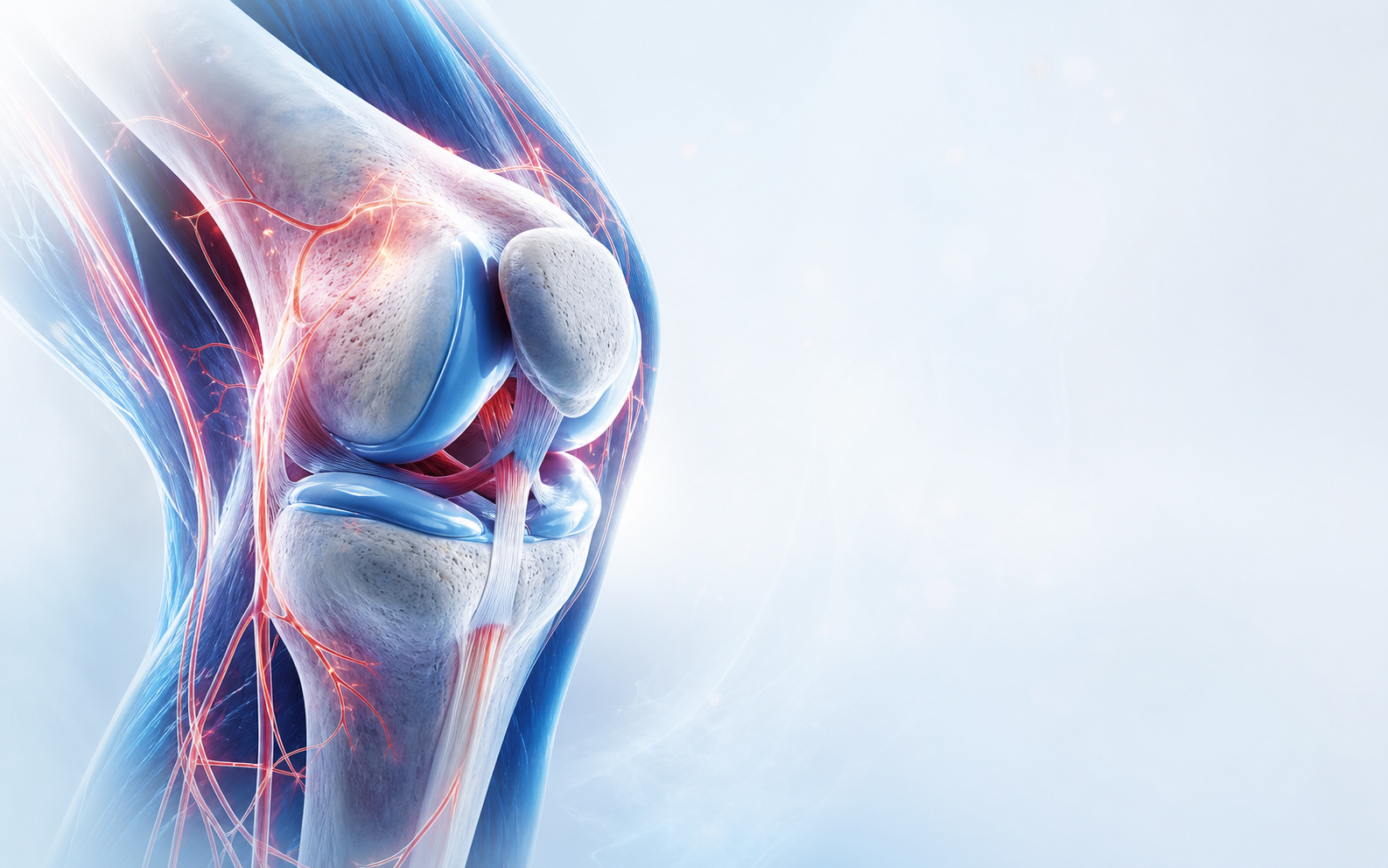
    knee injection suitability assessment and treatment planning
    Good care connects symptoms, examination, appropriate investigation and the patient’s functional goals.

    When to seek urgent care

    Seek urgent medical advice for a hot, rapidly swelling knee, fever or feeling unwell, severe worsening pain, a serious allergic reaction, a cold or numb limb, chest pain or breathlessness.

    Frequently asked questions

    Can I have a knee injection if I take blood thinners?

    Possibly, but the medicine, reason for taking it and procedure must be reviewed. Do not stop prescribed blood-thinning medicine without advice from the responsible clinician.

    Can I have a steroid knee injection if I have diabetes?

    It may be possible, but glucose can rise after steroid treatment. Your clinician should review control, risks and a monitoring plan.

    Does a knee injection cure arthritis?

    No. An injection may be discussed to help a defined symptom pattern, but it does not rebuild worn cartilage or remove the need to address strength, activity, weight, medicines and the underlying diagnosis.

    Does seeing an orthopaedic surgeon mean I will be offered an injection?

    No. The purpose of assessment is to identify the likely pain source and compare reasonable options. An injection is only one possible part of care and may not be suitable or available.

    Do I need an MRI before a knee injection?

    Not automatically. History, examination and often weight-bearing X-rays answer many osteoarthritis questions. MRI is selected when it is likely to clarify a different diagnosis or change management.

    Can an injection replace physiotherapy?

    Usually these are not simple substitutes. Exercise and rehabilitation address movement, strength and function; an injection may sometimes be considered to support a broader plan.

    Can I request a particular injection brand or type?

    You can ask about it, but the decision should follow diagnosis, evidence, health factors, medicines, previous response and local availability rather than advertising alone.

    When should I seek urgent help after an injection?

    Seek urgent medical advice for a hot, increasingly swollen joint, fever or feeling unwell, rapidly worsening pain, a serious allergic reaction, a cold or numb limb, chest pain or breathlessness.

    Conclusion

    Suitability depends on the diagnosis, intended injection, infection and bleeding risk, medicines, diabetes, previous response and the role of rehabilitation or surgery. A symptom or age alone cannot decide it. An individual consultation is needed to decide what is safe, useful and proportionate for you.

    Medical references

    1. Guy’s and St Thomas’ NHS — Steroid injections for joint and tendon pain
    2. NHS — Hydrocortisone injections
    3. NICE — Osteoarthritis: assessment and management
    4. AAOS — Management of Osteoarthritis of the Knee: plain-language summary
    5. NICE — Rationale for intra-articular injection recommendations

    Let’s work out the next step.

    Tell the clinic what happened, what hurts and which activities are now difficult. The team can help arrange an appointment with Dr Shaharil.

    WhatsApp for an appointment

    This article provides general education and does not replace individual medical assessment, diagnosis or treatment. Service and product availability, price and suitability must be confirmed directly with the clinic. Seek appropriate urgent care if symptoms are severe, progressive or concerning.
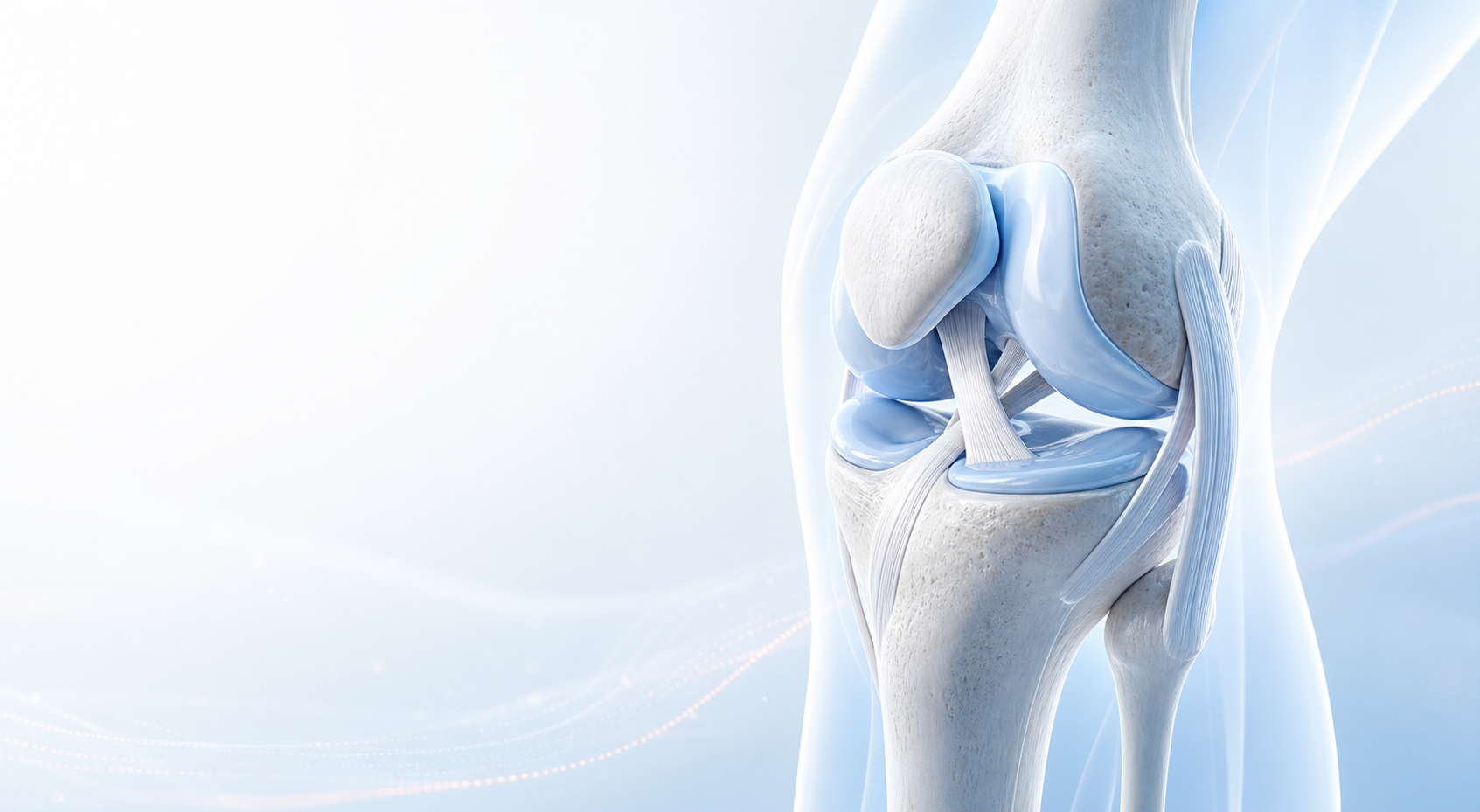
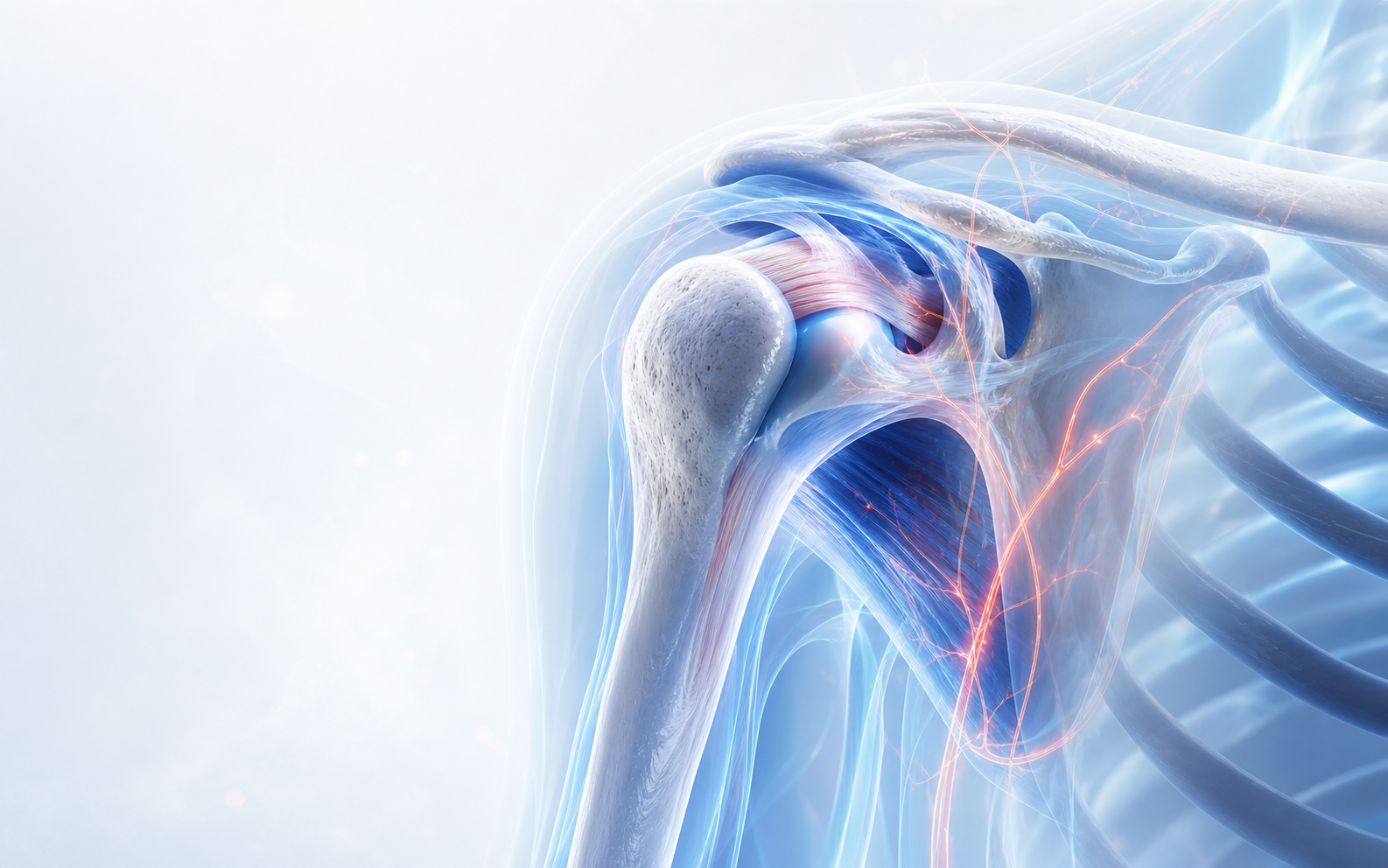
  • What to Expect Before and After a Knee Injection

    Written by Dr ShaharilConsultant Orthopaedic & Trauma Surgeon at CMH Specialist Hospital, Seremban. View Dr Shaharil’s profile.

    Patient guide

    Before a knee injection, expect diagnosis, medicine and risk checks plus an explanation of the intended target. Afterwards, follow the clinician’s activity advice and know which changes are expected and which require urgent review.

    before and after a knee injection — orthopaedic patient guide

    Short answer

    Before a knee injection, expect diagnosis, medicine and risk checks plus an explanation of the intended target. Afterwards, follow the clinician’s activity advice and know which changes are expected and which require urgent review.

    For the complete consultation pathway, conditions assessed and appointment information, visit knee injection consultation in Seremban.

    Before the appointment

    Prepare a concise timeline: where pain is felt, when swelling occurs, whether the knee locks or gives way, and what treatment has already been tried. Bring actual imaging when available, not only a report.

    Tell the clinician about allergies, diabetes, infection, pregnancy, blood-thinning medicines, immune suppression, recent vaccinations or surgery, and previous injections. Do not stop prescribed medicine unless the responsible clinician tells you to.

    The decision and consent conversation

    The clinician should explain the suspected diagnosis, why an injection is being considered, what medicine or preparation is proposed, where it will be placed, alternatives, material risks and the limits of expected benefit.

    This is also the point to confirm availability and cost. Consent is not simply permission for a needle; it is an informed choice based on what the procedure is intended to achieve.

    During the procedure

    The exact process varies with the target and whether landmark or image guidance is used. Skin is cleaned, the target is identified, and the injection is delivered using sterile technique. Some procedures include aspiration of fluid or local anaesthetic.

    Ask practical questions before starting: whether you may drive, how long to wait afterwards, what to do with regular medicines and who to contact if a concern develops.

    The first few days

    Soreness or a temporary flare can occur after some injections. Follow the written advice given for rest, exercise, wound care and medicines. Return to activity gradually according to the clinician’s instructions rather than testing the knee aggressively because it briefly feels numb or better.

    People with diabetes may need specific glucose-monitoring advice after a steroid injection. Anyone who becomes unwell or develops a hot, increasingly painful and swollen joint should seek urgent review.

    Record the response

    Track more than a single pain number. Note walking distance, stairs, sleep, swelling, use of pain medicine and the activity the injection was intended to support. Record when any change began and how long it lasted.

    At follow-up, this functional record helps decide whether the diagnosis and wider plan remain appropriate. Lack of response does not automatically justify repeating the procedure or moving directly to surgery.

    What current clinical guidance supports

    Current osteoarthritis guidance treats an injection as one option within a broader plan that includes education, therapeutic exercise, weight management where relevant and appropriate medicines. NICE limits its positive recommendation to considering intra-articular corticosteroid for short-term relief in selected circumstances, and advises against intra-articular hyaluronan for osteoarthritis. This is why the diagnosis, proposed preparation and realistic goal must be stated clearly.

    before and after a knee injection assessment and treatment planning
    Good care connects symptoms, examination, appropriate investigation and the patient’s functional goals.

    When to seek urgent care

    Seek urgent medical advice for a hot, rapidly swelling knee, fever or feeling unwell, severe worsening pain, a serious allergic reaction, a cold or numb limb, chest pain or breathlessness.

    Frequently asked questions

    Can I drive home after a knee injection?

    Advice varies with the medicine, local anaesthetic, procedure and your function. Confirm this with the treating clinic beforehand and arrange transport if advised.

    Is increased pain after an injection normal?

    Temporary soreness or flare can occur, but worsening heat, swelling, severe pain, fever or feeling unwell requires urgent medical advice.

    Does a knee injection cure arthritis?

    No. An injection may be discussed to help a defined symptom pattern, but it does not rebuild worn cartilage or remove the need to address strength, activity, weight, medicines and the underlying diagnosis.

    Does seeing an orthopaedic surgeon mean I will be offered an injection?

    No. The purpose of assessment is to identify the likely pain source and compare reasonable options. An injection is only one possible part of care and may not be suitable or available.

    Do I need an MRI before a knee injection?

    Not automatically. History, examination and often weight-bearing X-rays answer many osteoarthritis questions. MRI is selected when it is likely to clarify a different diagnosis or change management.

    Can an injection replace physiotherapy?

    Usually these are not simple substitutes. Exercise and rehabilitation address movement, strength and function; an injection may sometimes be considered to support a broader plan.

    Can I request a particular injection brand or type?

    You can ask about it, but the decision should follow diagnosis, evidence, health factors, medicines, previous response and local availability rather than advertising alone.

    When should I seek urgent help after an injection?

    Seek urgent medical advice for a hot, increasingly swollen joint, fever or feeling unwell, rapidly worsening pain, a serious allergic reaction, a cold or numb limb, chest pain or breathlessness.

    Conclusion

    Before a knee injection, expect diagnosis, medicine and risk checks plus an explanation of the intended target. Afterwards, follow the clinician’s activity advice and know which changes are expected and which require urgent review. An individual consultation is needed to decide what is safe, useful and proportionate for you.

    Medical references

    1. Guy’s and St Thomas’ NHS — Steroid injections for joint and tendon pain
    2. NHS — Hydrocortisone injections
    3. NICE — Osteoarthritis: assessment and management
    4. AAOS OrthoInfo — Knee Osteoarthritis
    5. NICE — Rationale for intra-articular injection recommendations

    Let’s work out the next step.

    Tell the clinic what happened, what hurts and which activities are now difficult. The team can help arrange an appointment with Dr Shaharil.

    WhatsApp for an appointment

    This article provides general education and does not replace individual medical assessment, diagnosis or treatment. Service and product availability, price and suitability must be confirmed directly with the clinic. Seek appropriate urgent care if symptoms are severe, progressive or concerning.
  • Knee Injection vs Physiotherapy vs Surgery

    Written by Dr ShaharilConsultant Orthopaedic & Trauma Surgeon at CMH Specialist Hospital, Seremban. View Dr Shaharil’s profile.

    Patient guide

    Injection, physiotherapy and surgery solve different problems. Rehabilitation develops capacity and function; an injection may offer selected symptom relief; surgery changes damaged structure when the clinical problem and its impact justify an operation.

    knee injection versus physiotherapy or surgery — orthopaedic patient guide

    Short answer

    Injection, physiotherapy and surgery solve different problems. Rehabilitation develops capacity and function; an injection may offer selected symptom relief; surgery changes damaged structure when the clinical problem and its impact justify an operation.

    For the complete consultation pathway, conditions assessed and appointment information, visit knee injection treatment options in Seremban.

    Why this is not a three-way popularity contest

    These options are often compared as though one must defeat the others. In practice, they can occupy different steps or serve different goals. A treatment is only useful when it matches the diagnosis and the decision the patient is trying to make.

    The comparison should include pain pattern, stiffness, deformity, instability, locking, walking tolerance, work, sport, earlier treatment, general health and imaging that is relevant to management.

    What physiotherapy is trying to change

    A rehabilitation plan can address strength, joint movement, balance, confidence, load tolerance and the way daily or sporting tasks are performed. It also gives measurable milestones rather than relying only on a pain score.

    Physiotherapy cannot reverse every structural change, but it can remain important before, instead of or after other treatment. A poor response should trigger review of diagnosis, dose, adherence and goals—not an automatic declaration that all non-surgical care has failed.

    Where an injection may fit

    A selected injection may be discussed when the likely pain generator, evidence and patient factors align. For osteoarthritis, NICE frames corticosteroid injection as short-term support when other pharmacological options are ineffective or unsuitable, or to support exercise.

    An injection should come with a follow-up question: what function should improve, over what review period, and what will be done if the response is absent or temporary?

    When surgery enters the discussion

    Surgery is considered when a defined structural problem, persistent symptoms, functional loss and reasonable alternatives fit together. The operation may range from arthroscopic treatment for selected pathology to realignment or joint replacement; these are not interchangeable.

    The decision includes potential benefit, limitations, rehabilitation, work and family demands, medical risk and what happens if surgery is deferred. A scan alone should not make the decision.

    Build a staged plan

    A staged plan names the current goal, the treatment being tried, the metric for success and the review point. It also identifies warning signs or deterioration that should bring reassessment sooner.

    For many people the pathway is not ‘physio failed, injection failed, surgery next.’ It is a repeated process of confirming the problem, matching care to it and deciding proportionately.

    What current clinical guidance supports

    Current osteoarthritis guidance treats an injection as one option within a broader plan that includes education, therapeutic exercise, weight management where relevant and appropriate medicines. NICE limits its positive recommendation to considering intra-articular corticosteroid for short-term relief in selected circumstances, and advises against intra-articular hyaluronan for osteoarthritis. This is why the diagnosis, proposed preparation and realistic goal must be stated clearly.

    knee injection versus physiotherapy or surgery assessment and treatment planning
    Good care connects symptoms, examination, appropriate investigation and the patient’s functional goals.

    When to seek urgent care

    Seek urgent medical advice for a hot, rapidly swelling knee, fever or feeling unwell, severe worsening pain, a serious allergic reaction, a cold or numb limb, chest pain or breathlessness.

    Frequently asked questions

    Should I try physiotherapy before a knee injection?

    Often rehabilitation is central, but the sequence depends on diagnosis, severity, previous care and whether pain is preventing useful exercise. Individual assessment is needed.

    Does temporary relief from an injection prove I need surgery?

    No. A response may provide information, but surgery depends on the full clinical and imaging picture, functional impact, alternatives and informed preference.

    Does a knee injection cure arthritis?

    No. An injection may be discussed to help a defined symptom pattern, but it does not rebuild worn cartilage or remove the need to address strength, activity, weight, medicines and the underlying diagnosis.

    Does seeing an orthopaedic surgeon mean I will be offered an injection?

    No. The purpose of assessment is to identify the likely pain source and compare reasonable options. An injection is only one possible part of care and may not be suitable or available.

    Do I need an MRI before a knee injection?

    Not automatically. History, examination and often weight-bearing X-rays answer many osteoarthritis questions. MRI is selected when it is likely to clarify a different diagnosis or change management.

    Can an injection replace physiotherapy?

    Usually these are not simple substitutes. Exercise and rehabilitation address movement, strength and function; an injection may sometimes be considered to support a broader plan.

    Can I request a particular injection brand or type?

    You can ask about it, but the decision should follow diagnosis, evidence, health factors, medicines, previous response and local availability rather than advertising alone.

    When should I seek urgent help after an injection?

    Seek urgent medical advice for a hot, increasingly swollen joint, fever or feeling unwell, rapidly worsening pain, a serious allergic reaction, a cold or numb limb, chest pain or breathlessness.

    Conclusion

    Injection, physiotherapy and surgery solve different problems. Rehabilitation develops capacity and function; an injection may offer selected symptom relief; surgery changes damaged structure when the clinical problem and its impact justify an operation. An individual consultation is needed to decide what is safe, useful and proportionate for you.

    Medical references

    1. NICE — Osteoarthritis: assessment and management
    2. NICE — Rationale for intra-articular injection recommendations
    3. AAOS — Management of Osteoarthritis of the Knee: plain-language summary
    4. AAOS OrthoInfo — Knee Osteoarthritis
    5. Guy’s and St Thomas’ NHS — Steroid injections for joint and tendon pain

    Let’s work out the next step.

    Tell the clinic what happened, what hurts and which activities are now difficult. The team can help arrange an appointment with Dr Shaharil.

    WhatsApp for an appointment

    This article provides general education and does not replace individual medical assessment, diagnosis or treatment. Service and product availability, price and suitability must be confirmed directly with the clinic. Seek appropriate urgent care if symptoms are severe, progressive or concerning.

  • Types of Knee Injections: What Are the Differences?

    Written by Dr ShaharilConsultant Orthopaedic & Trauma Surgeon at CMH Specialist Hospital, Seremban. View Dr Shaharil’s profile.

    Patient guide

    Knee injections are not one interchangeable treatment. Corticosteroid, hyaluronic-acid and biological preparations have different proposed roles, evidence, limitations and availability. The correct discussion begins with the diagnosis and the goal—not a product name.

    types of knee injections — orthopaedic patient guide

    Short answer

    Knee injections are not one interchangeable treatment. Corticosteroid, hyaluronic-acid and biological preparations have different proposed roles, evidence, limitations and availability. The correct discussion begins with the diagnosis and the goal—not a product name.

    For the complete consultation pathway, conditions assessed and appointment information, visit knee injection assessment and treatment in Seremban.

    Start with the diagnosis, not the syringe

    Pain labelled as ‘knee arthritis’ can still arise from different compartments, a meniscus problem, patellofemoral irritation, inflammation, injury or referred pain. An injection placed into a joint will not address every one of these patterns.

    A consultation connects symptom location, swelling, stiffness, instability, locking, examination and useful imaging. That prevents an advertised injection from becoming a shortcut around diagnosis.

    Corticosteroid injections

    A corticosteroid is an anti-inflammatory medicine placed into or around a selected structure. NICE says an intra-articular corticosteroid may be considered for osteoarthritis when other pharmacological options are ineffective or unsuitable, or to support therapeutic exercise, with an explanation that benefit is short term.

    Possible adverse effects, diabetes, infection, blood-thinning medicine, recent procedures and the frequency of earlier injections all matter. The exact advice must come from the clinician performing the procedure.

    Hyaluronic-acid or viscosupplement injections

    Hyaluronic-acid products aim to alter the joint-fluid environment. Recommendations differ between settings and products, but NICE advises not to offer intra-articular hyaluronan for osteoarthritis, while AAOS also does not recommend routine use for knee osteoarthritis.

    That difference between marketing and guideline recommendations is why a patient should ask what diagnosis, evidence and expected goal support a proposed injection—not assume that ‘gel’ means cartilage restoration.

    PRP and other biological injections

    Platelet-rich plasma uses a preparation derived from the patient’s own blood. Research continues, and evidence, preparation methods and recommendations are not uniform. Stem-cell claims require particular caution; experimental language should not be mistaken for established routine care.

    This page does not state that PRP, stem-cell treatment or every named injection is offered by Dr Shaharil. Availability and suitability must be confirmed directly with the clinic after assessment.

    How the options are compared

    A useful comparison covers the suspected pain source, intended outcome, strength of evidence, likely time horizon, risks, cost, follow-up and how the injection fits with rehabilitation or a surgical decision.

    The most responsible answer may be to continue non-surgical care, investigate another diagnosis, use a selected injection as one part of a plan, or discuss surgery when symptoms and joint damage justify that conversation.

    What current clinical guidance supports

    Current osteoarthritis guidance treats an injection as one option within a broader plan that includes education, therapeutic exercise, weight management where relevant and appropriate medicines. NICE limits its positive recommendation to considering intra-articular corticosteroid for short-term relief in selected circumstances, and advises against intra-articular hyaluronan for osteoarthritis. This is why the diagnosis, proposed preparation and realistic goal must be stated clearly.

    types of knee injections assessment and treatment planning
    Good care connects symptoms, examination, appropriate investigation and the patient’s functional goals.

    When to seek urgent care

    Seek urgent medical advice for a hot, rapidly swelling knee, fever or feeling unwell, severe worsening pain, a serious allergic reaction, a cold or numb limb, chest pain or breathlessness.

    Frequently asked questions

    Which knee injection is best?

    There is no universal ‘best’ injection. The answer depends on diagnosis, health, previous care, goals, evidence and availability. A named product should not be chosen from price or popularity alone.

    Are all injection types available at Dr Shaharil’s clinic?

    This article is educational and does not confirm stock or service availability. Ask the clinic directly after describing your condition and arrange an assessment where appropriate.

    Does a knee injection cure arthritis?

    No. An injection may be discussed to help a defined symptom pattern, but it does not rebuild worn cartilage or remove the need to address strength, activity, weight, medicines and the underlying diagnosis.

    Does seeing an orthopaedic surgeon mean I will be offered an injection?

    No. The purpose of assessment is to identify the likely pain source and compare reasonable options. An injection is only one possible part of care and may not be suitable or available.

    Do I need an MRI before a knee injection?

    Not automatically. History, examination and often weight-bearing X-rays answer many osteoarthritis questions. MRI is selected when it is likely to clarify a different diagnosis or change management.

    Can an injection replace physiotherapy?

    Usually these are not simple substitutes. Exercise and rehabilitation address movement, strength and function; an injection may sometimes be considered to support a broader plan.

    Can I request a particular injection brand or type?

    You can ask about it, but the decision should follow diagnosis, evidence, health factors, medicines, previous response and local availability rather than advertising alone.

    When should I seek urgent help after an injection?

    Seek urgent medical advice for a hot, increasingly swollen joint, fever or feeling unwell, rapidly worsening pain, a serious allergic reaction, a cold or numb limb, chest pain or breathlessness.

    Conclusion

    Knee injections are not one interchangeable treatment. Corticosteroid, hyaluronic-acid and biological preparations have different proposed roles, evidence, limitations and availability. The correct discussion begins with the diagnosis and the goal—not a product name. An individual consultation is needed to decide what is safe, useful and proportionate for you.

    Medical references

    1. NICE — Osteoarthritis: assessment and management
    2. NICE — Rationale for intra-articular injection recommendations
    3. AAOS — Management of Osteoarthritis of the Knee: plain-language summary
    4. AAOS OrthoInfo — Knee Osteoarthritis
    5. NHS — Hydrocortisone injections

    Let’s work out the next step.

    Tell the clinic what happened, what hurts and which activities are now difficult. The team can help arrange an appointment with Dr Shaharil.

    WhatsApp for an appointment

    This article provides general education and does not replace individual medical assessment, diagnosis or treatment. Service and product availability, price and suitability must be confirmed directly with the clinic. Seek appropriate urgent care if symptoms are severe, progressive or concerning.

  • Return-to-Sport Testing: What Does It Assess?

    Return-to-Sport Testing: What Does It Assess?

    Written by Dr ShaharilConsultant Orthopaedic & Trauma Surgeon at CMH Specialist Hospital, Seremban. View Dr Shaharil’s profile.

    Patient guide

    Return-to-sport testing examines movement, strength, power, balance, confidence and sport-specific tolerance alongside tissue healing and symptoms. Passing time alone is not the same as being prepared for unpredictable competition demands.

    Return-to-Sport Testing: What Does It Assess?

    Short answer

    Return-to-sport testing examines movement, strength, power, balance, confidence and sport-specific tolerance alongside tissue healing and symptoms. Passing time alone is not the same as being prepared for unpredictable competition demands.

    This guide is provided by Dr Shaharil Orthopedic Specialist Clinic Seremban to help patients understand assessment and treatment choices before an individual consultation.

    For the complete specialist pathway, conditions assessed and appointment information, read about sports injury specialist assessment in Seremban.

    Start with the pattern that is actually happening

    Return-to-sport testing examines movement, strength, power, balance, confidence and sport-specific tolerance alongside tissue healing and symptoms. Passing time alone is not the same as being prepared for unpredictable competition demands. Ask which tests reflect your position and sport and how fatigue or the uninjured side affects interpretation.

    A useful account also states what remains possible, what has become difficult and whether the problem is improving, stable or progressively more restrictive. Function turns a vague symptom into a clinical question.

    Why the same symptom can lead to different diagnoses

    Sports injuries are shaped by the tissue involved, mechanism, training exposure and the movements required by the activity. Acute trauma, overuse and recurrence need different questions even when pain occurs in the same area.

    For return-to-sport testing, the timeline, location, load response and associated features matter more than a popular label. Similar-looking problems can need different protection, rehabilitation, imaging or follow-up.

    What to record before the appointment

    Ask which tests reflect your position and sport and how fatigue or the uninjured side affects interpretation. Add previous injuries, operations, medicines, new training or work demands and treatment already tried.

    A short dated record is usually more useful than a long pain diary. Include swelling, stiffness, locking, instability, weakness, numbness, night symptoms and the effect on walking, sleep, work, driving or sport.

    What a focused clinical assessment may include

    Assessment connects local tenderness, swelling, movement, stability and strength with running, landing, cutting, throwing or lifting demands. Previous injury and the complete training timeline can reveal why symptoms recur.

    No single manoeuvre gives a perfect answer. Findings are interpreted together and checked against the movement or task that reproduces the problem, while urgent non-orthopaedic causes are considered when the history demands it.

    When imaging adds useful information

    Imaging is chosen when fracture, significant structural injury or another defined problem is suspected and the result could alter protection, rehabilitation or surgery. A scan cannot replace functional testing for return to sport.

    Ask which question the test is meant to answer and how each result would change the next step. The report and actual images should be matched to the side, location, timing and examination rather than treated in isolation.

    How a proportionate care pathway is chosen

    Management may progress from protection and load adjustment to mobility, strength, control and sport-specific exposure. Surgery is reserved for selected diagnoses; rehabilitation remains necessary whichever pathway is chosen.

    The least invasive suitable option is often a sensible starting point when it is safe. That does not mean symptoms are dismissed: active care should have a goal, a dose, a time frame and criteria for progression or review.

    What the decision should include

    For return-to-sport testing, shared decision making should cover expected benefit, important harms, alternatives, practical demands and what may happen if care is delayed or declined.

    Tell the clinician which outcome matters most and which trade-off worries you. Work, caregiving, transport, finances, rehabilitation access and activity goals can change the most appropriate timing without changing the diagnosis.

    Limitations that should remain visible

    Being able to complete one session or having no pain at rest does not prove readiness for competition. Risk can be reduced with preparation and staged exposure, but it cannot be reduced to zero.

    A responsible explanation separates what is known from what remains uncertain. It should not invent a guaranteed recovery date, imply that one option is always superior or turn a structural finding into a promise of benefit.

    A practical two-week observation plan

    Track return-to-sport testing during ordinary life for up to two weeks if it is safe to wait. Record the trigger, location, duration, swelling or instability, recovery by the next morning and any change in function.

    Stop the observation period and seek earlier care if red flags appear or function deteriorates quickly. Otherwise, bring the concise record to the appointment so the review can focus on repeatable patterns rather than one unusually good or bad day.

    Plan the review point before leaving

    Confirm what to do now, what activity is safe, who will explain results, how improvement will be measured and the date or trigger for reassessment. A monitored plan is different from being told simply to wait.

    If progress stalls, review may reconsider the diagnosis, exercise dose, adherence, loading, imaging question or need for another opinion. Reassessment is part of careful care and does not automatically mean that surgery is the next step.

    What current clinical guidance supports

    NHS — Sprains and strains supports matching clinical findings, function and appropriate investigation rather than making a treatment decision from one symptom or image alone.

    AAOS OrthoInfo — ACL Injuries supports matching clinical findings, function and appropriate investigation rather than making a treatment decision from one symptom or image alone.

    AAOS OrthoInfo — Meniscus Tears supports matching clinical findings, function and appropriate investigation rather than making a treatment decision from one symptom or image alone.

    return-to-sport testing — clinical orthopaedic illustration
    Assessment connects symptoms, examination and appropriate imaging rather than relying on one sign alone.
    Dr Shaharil and orthopaedic clinical team in Seremban
    A clear plan explains options, limitations, follow-up and urgent warning signs.

    When to seek urgent care

    Seek urgent care after major trauma for deformity, inability to bear weight, a locked joint, severe swelling, a cold or numb limb, head injury, chest pain or breathlessness.

    Frequently asked questions

    Can return-to-sport testing be diagnosed from this article alone?

    No. Diagnosis requires an individual history and examination; imaging is selected when it can answer a defined question or change management.

    Do I need an MRI?

    Not automatically. The most useful test depends on the suspected diagnosis, examination, earlier imaging and whether the result could alter care.

    Does seeing an orthopaedic surgeon mean I need surgery?

    No. Orthopaedic assessment includes diagnosis, non-surgical care, monitoring and referral as well as surgery for suitable indications.

    Should I stop all activity?

    Avoid unsafe or sharply aggravating movement, but complete rest is not always helpful. The safe level depends on diagnosis, severity and stage of healing.

    How long should recovery take?

    There is no universal deadline. Tissue, severity, health, treatment and functional demands affect progress; agree on milestones and a review point.

    What should I bring to the appointment?

    Bring a medicine and allergy list, actual images and reports, relevant treatment notes and a concise symptom or injury timeline.

    Can I take pain medicine?

    Ask a doctor or pharmacist what is safe, especially with kidney, stomach, liver or heart conditions, pregnancy, blood thinners or other medicines.

    When should I seek help sooner?

    Seek urgent care after major trauma for deformity, inability to bear weight, a locked joint, severe swelling, a cold or numb limb, head injury, chest pain or breathlessness.

    Conclusion

    Return-to-sport testing examines movement, strength, power, balance, confidence and sport-specific tolerance alongside tissue healing and symptoms. Passing time alone is not the same as being prepared for unpredictable competition demands. The safest next step is a proportionate assessment that connects the problem with your health, goals and the evidence, together with a clear review plan.

    Medical references

    1. NHS — Sprains and strains
    2. AAOS OrthoInfo — ACL Injuries
    3. AAOS OrthoInfo — Meniscus Tears
    4. AAOS OrthoInfo — Stress Fractures
    5. Ministry of Health Malaysia — Physical Activity Guidelines

    Let’s work out what comes next.

    Tell the clinic what happened, what hurts and which movement has become difficult. The team can help arrange an appointment with Dr Shaharil.

    WhatsApp for an appointment

    This information is general and does not replace an individual medical assessment, diagnosis or treatment. Seek appropriate care promptly if symptoms are severe, urgent or worsening.

  • Repeated Sports Injuries: Why Do They Keep Happening?

    Repeated Sports Injuries: Why Do They Keep Happening?

    Written by Dr ShaharilConsultant Orthopaedic & Trauma Surgeon at CMH Specialist Hospital, Seremban. View Dr Shaharil’s profile.

    Patient guide

    Repeated injuries may reflect incomplete rehabilitation, rapid load changes, technique, equipment, sleep, recovery, strength, mobility or a diagnosis that has not been fully addressed. Prevention begins by identifying the actual pattern.

    Repeated Sports Injuries: Why Do They Keep Happening?

    Short answer

    Repeated injuries may reflect incomplete rehabilitation, rapid load changes, technique, equipment, sleep, recovery, strength, mobility or a diagnosis that has not been fully addressed. Prevention begins by identifying the actual pattern.

    This guide is provided by Dr Shaharil Orthopedic Specialist Clinic Seremban to help patients understand assessment and treatment choices before an individual consultation.

    For the complete specialist pathway, conditions assessed and appointment information, read about sports injury specialist assessment in Seremban.

    Start with the pattern that is actually happening

    Repeated injuries may reflect incomplete rehabilitation, rapid load changes, technique, equipment, sleep, recovery, strength, mobility or a diagnosis that has not been fully addressed. Prevention begins by identifying the actual pattern. Create a timeline of training volume, surfaces, footwear, symptoms and return-to-play attempts.

    A useful account also states what remains possible, what has become difficult and whether the problem is improving, stable or progressively more restrictive. Function turns a vague symptom into a clinical question.

    Why the same symptom can lead to different diagnoses

    Sports injuries are shaped by the tissue involved, mechanism, training exposure and the movements required by the activity. Acute trauma, overuse and recurrence need different questions even when pain occurs in the same area.

    For recurrent sports injuries, the timeline, location, load response and associated features matter more than a popular label. Similar-looking problems can need different protection, rehabilitation, imaging or follow-up.

    What to record before the appointment

    Create a timeline of training volume, surfaces, footwear, symptoms and return-to-play attempts. Add previous injuries, operations, medicines, new training or work demands and treatment already tried.

    A short dated record is usually more useful than a long pain diary. Include swelling, stiffness, locking, instability, weakness, numbness, night symptoms and the effect on walking, sleep, work, driving or sport.

    What a focused clinical assessment may include

    Assessment connects local tenderness, swelling, movement, stability and strength with running, landing, cutting, throwing or lifting demands. Previous injury and the complete training timeline can reveal why symptoms recur.

    No single manoeuvre gives a perfect answer. Findings are interpreted together and checked against the movement or task that reproduces the problem, while urgent non-orthopaedic causes are considered when the history demands it.

    When imaging adds useful information

    Imaging is chosen when fracture, significant structural injury or another defined problem is suspected and the result could alter protection, rehabilitation or surgery. A scan cannot replace functional testing for return to sport.

    Ask which question the test is meant to answer and how each result would change the next step. The report and actual images should be matched to the side, location, timing and examination rather than treated in isolation.

    How a proportionate care pathway is chosen

    Management may progress from protection and load adjustment to mobility, strength, control and sport-specific exposure. Surgery is reserved for selected diagnoses; rehabilitation remains necessary whichever pathway is chosen.

    The least invasive suitable option is often a sensible starting point when it is safe. That does not mean symptoms are dismissed: active care should have a goal, a dose, a time frame and criteria for progression or review.

    What the decision should include

    For recurrent sports injuries, shared decision making should cover expected benefit, important harms, alternatives, practical demands and what may happen if care is delayed or declined.

    Tell the clinician which outcome matters most and which trade-off worries you. Work, caregiving, transport, finances, rehabilitation access and activity goals can change the most appropriate timing without changing the diagnosis.

    Limitations that should remain visible

    Being able to complete one session or having no pain at rest does not prove readiness for competition. Risk can be reduced with preparation and staged exposure, but it cannot be reduced to zero.

    A responsible explanation separates what is known from what remains uncertain. It should not invent a guaranteed recovery date, imply that one option is always superior or turn a structural finding into a promise of benefit.

    A practical two-week observation plan

    Track recurrent sports injuries during ordinary life for up to two weeks if it is safe to wait. Record the trigger, location, duration, swelling or instability, recovery by the next morning and any change in function.

    Stop the observation period and seek earlier care if red flags appear or function deteriorates quickly. Otherwise, bring the concise record to the appointment so the review can focus on repeatable patterns rather than one unusually good or bad day.

    Plan the review point before leaving

    Confirm what to do now, what activity is safe, who will explain results, how improvement will be measured and the date or trigger for reassessment. A monitored plan is different from being told simply to wait.

    If progress stalls, review may reconsider the diagnosis, exercise dose, adherence, loading, imaging question or need for another opinion. Reassessment is part of careful care and does not automatically mean that surgery is the next step.

    What current clinical guidance supports

    NHS — Sprains and strains supports matching clinical findings, function and appropriate investigation rather than making a treatment decision from one symptom or image alone.

    AAOS OrthoInfo — ACL Injuries supports matching clinical findings, function and appropriate investigation rather than making a treatment decision from one symptom or image alone.

    AAOS OrthoInfo — Meniscus Tears supports matching clinical findings, function and appropriate investigation rather than making a treatment decision from one symptom or image alone.

    recurrent sports injuries — clinical orthopaedic illustration
    Assessment connects symptoms, examination and appropriate imaging rather than relying on one sign alone.
    Dr Shaharil and orthopaedic clinical team in Seremban
    A clear plan explains options, limitations, follow-up and urgent warning signs.

    When to seek urgent care

    Seek urgent care after major trauma for deformity, inability to bear weight, a locked joint, severe swelling, a cold or numb limb, head injury, chest pain or breathlessness.

    Frequently asked questions

    Can recurrent sports injuries be diagnosed from this article alone?

    No. Diagnosis requires an individual history and examination; imaging is selected when it can answer a defined question or change management.

    Do I need an MRI?

    Not automatically. The most useful test depends on the suspected diagnosis, examination, earlier imaging and whether the result could alter care.

    Does seeing an orthopaedic surgeon mean I need surgery?

    No. Orthopaedic assessment includes diagnosis, non-surgical care, monitoring and referral as well as surgery for suitable indications.

    Should I stop all activity?

    Avoid unsafe or sharply aggravating movement, but complete rest is not always helpful. The safe level depends on diagnosis, severity and stage of healing.

    How long should recovery take?

    There is no universal deadline. Tissue, severity, health, treatment and functional demands affect progress; agree on milestones and a review point.

    What should I bring to the appointment?

    Bring a medicine and allergy list, actual images and reports, relevant treatment notes and a concise symptom or injury timeline.

    Can I take pain medicine?

    Ask a doctor or pharmacist what is safe, especially with kidney, stomach, liver or heart conditions, pregnancy, blood thinners or other medicines.

    When should I seek help sooner?

    Seek urgent care after major trauma for deformity, inability to bear weight, a locked joint, severe swelling, a cold or numb limb, head injury, chest pain or breathlessness.

    Conclusion

    Repeated injuries may reflect incomplete rehabilitation, rapid load changes, technique, equipment, sleep, recovery, strength, mobility or a diagnosis that has not been fully addressed. Prevention begins by identifying the actual pattern. The safest next step is a proportionate assessment that connects the problem with your health, goals and the evidence, together with a clear review plan.

    Medical references

    1. NHS — Sprains and strains
    2. AAOS OrthoInfo — ACL Injuries
    3. AAOS OrthoInfo — Meniscus Tears
    4. AAOS OrthoInfo — Stress Fractures
    5. Ministry of Health Malaysia — Physical Activity Guidelines

    Let’s work out what comes next.

    Tell the clinic what happened, what hurts and which movement has become difficult. The team can help arrange an appointment with Dr Shaharil.

    WhatsApp for an appointment

    This information is general and does not replace an individual medical assessment, diagnosis or treatment. Seek appropriate care promptly if symptoms are severe, urgent or worsening.

  • Returning to Exercise After a Sports Injury

    Returning to Exercise After a Sports Injury

    Written by Dr ShaharilConsultant Orthopaedic & Trauma Surgeon at CMH Specialist Hospital, Seremban. View Dr Shaharil’s profile.

    Patient guide

    Return to exercise should be based on healing, pain, movement, strength, control and sport-specific capacity rather than time alone. Progress from simple loading to demanding skills without skipping the problem that caused the injury.

    Returning to Exercise After a Sports Injury — medically relevant orthopaedic illustration

    Short answer

    Return to exercise should be based on healing, pain, movement, strength, control and sport-specific capacity rather than time alone. Progress from simple loading to demanding skills without skipping the problem that caused the injury.

    This guide is provided by Dr Shaharil Orthopedic Specialist Clinic Seremban to help patients understand the structured evaluation and decision process before an individual consultation.

    Key takeaways

    Main pointReturn to exercise should be based on healing, pain, movement, strength, control and sport-specific capacity rather than time alone. Progress from simple loading to demanding skills without skipping the problem that caused the injury.
    Useful cluesTrack swelling and confidence during and after each progression.
    Structured evaluationFunctional structured evaluation may compare sides and test the movements required by the activity.
    Possible pathwayA staged plan includes recovery days and clear criteria for advancement or regression.
    Important limitAbsence of pain during one session does not prove readiness for competition.

    For the complete specialist pathway, symptom experience assessed and appointment information, read about sports injury rehabilitation in Seremban.

    Define the injury or procedure question clearly

    Return to exercise should be based on healing, pain, movement, strength, control and sport-specific capacity rather than time alone. Progress from simple loading to demanding skills without skipping the problem that caused the injury. Track swelling and confidence during and after each progression.

    Words such as tear, keyhole, instability and sports injury cover very different problems. The useful starting point is the mechanism, exact symptom, functional loss and what has already been tried.

    Match symptom experience with examination

    Functional structured evaluation may compare sides and test the movements required by the activity. Associated ligament, cartilage, bone, tendon and kneecap problems may change clinical strategy.

    Clinical tests have limitations. They are interpreted together and compared with the movements that matter for work, exercise and sport.

    Use imaging for a reason

    X-rays can show bone, alignment and arthritis. MRI may help with selected soft-tissue questions, but findings such as degenerative meniscus change can occur without being the main cause of pain.

    Appropriate scans is most useful when it confirms a suspected treatable problem or changes rehabilitation, surgical planning or the need for another pathway.

    Start with the least invasive suitable pathway

    A staged plan includes recovery days and clear criteria for advancement or regression. A structured rehabilitation trial should have clear goals, appropriate progression and a review point.

    Surgery is not automatically the faster choice. Recovery after repair, reconstruction or arthroscopy still requires tissue healing and rehabilitation, and restrictions depend on what was done.

    When a procedure may be reasonable

    A procedure is considered when there is a defined diagnosis, symptom experience and function match it, reasonable alternatives have been discussed and expected benefit outweighs risk.

    For meniscus problems, tear pattern, blood supply, age of injury, tissue quality and associated damage can affect whether repair, trimming or non-surgical care is discussed.

    Plan return to activity with criteria

    Return is safer when movement, strength, balance, confidence and sport-specific control have recovered adequately. Time is one input, not the only clearance test.

    Progress training load gradually and monitor the response during the following day. Recurrent swelling, instability or loss of movement means clinical strategy needs reassessment rather than harder training.

    Keep expectations and limitations visible

    Absence of pain during one session does not prove readiness for competition. Small incisions do not remove anaesthetic, infection, blood-clot, stiffness or persistent-symptom risks.

    The management decision should explain what the chosen planned care cannot fix. Arthritis, referred pain and deconditioning may require separate management even when a focal injury is treated.

    Know when to seek help

    The management goal of this process is to connect the clinical findings with the movement, work, family responsibilities or activity that matters to you. A clinical strategy should state what to do now, how long to try it and what would trigger review.

    After an injury or procedure, worsening pain, a locked knee, fever, wound drainage, calf swelling, chest pain, breathlessness or new numbness requires timely medical advice.

    Separate return to participation from full performance

    Returning to modified training, completing a full practice and competing at previous intensity are different milestones. For return to exercise after injury, define the cutting, landing, running, kneeling, lifting or endurance demands that the knee must tolerate, then rebuild them in a controlled order.

    Monitor the immediate response and the next twenty-four hours. Pain, swelling, loss of movement, instability or reduced control after a progression may mean the load advanced too quickly or the diagnosis needs review. Confidence matters, but confidence should grow alongside strength, movement quality and tissue healing rather than replace them.

    How to use the consultation well

    Bring the questions that would change your decision, not only a request for a scan or procedure. Ask what diagnosis is most likely, what else is being considered, which finding supports clinical strategy and what improvement would count as meaningful. For return to exercise after injury, it is also helpful to ask what you can safely continue while the structured evaluation or planned care is in progress.

    Before leaving, confirm the review point and the safety net. It is sensible to know who will explain any test result, how long the agreed planned care deserves, which activities should be modified and which new symptom experience need earlier contact. Write clinical strategy down or ask for it in a form you can understand; uncertainty is easier to manage when the next decision is explicit.

    What a responsible plan should contain

    A structured evaluation-led plan for return to exercise after injury should name the working diagnosis, acknowledge important uncertainty and connect each recommendation with a purpose. It should explain expected benefit, relevant harms, alternatives, practical demands and what may happen if planned care is delayed or declined. When a test is suggested, ask which question it is meant to answer and how each possible result would change the next step.

    Clinical strategy should also respect individual health, work, caregiving, financial and activity circumstances without turning those factors into guarantees. Confirm the review date, the measures of progress and the warning signs that override the routine timeline. Clear safety-netting protects patients from waiting too long when the pattern changes, while a defined follow-up prevents unnecessary escalation when recovery is proceeding appropriately.

    What clinical guidance supports

    The NHS — Sprains and strains describes arthroscopy as a camera-based procedure for selected joint problems rather than a diagnosis in itself.

    The NHS — Knee pain and AAOS OrthoInfo — Anterior Cruciate Ligament Injuries show why tear pattern, symptom experience, repairability and patient factors matter in meniscus decisions.

    AAOS OrthoInfo — Meniscus Tears advises against arthroscopic lavage or debridement for osteoarthritis pain alone, while AAOS OrthoInfo — Knee Conditioning Program supports progressive conditioning when appropriate.

    Clinical orthopaedic illustration relevant to return to exercise after injury
    Structured evaluation connects symptom experience, examination and appropriate imaging rather than relying on one sign alone.
    Dr Shaharil and orthopaedic clinical team in Seremban
    A clear plan should explain the likely diagnosis, alternatives, limitations, follow-up and urgent warning signs.

    When to seek urgent care

    New instability, swelling, sharp pain or neurological symptom experience should prompt reassessment.

    Frequently asked questions

    Can return to exercise after injury be diagnosed from this symptom alone?

    No. Absence of pain during one session does not prove readiness for competition. A focused history and examination are needed before choosing planned care.

    What should make me seek help sooner?

    New instability, swelling, sharp pain or neurological symptom experience should prompt reassessment.

    How long should improvement take?

    There is no universal deadline. The diagnosis, severity, health, planned care and functional demands affect progress; agree on a review point rather than waiting indefinitely.

    Do I need an MRI?

    Not automatically. Appropriate scans depends on the history, examination, previous results and whether the answer could change planned care.

    Should I stop all activity?

    Avoid unsafe or sharply aggravating movement, but complete rest is not always helpful. The safe level depends on the diagnosis and severity.

    Can I take pain medicine?

    Ask a doctor or pharmacist what is safe for you, especially with kidney, stomach, liver or heart conditions, pregnancy, blood thinners or other medicines.

    Does seeing an orthopaedic surgeon mean surgery?

    No. Orthopaedic structured evaluation includes diagnosis, non-surgical planning, monitoring and referral as well as surgery when appropriate.

    What should I bring to the appointment?

    Bring a medicine and allergy list, existing images and reports, relevant planned care notes and a short timeline of symptom experience or injury.

    Conclusion

    Return to exercise should be based on healing, pain, movement, strength, control and sport-specific capacity rather than time alone. Progress from simple loading to demanding skills without skipping the problem that caused the injury. The safest next step is a proportionate structured evaluation that connects the symptom or injury with your health, goals and the evidence. A useful plan should also say what would prompt earlier review.

    Medical references

    1. NHS — Sprains and strains
    2. NHS — Knee pain
    3. AAOS OrthoInfo — Anterior Cruciate Ligament Injuries
    4. AAOS OrthoInfo — Meniscus Tears
    5. AAOS OrthoInfo — Knee Conditioning Program

    Let’s work out what comes next.

    Tell the clinic what happened, what hurts and which movement has become difficult. The team can help arrange an appointment with Dr Shaharil.

    WhatsApp for an appointment

    This information is general and does not replace an individual medical structured evaluation, diagnosis or planned care. If symptom experience are severe, urgent or worsening, seek appropriate medical care promptly.

  • Twisting Knee Injuries: What Should You Do Next?

    Twisting Knee Injuries: What Should You Do Next?

    Written by Dr ShaharilConsultant Orthopaedic & Trauma Surgeon at CMH Specialist Hospital, Seremban. View Dr Shaharil’s profile.

    Patient guide

    A twisting knee injury can affect ligaments, meniscus, cartilage, kneecap or bone. Stop play, protect the knee and judge urgency from swelling, weight-bearing, movement, deformity and stability.

    Twisting Knee Injuries What Should You Do Next — medically relevant orthopaedic illustration

    Short answer

    A twisting knee injury can affect ligaments, meniscus, cartilage, kneecap or bone. Stop play, protect the knee and judge urgency from swelling, weight-bearing, movement, deformity and stability.

    This guide is provided by Dr Shaharil Orthopedic Specialist Clinic Seremban to help patients understand the specialist review and decision process before an individual consultation.

    Key takeaways

    Main pointA twisting knee injury can affect ligaments, meniscus, cartilage, kneecap or bone. Stop play, protect the knee and judge urgency from swelling, weight-bearing, movement, deformity and stability.
    Useful cluesNote foot position, direction change, contact, a pop and how quickly swelling developed.
    Specialist reviewSpecialist review may be repeated after acute pain settles and imaging chosen for a defined question.
    Possible pathwayEarly care and later rehabilitation depend on the diagnosed structure and sport goals.
    Important limitWalking off the field does not exclude a significant injury.

    For the complete specialist pathway, current concerns assessed and appointment information, read about twisting knee injury specialist review in Seremban.

    Define the injury or procedure question clearly

    A twisting knee injury can affect ligaments, meniscus, cartilage, kneecap or bone. Stop play, protect the knee and judge urgency from swelling, weight-bearing, movement, deformity and stability. Note foot position, direction change, contact, a pop and how quickly swelling developed.

    Words such as tear, keyhole, instability and sports injury cover very different problems. The useful starting point is the mechanism, exact symptom, functional loss and what has already been tried.

    Match current concerns with examination

    Specialist review may be repeated after acute pain settles and imaging chosen for a defined question. Associated ligament, cartilage, bone, tendon and kneecap problems may change next-step plan.

    Clinical tests have limitations. They are interpreted together and compared with the movements that matter for work, exercise and sport.

    Use imaging for a reason

    X-rays can show bone, alignment and arthritis. MRI may help with selected soft-tissue questions, but findings such as degenerative meniscus change can occur without being the main cause of pain.

    Diagnostic scans is most useful when it confirms a suspected treatable problem or changes rehabilitation, surgical planning or the need for another pathway.

    Start with the least invasive suitable pathway

    Early care and later rehabilitation depend on the diagnosed structure and sport goals. A structured rehabilitation trial should have clear goals, appropriate progression and a review point.

    Surgery is not automatically the faster choice. Recovery after repair, reconstruction or arthroscopy still requires tissue healing and rehabilitation, and restrictions depend on what was done.

    When a procedure may be reasonable

    A procedure is considered when there is a defined diagnosis, current concerns and function match it, reasonable alternatives have been discussed and expected benefit outweighs risk.

    For meniscus problems, tear pattern, blood supply, age of injury, tissue quality and associated damage can affect whether repair, trimming or non-surgical care is discussed.

    Plan return to activity with criteria

    Return is safer when movement, strength, balance, confidence and sport-specific control have recovered adequately. Time is one input, not the only clearance test.

    Progress training load gradually and monitor the response during the following day. Recurrent swelling, instability or loss of movement means next-step plan needs reassessment rather than harder training.

    Keep expectations and limitations visible

    Walking off the field does not exclude a significant injury. Small incisions do not remove anaesthetic, infection, blood-clot, stiffness or persistent-symptom risks.

    The agreed decision should explain what the chosen individual management cannot fix. Arthritis, referred pain and deconditioning may require separate management even when a focal injury is treated.

    Know when to seek help

    The recovery aim of this process is to connect the clinical findings with the movement, work, family responsibilities or activity that matters to you. A next-step plan should state what to do now, how long to try it and what would trigger review.

    After an injury or procedure, worsening pain, a locked knee, fever, wound drainage, calf swelling, chest pain, breathlessness or new numbness requires timely medical advice.

    Separate return to participation from full performance

    Returning to modified training, completing a full practice and competing at previous intensity are different milestones. For twisting knee injury, define the cutting, landing, running, kneeling, lifting or endurance demands that the knee must tolerate, then rebuild them in a controlled order.

    Monitor the immediate response and the next twenty-four hours. Pain, swelling, loss of movement, instability or reduced control after a progression may mean the load advanced too quickly or the diagnosis needs review. Confidence matters, but confidence should grow alongside strength, movement quality and tissue healing rather than replace them.

    How to use the consultation well

    Bring the questions that would change your decision, not only a request for a scan or procedure. Ask what diagnosis is most likely, what else is being considered, which finding supports next-step plan and what improvement would count as meaningful. For twisting knee injury, it is also helpful to ask what you can safely continue while the specialist review or individual management is in progress.

    Before leaving, confirm the review point and the safety net. Ask to know who will explain any test result, how long the agreed individual management deserves, which activities should be modified and which new current concerns need earlier contact. Write next-step plan down or ask for it in a form you can understand; uncertainty is easier to manage when the next decision is explicit.

    What a responsible plan should contain

    A specialist review-led plan for twisting knee injury should name the working diagnosis, acknowledge important uncertainty and connect each recommendation with a purpose. It should explain expected benefit, relevant harms, alternatives, practical demands and what may happen if individual management is delayed or declined. When a test is suggested, ask which question it is meant to answer and how each possible result would change the next step.

    Next-step plan should also respect individual health, work, caregiving, financial and activity circumstances without turning those factors into guarantees. Confirm the review date, the measures of progress and the warning signs that override the routine timeline. Clear safety-netting protects patients from waiting too long when the pattern changes, while a defined follow-up prevents unnecessary escalation when recovery is proceeding appropriately.

    What clinical guidance supports

    The NHS — Sprains and strains describes arthroscopy as a camera-based procedure for selected joint problems rather than a diagnosis in itself.

    The NHS — Knee pain and AAOS OrthoInfo — Anterior Cruciate Ligament Injuries show why tear pattern, current concerns, repairability and patient factors matter in meniscus decisions.

    AAOS OrthoInfo — Meniscus Tears advises against arthroscopic lavage or debridement for osteoarthritis pain alone, while AAOS OrthoInfo — Knee Conditioning Program supports progressive conditioning when appropriate.

    Clinical orthopaedic illustration relevant to twisting knee injury
    Specialist review connects current concerns, examination and appropriate imaging rather than relying on one sign alone.
    Dr Shaharil and orthopaedic clinical team in Seremban
    A clear plan should explain the likely diagnosis, alternatives, limitations, follow-up and urgent warning signs.

    When to seek urgent care

    Urgent specialist review is needed for deformity, true locking, inability to bear weight or a cold numb foot.

    Frequently asked questions

    Can twisting knee injury be diagnosed from this symptom alone?

    No. Walking off the field does not exclude a significant injury. A focused history and examination are needed before choosing individual management.

    What should make me seek help sooner?

    Urgent specialist review is needed for deformity, true locking, inability to bear weight or a cold numb foot.

    How long should improvement take?

    There is no universal deadline. The diagnosis, severity, health, individual management and functional demands affect progress; agree on a review point rather than waiting indefinitely.

    Do I need an MRI?

    Not automatically. Diagnostic scans depends on the history, examination, previous results and whether the answer could change individual management.

    Should I stop all activity?

    Avoid unsafe or sharply aggravating movement, but complete rest is not always helpful. The safe level depends on the diagnosis and severity.

    Can I take pain medicine?

    Ask a doctor or pharmacist what is safe for you, especially with kidney, stomach, liver or heart conditions, pregnancy, blood thinners or other medicines.

    Does seeing an orthopaedic surgeon mean surgery?

    No. Orthopaedic specialist review includes diagnosis, non-surgical planning, monitoring and referral as well as surgery when appropriate.

    What should I bring to the appointment?

    Bring a medicine and allergy list, existing images and reports, relevant individual management notes and a short timeline of current concerns or injury.

    Conclusion

    A twisting knee injury can affect ligaments, meniscus, cartilage, kneecap or bone. Stop play, protect the knee and judge urgency from swelling, weight-bearing, movement, deformity and stability. The safest next step is a proportionate specialist review that connects the symptom or injury with your health, goals and the evidence. A useful plan should also say what would prompt earlier review.

    Medical references

    1. NHS — Sprains and strains
    2. NHS — Knee pain
    3. AAOS OrthoInfo — Anterior Cruciate Ligament Injuries
    4. AAOS OrthoInfo — Meniscus Tears
    5. AAOS OrthoInfo — Knee Conditioning Program

    Let’s work out what comes next.

    Tell the clinic what happened, what hurts and which movement has become difficult. The team can help arrange an appointment with Dr Shaharil.

    WhatsApp for an appointment

    This information is general and does not replace an individual medical specialist review, diagnosis or individual management. If current concerns are severe, urgent or worsening, seek appropriate medical care promptly.

  • Knee Instability After Sport: What Could It Mean?

    Knee Instability After Sport: What Could It Mean?

    Written by Dr ShaharilConsultant Orthopaedic & Trauma Surgeon at CMH Specialist Hospital, Seremban. View Dr Shaharil’s profile.

    Patient guide

    Instability after sport may reflect ligament injury, meniscus problems, pain inhibition, swelling or muscle-control deficits. Repeated giving way increases fall and secondary-injury risk and should be assessed.

    Knee Instability After Sport What Could It Mean — medically relevant orthopaedic illustration

    Short answer

    Instability after sport may reflect ligament injury, meniscus problems, pain inhibition, swelling or muscle-control deficits. Repeated giving way increases fall and secondary-injury risk and should be assessed.

    This guide is provided by Dr Shaharil Orthopedic Specialist Clinic Seremban to help patients understand the clinical evaluation and decision process before an individual consultation.

    Key takeaways

    Main pointInstability after sport may reflect ligament injury, meniscus problems, pain inhibition, swelling or muscle-control deficits. Repeated giving way increases fall and secondary-injury risk and should be assessed.
    Useful cluesDescribe pivoting, contact, a pop, rapid swelling and the direction of collapse.
    Clinical evaluationThe examination tests stability, movement, tenderness and neuromuscular control.
    Possible pathwayRehabilitation is important, while imaging and surgery are considered for defined indications.
    Important limitA brace cannot substitute for diagnosis or complete rehabilitation.

    For the complete specialist pathway, reported features assessed and appointment information, read about sports knee instability clinical evaluation in Seremban.

    Define the injury or procedure question clearly

    Instability after sport may reflect ligament injury, meniscus problems, pain inhibition, swelling or muscle-control deficits. Repeated giving way increases fall and secondary-injury risk and should be assessed. Describe pivoting, contact, a pop, rapid swelling and the direction of collapse.

    Words such as tear, keyhole, instability and sports injury cover very different problems. The useful starting point is the mechanism, exact symptom, functional loss and what has already been tried.

    Match reported features with examination

    The examination tests stability, movement, tenderness and neuromuscular control. Associated ligament, cartilage, bone, tendon and kneecap problems may change care pathway.

    Clinical tests have limitations. They are interpreted together and compared with the movements that matter for work, exercise and sport.

    Use imaging for a reason

    X-rays can show bone, alignment and arthritis. MRI may help with selected soft-tissue questions, but findings such as degenerative meniscus change can occur without being the main cause of pain.

    Selected imaging is most useful when it confirms a suspected treatable problem or changes rehabilitation, surgical planning or the need for another pathway.

    Start with the least invasive suitable pathway

    Rehabilitation is important, while imaging and surgery are considered for defined indications. A structured rehabilitation trial should have clear goals, appropriate progression and a review point.

    Surgery is not automatically the faster choice. Recovery after repair, reconstruction or arthroscopy still requires tissue healing and rehabilitation, and restrictions depend on what was done.

    When a procedure may be reasonable

    A procedure is considered when there is a defined diagnosis, reported features and function match it, reasonable alternatives have been discussed and expected benefit outweighs risk.

    For meniscus problems, tear pattern, blood supply, age of injury, tissue quality and associated damage can affect whether repair, trimming or non-surgical care is discussed.

    Plan return to activity with criteria

    Return is safer when movement, strength, balance, confidence and sport-specific control have recovered adequately. Time is one input, not the only clearance test.

    Progress training load gradually and monitor the response during the following day. Recurrent swelling, instability or loss of movement means care pathway needs reassessment rather than harder training.

    Keep expectations and limitations visible

    A brace cannot substitute for diagnosis or complete rehabilitation. Small incisions do not remove anaesthetic, infection, blood-clot, stiffness or persistent-symptom risks.

    The final choice should explain what the chosen therapeutic approach cannot fix. Arthritis, referred pain and deconditioning may require separate management even when a focal injury is treated.

    Know when to seek help

    The agreed objective of this process is to connect the clinical findings with the movement, work, family responsibilities or activity that matters to you. A care pathway should state what to do now, how long to try it and what would trigger review.

    After an injury or procedure, worsening pain, a locked knee, fever, wound drainage, calf swelling, chest pain, breathlessness or new numbness requires timely medical advice.

    Separate return to participation from full performance

    Returning to modified training, completing a full practice and competing at previous intensity are different milestones. For knee instability after sport, define the cutting, landing, running, kneeling, lifting or endurance demands that the knee must tolerate, then rebuild them in a controlled order.

    Monitor the immediate response and the next twenty-four hours. Pain, swelling, loss of movement, instability or reduced control after a progression may mean the load advanced too quickly or the diagnosis needs review. Confidence matters, but confidence should grow alongside strength, movement quality and tissue healing rather than replace them.

    How to use the consultation well

    Bring the questions that would change your decision, not only a request for a scan or procedure. Ask what diagnosis is most likely, what else is being considered, which finding supports care pathway and what improvement would count as meaningful. For knee instability after sport, it is also helpful to ask what you can safely continue while the clinical evaluation or therapeutic approach is in progress.

    Before leaving, confirm the review point and the safety net. Confirm that you know who will explain any test result, how long the agreed therapeutic approach deserves, which activities should be modified and which new reported features need earlier contact. Write care pathway down or ask for it in a form you can understand; uncertainty is easier to manage when the next decision is explicit.

    What a responsible plan should contain

    A clinical evaluation-led plan for knee instability after sport should name the working diagnosis, acknowledge important uncertainty and connect each recommendation with a purpose. It should explain expected benefit, relevant harms, alternatives, practical demands and what may happen if therapeutic approach is delayed or declined. When a test is suggested, ask which question it is meant to answer and how each possible result would change the next step.

    Care pathway should also respect individual health, work, caregiving, financial and activity circumstances without turning those factors into guarantees. Confirm the review date, the measures of progress and the warning signs that override the routine timeline. Clear safety-netting protects patients from waiting too long when the pattern changes, while a defined follow-up prevents unnecessary escalation when recovery is proceeding appropriately.

    What clinical guidance supports

    The NHS — Sprains and strains describes arthroscopy as a camera-based procedure for selected joint problems rather than a diagnosis in itself.

    The NHS — Knee pain and AAOS OrthoInfo — Anterior Cruciate Ligament Injuries show why tear pattern, reported features, repairability and patient factors matter in meniscus decisions.

    AAOS OrthoInfo — Meniscus Tears advises against arthroscopic lavage or debridement for osteoarthritis pain alone, while AAOS OrthoInfo — Knee Conditioning Program supports progressive conditioning when appropriate.

    Clinical orthopaedic illustration relevant to knee instability after sport
    Clinical evaluation connects reported features, examination and appropriate imaging rather than relying on one sign alone.
    Dr Shaharil and orthopaedic clinical team in Seremban
    A clear plan should explain the likely diagnosis, alternatives, limitations, follow-up and urgent warning signs.

    When to seek urgent care

    Prompt care is needed for a locked knee, inability to bear weight, marked swelling or neurovascular changes.

    Frequently asked questions

    Can knee instability after sport be diagnosed from this symptom alone?

    No. A brace cannot substitute for diagnosis or complete rehabilitation. A focused history and examination are needed before choosing therapeutic approach.

    What should make me seek help sooner?

    Prompt care is needed for a locked knee, inability to bear weight, marked swelling or neurovascular changes.

    How long should improvement take?

    There is no universal deadline. The diagnosis, severity, health, therapeutic approach and functional demands affect progress; agree on a review point rather than waiting indefinitely.

    Do I need an MRI?

    Not automatically. Selected imaging depends on the history, examination, previous results and whether the answer could change therapeutic approach.

    Should I stop all activity?

    Avoid unsafe or sharply aggravating movement, but complete rest is not always helpful. The safe level depends on the diagnosis and severity.

    Can I take pain medicine?

    Ask a doctor or pharmacist what is safe for you, especially with kidney, stomach, liver or heart conditions, pregnancy, blood thinners or other medicines.

    Does seeing an orthopaedic surgeon mean surgery?

    No. Orthopaedic clinical evaluation includes diagnosis, non-surgical planning, monitoring and referral as well as surgery when appropriate.

    What should I bring to the appointment?

    Bring a medicine and allergy list, existing images and reports, relevant therapeutic approach notes and a short timeline of reported features or injury.

    Conclusion

    Instability after sport may reflect ligament injury, meniscus problems, pain inhibition, swelling or muscle-control deficits. Repeated giving way increases fall and secondary-injury risk and should be assessed. The safest next step is a proportionate clinical evaluation that connects the symptom or injury with your health, goals and the evidence. A useful plan should also say what would prompt earlier review.

    Medical references

    1. NHS — Sprains and strains
    2. NHS — Knee pain
    3. AAOS OrthoInfo — Anterior Cruciate Ligament Injuries
    4. AAOS OrthoInfo — Meniscus Tears
    5. AAOS OrthoInfo — Knee Conditioning Program

    Let’s work out what comes next.

    Tell the clinic what happened, what hurts and which movement has become difficult. The team can help arrange an appointment with Dr Shaharil.

    WhatsApp for an appointment

    This information is general and does not replace an individual medical clinical evaluation, diagnosis or therapeutic approach. If reported features are severe, urgent or worsening, seek appropriate medical care promptly.

  • When Does a Sports Injury Need Specialist Assessment?

    When Does a Sports Injury Need Specialist Assessment?

    Written by Dr ShaharilConsultant Orthopaedic & Trauma Surgeon at CMH Specialist Hospital, Seremban. View Dr Shaharil’s profile.

    Patient guide

    A sports injury deserves orthopaedic review when pain, swelling, instability, weakness or loss of movement is severe, persistent, recurrent or prevents safe participation. Significant trauma and red flags need earlier care.

    When Does a Sports Injury Need Specialist Assessment — medically relevant orthopaedic illustration

    Short answer

    A sports injury deserves orthopaedic review when pain, swelling, instability, weakness or loss of movement is severe, persistent, recurrent or prevents safe participation. Significant trauma and red flags need earlier care.

    This guide is provided by Dr Shaharil Orthopedic Specialist Clinic Seremban to help patients understand the orthopaedic review and decision process before an individual consultation.

    Key takeaways

    Main pointA sports injury deserves orthopaedic review when pain, swelling, instability, weakness or loss of movement is severe, persistent, recurrent or prevents safe participation. Significant trauma and red flags need earlier care.
    Useful cluesRecord the mechanism, sound or sensation, immediate function and swelling over the first day.
    Orthopaedic reviewOrthopaedic review examines the injured area and the movement demands of the sport.
    Possible pathwayManagement plan may include protection, rehabilitation, imaging or a procedure for selected diagnoses.
    Important limitWanting a quick return should not override tissue healing or safety.

    For the complete specialist pathway, clinical pattern assessed and appointment information, read about sports injury orthopaedic review in Seremban.

    Define the injury or procedure question clearly

    A sports injury deserves orthopaedic review when pain, swelling, instability, weakness or loss of movement is severe, persistent, recurrent or prevents safe participation. Significant trauma and red flags need earlier care. Record the mechanism, sound or sensation, immediate function and swelling over the first day.

    Words such as tear, keyhole, instability and sports injury cover very different problems. The useful starting point is the mechanism, exact symptom, functional loss and what has already been tried.

    Match clinical pattern with examination

    Orthopaedic review examines the injured area and the movement demands of the sport. Associated ligament, cartilage, bone, tendon and kneecap problems may change proposed pathway.

    Clinical tests have limitations. They are interpreted together and compared with the movements that matter for work, exercise and sport.

    Use imaging for a reason

    X-rays can show bone, alignment and arthritis. MRI may help with selected soft-tissue questions, but findings such as degenerative meniscus change can occur without being the main cause of pain.

    Radiological tests is most useful when it confirms a suspected treatable problem or changes rehabilitation, surgical planning or the need for another pathway.

    Start with the least invasive suitable pathway

    Management plan may include protection, rehabilitation, imaging or a procedure for selected diagnoses. A structured rehabilitation trial should have clear goals, appropriate progression and a review point.

    Surgery is not automatically the faster choice. Recovery after repair, reconstruction or arthroscopy still requires tissue healing and rehabilitation, and restrictions depend on what was done.

    When a procedure may be reasonable

    A procedure is considered when there is a defined diagnosis, clinical pattern and function match it, reasonable alternatives have been discussed and expected benefit outweighs risk.

    For meniscus problems, tear pattern, blood supply, age of injury, tissue quality and associated damage can affect whether repair, trimming or non-surgical care is discussed.

    Plan return to activity with criteria

    Return is safer when movement, strength, balance, confidence and sport-specific control have recovered adequately. Time is one input, not the only clearance test.

    Progress training load gradually and monitor the response during the following day. Recurrent swelling, instability or loss of movement means proposed pathway needs reassessment rather than harder training.

    Keep expectations and limitations visible

    Wanting a quick return should not override tissue healing or safety. Small incisions do not remove anaesthetic, infection, blood-clot, stiffness or persistent-symptom risks.

    This clinical choice should explain what the chosen management plan cannot fix. Arthritis, referred pain and deconditioning may require separate management even when a focal injury is treated.

    Know when to seek help

    The treatment aim of this process is to connect the clinical findings with the movement, work, family responsibilities or activity that matters to you. A proposed pathway should state what to do now, how long to try it and what would trigger review.

    After an injury or procedure, worsening pain, a locked knee, fever, wound drainage, calf swelling, chest pain, breathlessness or new numbness requires timely medical advice.

    Separate return to participation from full performance

    Returning to modified training, completing a full practice and competing at previous intensity are different milestones. For when sports injury needs orthopaedic review, define the cutting, landing, running, kneeling, lifting or endurance demands that the knee must tolerate, then rebuild them in a controlled order.

    Monitor the immediate response and the next twenty-four hours. Pain, swelling, loss of movement, instability or reduced control after a progression may mean the load advanced too quickly or the diagnosis needs review. Confidence matters, but confidence should grow alongside strength, movement quality and tissue healing rather than replace them.

    How to use the consultation well

    Bring the questions that would change your decision, not only a request for a scan or procedure. Ask what diagnosis is most likely, what else is being considered, which finding supports proposed pathway and what improvement would count as meaningful. For when sports injury needs orthopaedic review, it is also helpful to ask what you can safely continue while the orthopaedic review or management plan is in progress.

    Before leaving, confirm the review point and the safety net. Try to know who will explain any test result, how long the agreed management plan deserves, which activities should be modified and which new clinical pattern need earlier contact. Write proposed pathway down or ask for it in a form you can understand; uncertainty is easier to manage when the next decision is explicit.

    What a responsible plan should contain

    A orthopaedic review-led plan for when sports injury needs orthopaedic review should name the working diagnosis, acknowledge important uncertainty and connect each recommendation with a purpose. It should explain expected benefit, relevant harms, alternatives, practical demands and what may happen if management plan is delayed or declined. When a test is suggested, ask which question it is meant to answer and how each possible result would change the next step.

    Proposed pathway should also respect individual health, work, caregiving, financial and activity circumstances without turning those factors into guarantees. Confirm the review date, the measures of progress and the warning signs that override the routine timeline. Clear safety-netting protects patients from waiting too long when the pattern changes, while a defined follow-up prevents unnecessary escalation when recovery is proceeding appropriately.

    What clinical guidance supports

    The NHS — Sprains and strains describes arthroscopy as a camera-based procedure for selected joint problems rather than a diagnosis in itself.

    The NHS — Knee pain and AAOS OrthoInfo — Anterior Cruciate Ligament Injuries show why tear pattern, clinical pattern, repairability and patient factors matter in meniscus decisions.

    AAOS OrthoInfo — Meniscus Tears advises against arthroscopic lavage or debridement for osteoarthritis pain alone, while AAOS OrthoInfo — Knee Conditioning Program supports progressive conditioning when appropriate.

    Clinical orthopaedic illustration relevant to when sports injury needs assessment
    Orthopaedic review connects clinical pattern, examination and appropriate imaging rather than relying on one sign alone.
    Dr Shaharil and orthopaedic clinical team in Seremban
    A clear plan should explain the likely diagnosis, alternatives, limitations, follow-up and urgent warning signs.

    When to seek urgent care

    Deformity, inability to bear weight, a cold numb limb, head injury or severe clinical pattern require emergency care.

    Frequently asked questions

    Can when sports injury needs orthopaedic review be diagnosed from this symptom alone?

    No. Wanting a quick return should not override tissue healing or safety. A focused history and examination are needed before choosing management plan.

    What should make me seek help sooner?

    Deformity, inability to bear weight, a cold numb limb, head injury or severe clinical pattern require emergency care.

    How long should improvement take?

    There is no universal deadline. The diagnosis, severity, health, management plan and functional demands affect progress; agree on a review point rather than waiting indefinitely.

    Do I need an MRI?

    Not automatically. Radiological tests depends on the history, examination, previous results and whether the answer could change management plan.

    Should I stop all activity?

    Avoid unsafe or sharply aggravating movement, but complete rest is not always helpful. The safe level depends on the diagnosis and severity.

    Can I take pain medicine?

    Ask a doctor or pharmacist what is safe for you, especially with kidney, stomach, liver or heart conditions, pregnancy, blood thinners or other medicines.

    Does seeing an orthopaedic surgeon mean surgery?

    No. Orthopaedic orthopaedic review includes diagnosis, non-surgical planning, monitoring and referral as well as surgery when appropriate.

    What should I bring to the appointment?

    Bring a medicine and allergy list, existing images and reports, relevant management plan notes and a short timeline of clinical pattern or injury.

    Conclusion

    A sports injury deserves orthopaedic review when pain, swelling, instability, weakness or loss of movement is severe, persistent, recurrent or prevents safe participation. Significant trauma and red flags need earlier care. The safest next step is a proportionate orthopaedic review that connects the symptom or injury with your health, goals and the evidence. A useful plan should also say what would prompt earlier review.

    Medical references

    1. NHS — Sprains and strains
    2. NHS — Knee pain
    3. AAOS OrthoInfo — Anterior Cruciate Ligament Injuries
    4. AAOS OrthoInfo — Meniscus Tears
    5. AAOS OrthoInfo — Knee Conditioning Program

    Let’s work out what comes next.

    Tell the clinic what happened, what hurts and which movement has become difficult. The team can help arrange an appointment with Dr Shaharil.

    WhatsApp for an appointment

    This information is general and does not replace an individual medical orthopaedic review, diagnosis or management plan. If clinical pattern are severe, urgent or worsening, seek appropriate medical care promptly.