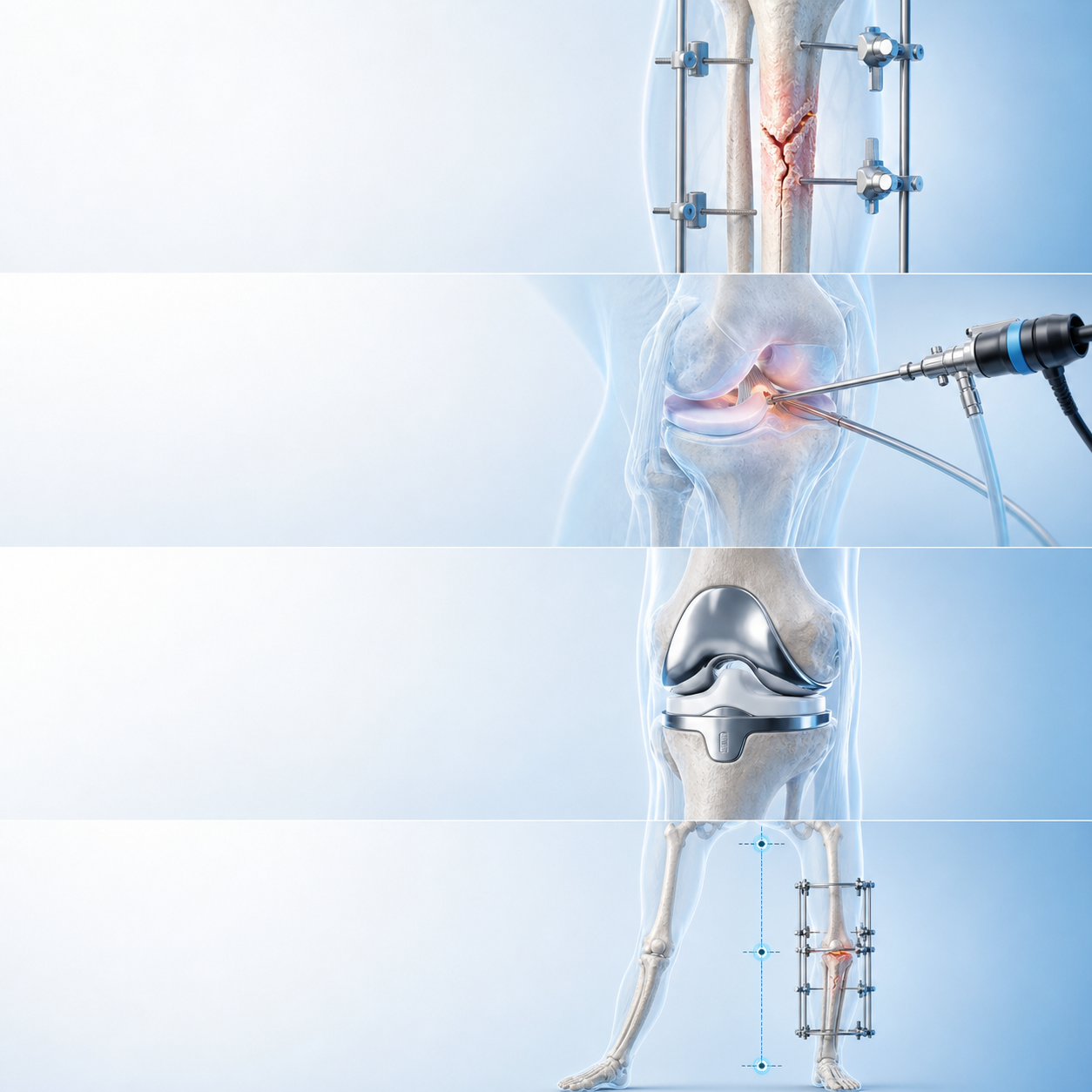
Limb Alignment Specialist in Seremban
If leg shape, uneven loading or a previous injury is affecting movement, Dr Shaharil can assess the whole limb as your limb alignment specialist in Seremban and explain suitable treatment at his orthopaedic clinic in CMH Specialist Hospital.
When Should You See a Limb Alignment Specialist in Seremban?
You do not need to work out the diagnosis before coming in. Tell me where it hurts, what changed and what you want to do comfortably again. The World Health Organization — Osteoarthritis fact sheet[1] explains how musculoskeletal problems can affect mobility and daily life.
Persistent or worsening symptoms deserve a structured assessment, especially after an injury or when normal movement is becoming difficult.
Symptoms and concerns worth assessing
- Bow-legged appearance in adults or knock knees in adults
- Pain linked to uneven loading
- Change in alignment after a fracture
- Different leg lengths or altered walking pattern
- Questions about correction or osteotomy
- Symptoms that keep returning or limit daily life
How Dr Shaharil Assesses Limb Alignment and Deformity
Limb alignment describes how the hip, knee and ankle line up during standing and movement. Alignment variation is not automatically a disease, but it may matter when it contributes to pain, joint loading, instability or progressive deformity.
Assessment and treatment planning should remain consistent with Ministry of Health Malaysia — Clinical Practice Guidelines: Management of Osteoarthritis[2] and your individual clinical findings.
For people living in Seremban or elsewhere in Negeri Sembilan, local consultation can make imaging review, follow-up and rehabilitation easier to coordinate. Location alone does not decide treatment; suitability still depends on diagnosis, goals and clinical need.
Why the Seremban location may be practical
- Specialist consultation closer to home
- Easier review of existing scans and reports
- More practical family or caregiver involvement
- Planned follow-up at CMH Specialist Hospital
- A local pathway for rehabilitation when required
Limb Alignment Assessment at the Orthopaedic Clinic in Seremban
The consultation is designed to identify the likely source of symptoms and decide whether treatment, further investigation or another referral is the sensible next step. Patient-friendly information from AAOS OrthoInfo — Osteoarthritis[3] can help you prepare useful questions.
Your story
Understand how lower-limb alignment is assessed through standing posture, gait and joint movement
Clinical examination
Use standing long-leg X-ray imaging when clinically appropriate
A reasoned plan
Relate measurements to symptoms, age, previous injury and goals, including the relationship between leg alignment and knee arthritis
Limb Alignment and Bow-Leg Treatment Options in Seremban
There is no single plan for everybody. The NICE NG226 — Osteoarthritis in over 16s[4] supports shared decisions based on symptoms, examination findings, personal goals and the balance of likely benefits and limitations.
Monitoring Mild Limb Alignment Changes
Mild or stable variation without important symptoms may not require correction.
Non-Surgical Treatment for Contributing Factors
Non-surgical care for alignment-related knee symptoms may include strength, movement, footwear, weight and joint-specific treatment for selected patients.
When Limb Alignment Correction May Be Considered
Limb-alignment correction or osteotomy may be discussed when deformity, symptoms and expected benefit justify it.
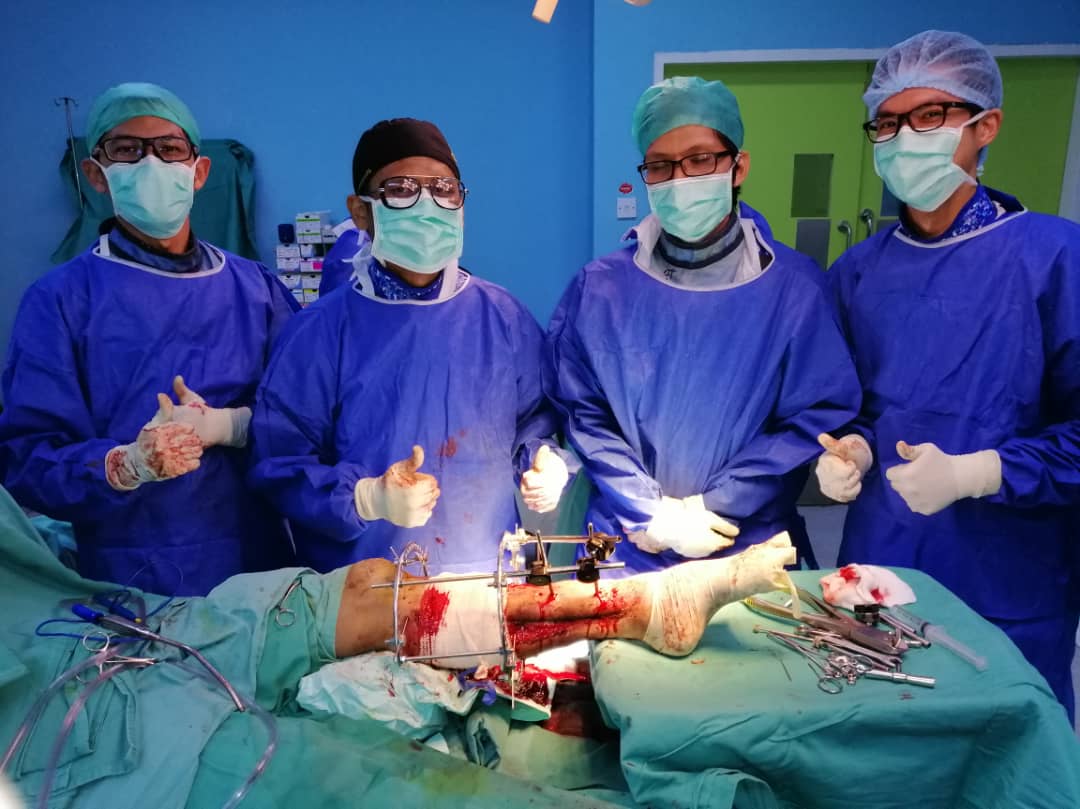
Limb Alignment and Deformity Consultation Cost in Seremban
These are regulated private specialist consultation fee ranges—not procedure, injection, surgery or hospital-package quotations.
Initial specialist consultation
Clinical history, examination and an initial plan. Imaging, treatment and hospital charges are separate.
Follow-up consultation
Review after investigation or treatment. Additional tests, procedures and rehabilitation are excluded.
What to Expect After Treatment
Recovery after limb-alignment surgery depends on the bone, procedure, fixation, weight-bearing plan and rehabilitation. A clear plan should cover healing, joint movement, strength and return to work.
Rehabilitation should be individualised; the evidence summarised in PubMed — Exercise-based rehabilitation for musculoskeletal conditions[6] supports matching recovery programmes to the condition and the person.
Seek urgent care if you develop:
- Rapidly worsening deformity with pain
- New inability to bear weight
- Numbness, weakness or circulation change
- Deformity after a new injury
Questions, Investigations and Safe Decision-Making
A careful physical examination remains central; see the clinical overview in NCBI Bookshelf — Musculoskeletal Examination[5]. Bring previous reports, scans, medicine lists and a short timeline of your symptoms.
Questions to bring
- What is the most likely diagnosis?
- Do I need imaging or another test?
- What can I try without a procedure?
- What benefits and limitations should I expect?
- When should progress be reviewed?
What Patients Have Shared About Orthopaedic Care
These summaries describe communication and care experiences shared publicly about treatment involving Dr Shaharil. They do not guarantee an individual outcome.
Ashoka R. described clear explanations before and after knee arthroscopy, helpful clinic communication and attentive follow-up.
— Ashoka R., public feedbackKokila S. described a detailed explanation before an orthopaedic injection and supportive nursing care.
— Kokila S., public feedbackWhy Choose Dr Shaharil for Limb Alignment and Deformity in Seremban?
Whole-limb assessment rather than one joint alone
A consultant reviews the problem personally.
Alignment measured in clinical context
Options are compared according to clinical suitability.
Arthritis and previous injury considered
Explanations are kept clear and patient-centred.
Correction discussed only when justified
Treatment is matched to diagnosis and personal goals.
Long-term loading and recovery explained
Follow-up can be coordinated locally in Seremban.
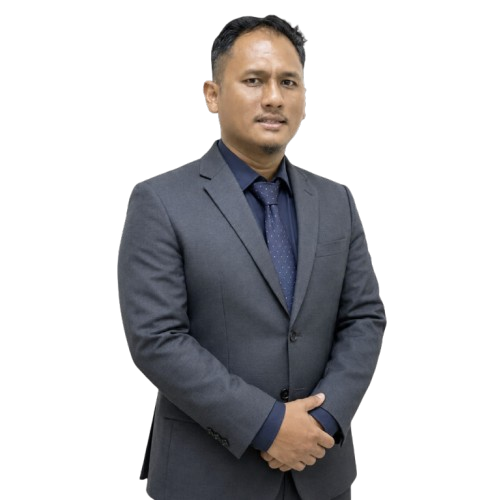
Dr Shaharil Orthopedic Specialist Clinic Seremban
“My role is to help you understand what is happening, what can improve and which option makes sense for your life.”
Dr Shaharil provides orthopaedic assessment and treatment at CMH Specialist Hospital in Seremban using the approved professional title Consultant Orthopaedic & Trauma Surgeon.
Clinic details
Dr Shaharil Orthopedic Specialist Clinic Seremban
Level 1, Room 5, CMH Specialist Hospital, Lot 3900, Jln Tun Dr. Ismail, Bandar Seremban, 70200 Seremban, Negeri Sembilan
Phone: 011 3147 6188
Limb Alignment Specialist in Seremban: FAQs
Are bow legs always abnormal?
No. Alignment varies, and treatment depends on symptoms, progression, age and joint loading.
What imaging may a limb alignment specialist request?
A standing hip-to-ankle image can help measure mechanical alignment when clinically appropriate.
Can alignment cause knee pain?
It can influence joint loading, but symptoms must be assessed in the wider clinical picture.
Can physiotherapy straighten bone alignment?
Exercise can improve strength and control but does not usually change established adult bone alignment.
What is an osteotomy?
It is a bone correction procedure considered for selected deformity and joint-loading problems.
Does seeing a limb alignment specialist mean I need surgery?
No. Observation and non-surgical management may be appropriate.
What does alignment assessment cost?
The published initial specialist fee range is RM80–RM235, excluding imaging and treatment.
Can old fracture deformity be assessed?
Yes. Prior records and full-length imaging may help.
How long is recovery after correction?
It varies with the procedure, bone healing, weight-bearing plan and rehabilitation.
Which orthopaedic clinic in Seremban assesses limb alignment and bow legs?
Contact CMH Specialist Hospital in Seremban.
Explore Limb Alignment and Deformity in More Depth
Limb alignment can influence joint loading, walking and recovery. Related pathways include a knee specialist assessment, fracture follow-up, sports injury care and knee injection assessment where appropriate.
Limb Alignment Guides Related to This Topic
Explore adult bow legs and knock knees, standing imaging, clinical assessment, non-surgical care, correction planning and recovery.
Sources and Citations
- World Health Organization — Osteoarthritis fact sheet
- Ministry of Health Malaysia — Clinical Practice Guidelines: Management of Osteoarthritis
- AAOS OrthoInfo — Osteoarthritis
- NICE NG226 — Osteoarthritis in over 16s
- NCBI Bookshelf — Musculoskeletal Examination
- PubMed — Exercise-based rehabilitation for musculoskeletal conditions
Arrange a limb alignment and deformity consultation in Seremban
Bring your questions, reports and scans if you have them. We can start with a conversation and work out what comes next.