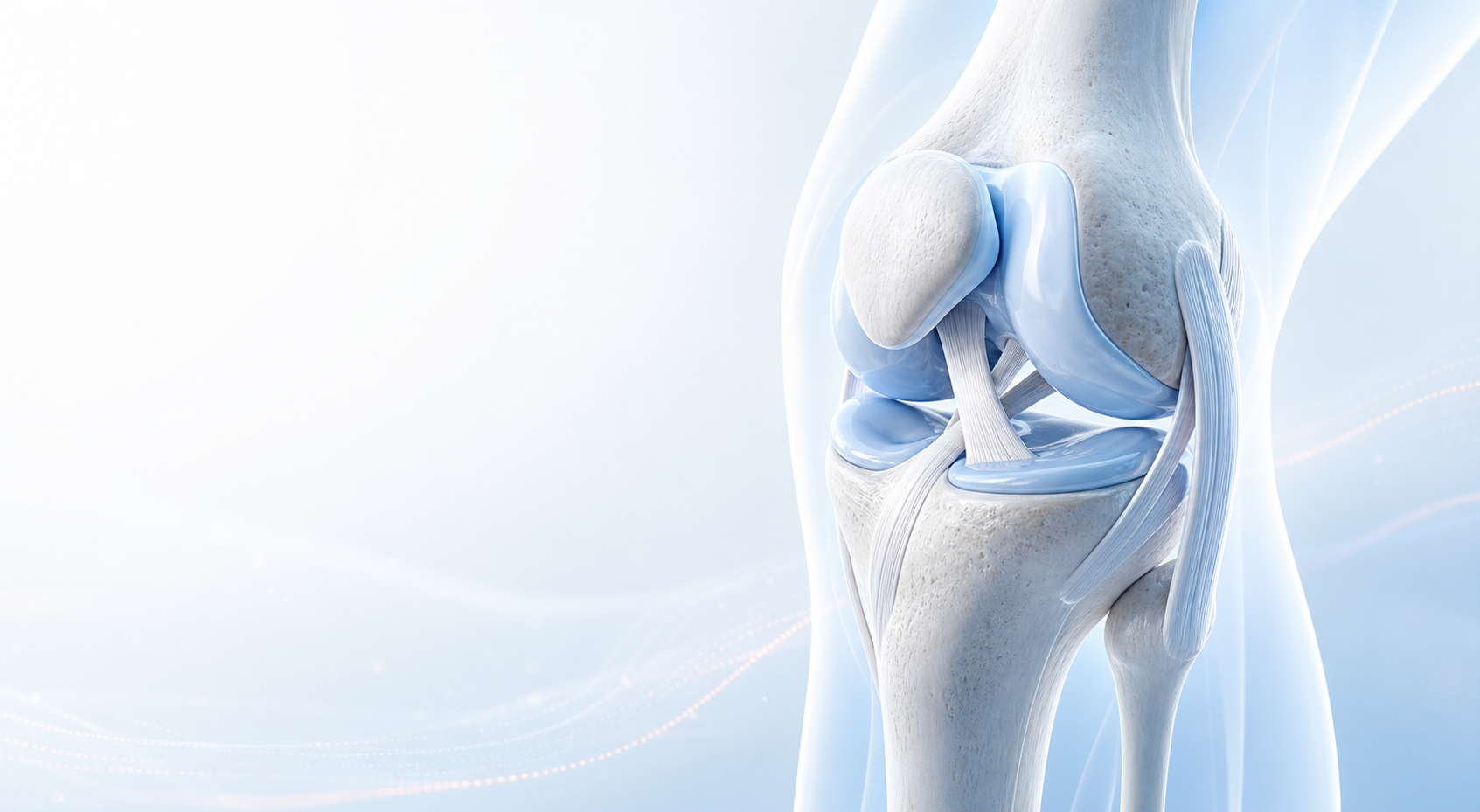
Author: Dr Shaharil

  • When Should Knee Pain Be Checked by an Orthopaedic Specialist?

    When Should Knee Pain Be Checked by an Orthopaedic Specialist?

    Written by Dr ShaharilConsultant Orthopaedic & Trauma Surgeon at CMH Specialist Hospital, Seremban. View Dr Shaharil’s profile.

    When knee pain deserves a closer look

    A sore knee after unusual activity may settle. Pain that persists, repeatedly returns or changes how you walk, work, sleep or exercise deserves a more careful assessment.
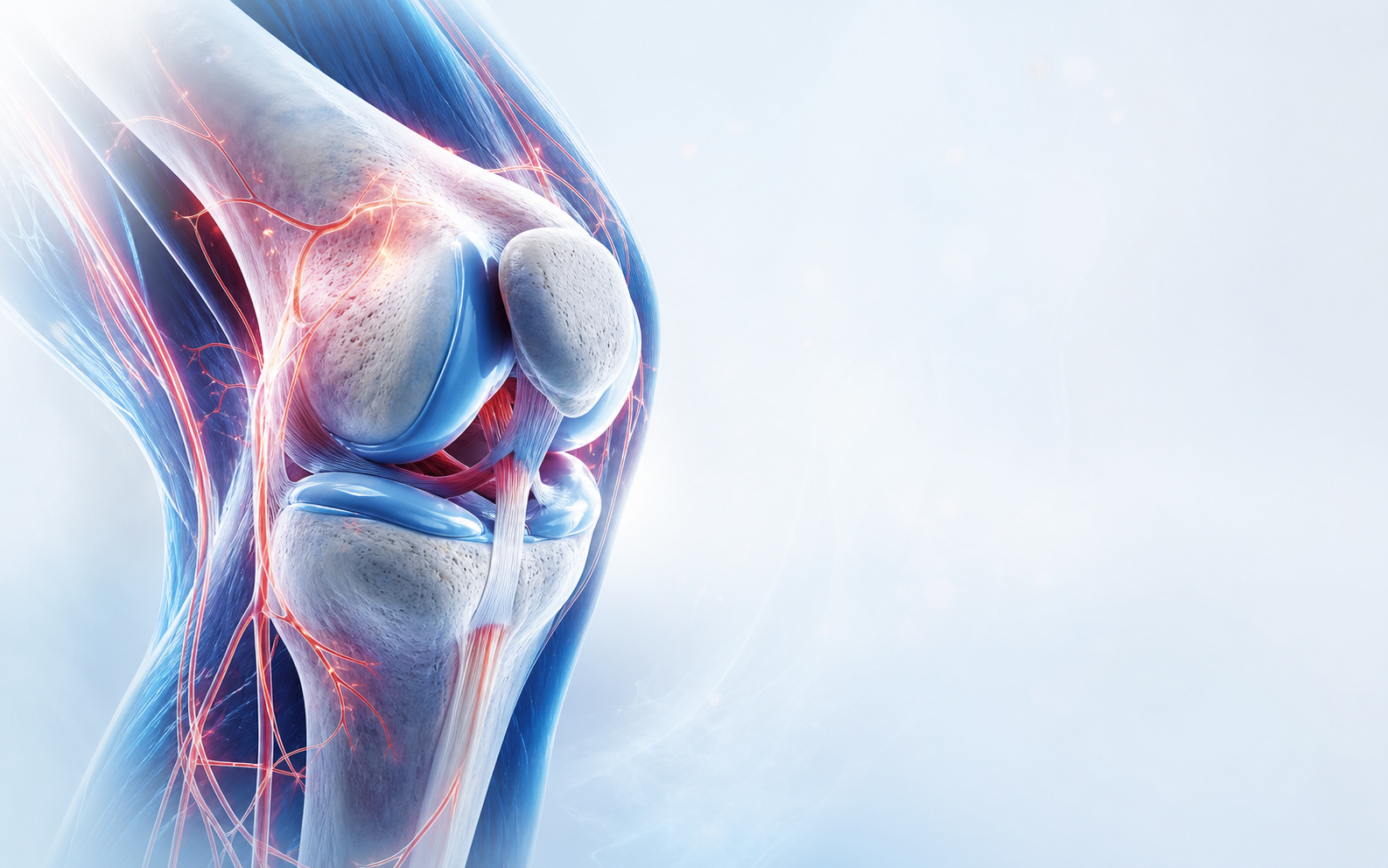
    Detailed anatomical illustration of the knee joint

    Short answer

    Consider specialist assessment when knee pain does not improve as expected, keeps returning, limits daily activities or occurs with significant swelling, stiffness, locking, catching or giving way. Pain after a major injury, inability to bear weight or a hot swollen knee with fever needs urgent care.

    This guide is provided by Dr Shaharil Orthopedic Specialist Clinic Seremban to help patients understand the assessment and treatment pathway before an individual consultation.

    Key takeaways

    Book assessmentWhen pain persists, recurs, worsens or limits walking, stairs, sleep, work or sport.
    Earlier reviewAfter trauma, repeated swelling, true locking, instability or loss of movement.
    Urgent careFor deformity, inability to bear weight, a hot swollen knee with fever, or numbness after injury.
    ImagingNot every knee needs an MRI; the clinical question determines the test.

    Persistence and function are useful clues

    There is no single number of painful days that applies to everyone. The trend matters: is the knee gradually improving, or is it staying painful despite sensible initial care? Pain that repeatedly interrupts sleep, walking, stairs, prayer positions, work or exercise may need assessment.

    A consultation may also help if the pain improves briefly and then returns whenever you resume normal activity. That pattern can guide the examination and discussion about rehabilitation or further investigation.

    Look beyond pain alone

    Swelling, stiffness, reduced movement, grinding, locking, catching and giving way provide additional information. These symptoms can occur with several different conditions, so they should not be used to diagnose yourself.

    Describe where you feel the pain, which movement triggers it and whether there was a twist, fall or sudden change of direction. Also mention previous injuries, operations and how confident you feel putting weight through the knee.

    Injury-related knee pain may need earlier review

    After a significant injury, seek earlier assessment if swelling develops quickly, you cannot fully straighten the knee, it repeatedly gives way or you cannot walk safely. A clinician may need to consider bone, ligament, tendon, meniscus or cartilage injury.

    Not every injury requires MRI or surgery. The history and physical examination help decide which tests, if any, are appropriate and whether initial non-surgical treatment is reasonable.

    What the knee assessment may include

    The clinician may examine swelling, tenderness, movement, stability, alignment, muscle strength and walking. Existing X-rays or MRI scans are reviewed alongside these findings rather than treated as a diagnosis on their own.

    The plan may include education, activity changes, rehabilitation, medication discussion, further imaging, monitoring or a procedure when clinically appropriate. The purpose is to match the treatment to the cause and to your functional goals.

    What clinical guidance supports

    The NHS knee-pain guidance recommends review when pain does not improve, while urgent assessment is advised for severe pain, inability to move or bear weight, major swelling or deformity, or a hot red knee with fever.

    For long-standing knee pain, the ACR appropriateness criteria commonly place knee radiographs before MRI. NICE osteoarthritis guidance also cautions against routine imaging when the clinical pattern is typical because management should be guided by symptoms and function.

    Clinical anatomical illustration of the knee joint in motion
    Knee symptoms can come from different structures, so the pattern and examination matter more than one symptom alone.

    The pattern matters more than one pain score

    Pain at the front of the knee during stairs may suggest a different loading pattern from pain along the joint line after a twist. Morning stiffness, swelling, night symptoms, catching, instability and the ability to fully straighten the knee help narrow the possibilities.

    The hip, back, foot and walking pattern may also be relevant. Knee pain can be influenced by strength, alignment, workload and referred symptoms, so assessment should not focus only on the exact spot that hurts.

    What an orthopaedic knee assessment may include

    The examination may look at swelling, tenderness, range of motion, muscle strength, ligament stability, meniscal signs, alignment and gait. Findings are interpreted with the injury mechanism, duration and functional goals.

    If imaging is needed, an X-ray can answer many bone, alignment and arthritis questions. MRI is more likely when a soft-tissue injury or internal derangement remains clinically important and the result would change treatment.

    Treatment is matched to the cause and goal

    Many knee problems improve with a structured non-surgical plan: load adjustment, progressive strength and mobility work, rehabilitation and appropriate symptom relief. The plan should be specific enough to review, rather than the vague instruction to ‘rest until better’.

    Procedures are considered for selected problems, not for pain alone. The likely benefit must be weighed against risk, recovery, work and family demands, and reasonable alternatives.

    How I turn uncertainty into a staged plan

    I usually organise the next step around three questions: what is safe to do now, what missing information would genuinely change treatment, and what development would make us revise the plan. The first step may be activity adjustment, diagnosis-specific rehabilitation, symptom relief or a targeted test. It should be proportionate to both the level of risk and the amount of function you have lost.

    Every plan also needs a review point. We should agree on the change we hope to see, a reasonable timescale and the findings that would mean the strategy is not enough. This avoids waiting indefinitely without direction and also avoids escalating to an invasive treatment before the diagnosis, alternatives and goals are clear.

    Personal factors that can change the recommendation

    Two people with similar scan findings may reasonably choose different plans. Work demands, caregiving, previous injuries, other health conditions, medicines, sport, sleep, willingness to complete rehabilitation and the movement you need to regain can all change the balance of benefit and burden.

    Tell the clinician about diabetes, heart, kidney or stomach problems, blood-thinning medicine, allergies, infection history, pregnancy where relevant, and previous operations or implants. These details do not automatically rule treatment in or out, but they can change medication safety, test selection, procedural risk, preparation and recovery planning.

    Dr Shaharil, Consultant Orthopaedic and Trauma Surgeon in Seremban
    A consultation should connect the clinical findings with the movement and daily activities that matter to you.

    Arrange assessment when knee pain

    • Persists or repeatedly returns.
    • Limits walking, stairs, work, sleep or exercise.
    • Comes with recurrent swelling or loss of movement.
    • Makes the knee lock, catch or give way.
    • Follows a significant injury or is not recovering as expected.

    When to seek urgent care

    Seek urgent care if the knee is badly swollen or deformed, you cannot move it or bear weight, it is locked and cannot straighten, or it becomes hot and red while you have fever or feel unwell.

    Frequently asked questions

    Does clicking mean my knee is damaged?

    Painless clicking can occur without a serious problem. Painful clicking, locking, swelling or instability deserves assessment, especially if it affects function.

    Will I need an MRI?

    Not automatically. Imaging depends on the history, examination, suspected problem and whether the result could change management.

    Can knee pain be treated without surgery?

    Many knee conditions have non-surgical treatment options. The appropriate plan depends on the diagnosis, severity and your goals.

    Can the cause of knee pain be diagnosed from symptoms alone?

    Symptoms are important, but similar symptoms can arise from different structures or conditions. A diagnosis may require a focused examination and, only when it will change management, an appropriate investigation.

    Should I stop all activity until I am assessed?

    Not automatically. Avoid movements that cause sharp pain, repeated giving way or clear worsening, but complete rest can sometimes increase stiffness and weakness. The safe level of activity depends on the cause and severity.

    Can I take pain medicine before the appointment?

    Do not start, stop or change medication solely because of this article. Ask a doctor or pharmacist what is safe for you, especially if you have kidney, stomach, liver or heart problems, take blood thinners, are pregnant, or use other medicines.

    What if my scan looks normal but I still have pain?

    A scan is one part of assessment. Some painful problems are diagnosed mainly from the history and examination, and some scan findings do not explain the symptoms. Persistent functional difficulty still deserves a clinical review.

    What should I monitor before follow-up?

    Note pain triggers, swelling, sleep disturbance, walking tolerance, work or sport limitations, episodes of locking or giving way, and whether the agreed plan is helping. This gives the follow-up visit useful information.

    Conclusion

    Knee pain deserves specialist assessment when it is persistent, mechanically disruptive, unstable, swollen or function-limiting—not only when it becomes unbearable. Early clarity can help you choose an appropriate level of treatment.

    Medical references

    1. NHS — Knee Pain
    2. NHS — Joint pain
    3. American College of Radiology — Appropriateness Criteria for Chronic Knee Pain
    4. NICE — Osteoarthritis in over 16s: diagnosis and management
    5. AAOS OrthoInfo — Your Visit With an Orthopaedic Surgeon

    About Dr Shaharil

    Dr Shaharil is a Consultant Orthopaedic & Trauma Surgeon practising at CMH Specialist Hospital in Seremban. Learn more about Dr Shaharil.

    Let’s begin with a clear conversation.

    Tell the clinic what hurts, when it began and what movement has become difficult. The team can help arrange an appointment with Dr Shaharil.

    WhatsApp for an appointment

    This information is general and does not replace an individual medical assessment, diagnosis or treatment. If symptoms are severe or worsening, seek appropriate medical care promptly.

  • When Is a Second Orthopaedic Opinion Useful?

    When Is a Second Orthopaedic Opinion Useful?

    Written by Dr ShaharilConsultant Orthopaedic & Trauma Surgeon at CMH Specialist Hospital, Seremban. View Dr Shaharil’s profile.

    More clarity before an important decision

    Wanting another explanation is not disrespectful. A second opinion can help when the diagnosis feels uncertain, the options are difficult to compare or you want another specialist to review the same information before deciding.

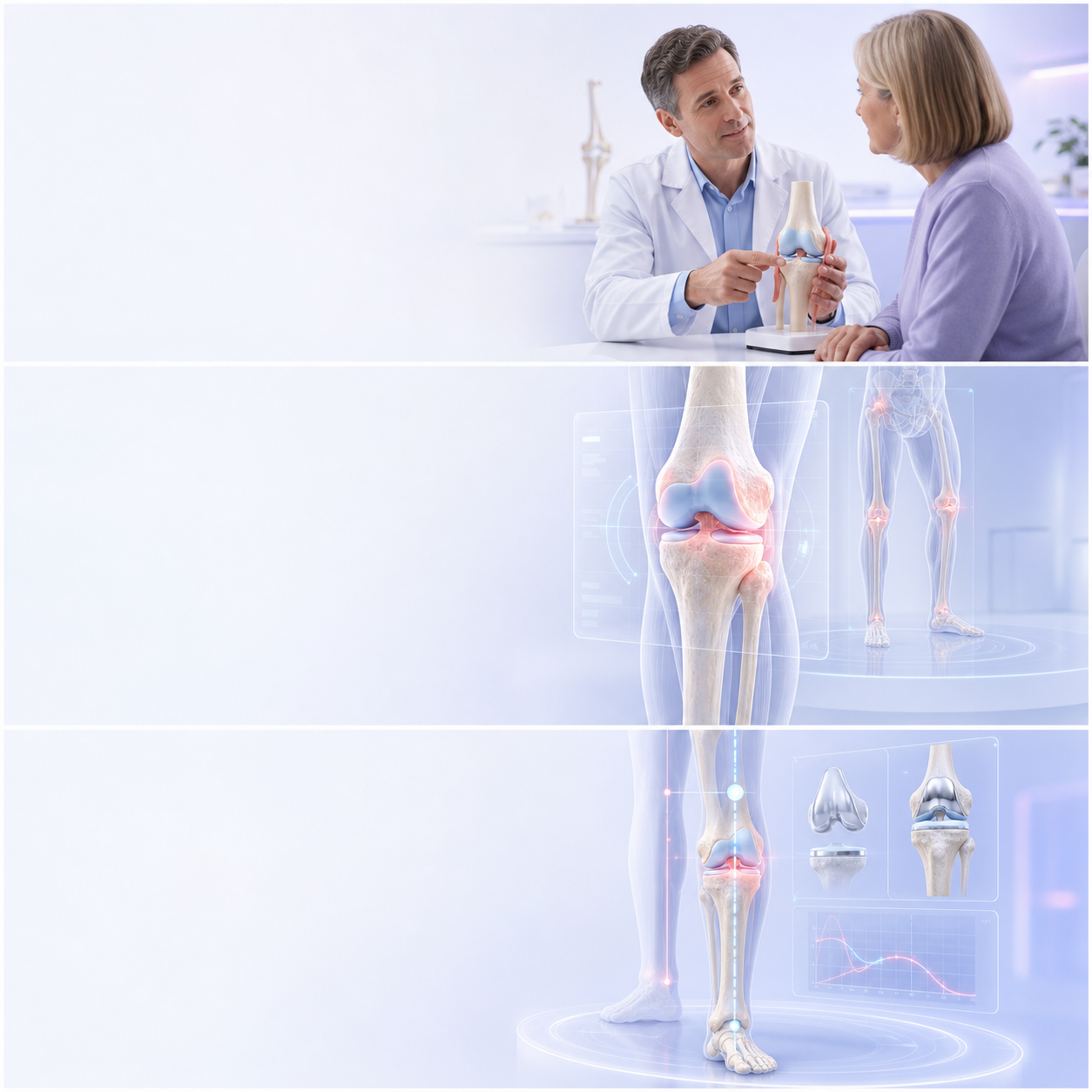
    Consultation illustration for an orthopaedic second opinion

    Short answer

    A second orthopaedic opinion may be useful when you have received different recommendations, are considering a major procedure, have symptoms that are not improving, want your scans explained again or remain unsure about the diagnosis. It provides another clinical view, not a guaranteed different answer.

    This guide is provided by Dr Shaharil Orthopedic Specialist Clinic Seremban to help patients understand the assessment and treatment pathway before an individual consultation.

    Key takeaways

    Useful whenThe diagnosis, options, urgency or expected recovery remain unclear.
    Especially relevantBefore major elective surgery or when treatment has not progressed as expected.
    BringConsultation notes, actual images, reports, medicine list and a concise timeline.
    PurposeTo improve understanding and confidence—not automatically to overturn the first opinion.

    Good reasons to ask for another view

    You may want a second opinion when a diagnosis remains unclear, several treatment options appear reasonable, a proposed operation has significant recovery demands or your progress does not match what you expected. It can also help when you have new information or updated imaging.

    Sometimes the second clinician agrees with the first recommendation. That agreement can still be useful because it gives you another opportunity to understand the reasoning and ask questions.

    Bring the complete clinical story

    Bring referral letters, clinic notes, X-rays, MRI or CT images, radiology reports, operative records and a list of treatments already tried. Include what helped, what did not and whether the symptoms have changed since the earlier assessment.

    Explain what still feels unclear. Is the concern the diagnosis, the need for surgery, the recovery, the risks, the timing or how the plan fits your work and family responsibilities? A focused question makes the review more useful.

    Why two recommendations may differ

    Clinical opinions can differ because new information becomes available, specialists interpret the balance of options differently or the best choice depends heavily on your priorities. A difference does not automatically prove that one clinician is careless or wrong.

    Ask each clinician to explain the evidence, uncertainty, alternatives and expected consequences. If recommendations differ substantially, you may need time to compare the reasoning or discuss whether further assessment would resolve the uncertainty.

    A second opinion is part of shared decision making

    For planned care, you should understand what the treatment is intended to achieve and what it cannot guarantee. You should also know about reasonable alternatives, including continued non-surgical care or no immediate change when that is medically acceptable.

    The final decision should reflect both clinical advice and what matters to you. Feeling informed and comfortable with the plan is important, particularly when recovery will affect independence, employment or caregiving.

    What clinical guidance supports

    The AHRQ diagnostic question guide encourages patients to ask what else a diagnosis could be, how it was reached and whether a second opinion is appropriate when uncertainty remains.

    Professional decision-making guidance also recognises this choice. The GMC states that reasonable alternatives can include the right to seek a second opinion, while NICE shared-decision guidance focuses on helping patients compare options in light of their own priorities.

    Orthopaedic discussion with Dr Shaharil at CMH Specialist Hospital
    A plan is clearer when benefits, limitations, alternatives and follow-up are discussed together.

    Situations where another view adds value

    A second opinion can help when surgery is elective and significant, two treatments have different trade-offs, the scan and symptoms do not seem to match, or you still cannot explain the diagnosis in your own words. It may also be useful if symptoms persist despite an appropriate plan.

    It is not a sign of disrespect. Good clinicians understand that major decisions deserve clarity. However, do not delay urgent treatment for an unstable fracture, infection, threatened circulation or another time-sensitive emergency simply to obtain several opinions.

    How to make the second consultation productive

    Ask the first clinic for copies of the actual images and reports, relevant notes, operation records and treatment history. Write down the question you want resolved: diagnosis, necessity, timing, surgical method, alternatives, recovery or risk.

    Tell the second clinician what you have already been advised without demanding agreement or disagreement. An independent assessment is strongest when the doctor can review the original evidence and examine you personally.

    What if the two opinions differ?

    Differences may reflect uncertainty, different interpretations, different thresholds for intervention or different experience with available techniques. Ask each clinician what findings drive the recommendation and what evidence would change it.

    Compare the expected benefit, material risks, recovery burden, consequences of waiting and how each option fits your goals. Sometimes a third opinion is justified, but endless opinions can also delay a necessary decision; agree on what information is still missing.

    How I turn uncertainty into a staged plan

    I usually organise the next step around three questions: what is safe to do now, what missing information would genuinely change treatment, and what development would make us revise the plan. The first step may be activity adjustment, diagnosis-specific rehabilitation, symptom relief or a targeted test. It should be proportionate to both the level of risk and the amount of function you have lost.

    Every plan also needs a review point. We should agree on the change we hope to see, a reasonable timescale and the findings that would mean the strategy is not enough. This avoids waiting indefinitely without direction and also avoids escalating to an invasive treatment before the diagnosis, alternatives and goals are clear.

    Personal factors that can change the recommendation

    Two people with similar scan findings may reasonably choose different plans. Work demands, caregiving, previous injuries, other health conditions, medicines, sport, sleep, willingness to complete rehabilitation and the movement you need to regain can all change the balance of benefit and burden.

    Tell the clinician about diabetes, heart, kidney or stomach problems, blood-thinning medicine, allergies, infection history, pregnancy where relevant, and previous operations or implants. These details do not automatically rule treatment in or out, but they can change medication safety, test selection, procedural risk, preparation and recovery planning.

    Dr Shaharil, Consultant Orthopaedic and Trauma Surgeon in Seremban
    A consultation should connect the clinical findings with the movement and daily activities that matter to you.

    Prepare these four questions

    • Do you agree with the diagnosis, and what evidence supports it?
    • What options are reasonable at this stage?
    • What would make one option more appropriate than another?
    • What are the likely consequences of waiting?

    When to seek urgent care

    Do not delay emergency care while seeking multiple opinions. Major trauma, deformity, an open wound, loss of circulation or sensation, or severe symptoms with fever require urgent assessment.

    Frequently asked questions

    Will the second doctor need to repeat every test?

    Not always. Bring the original images and reports. Additional tests should be recommended only when they may add useful information.

    Does a second opinion mean I must change doctors?

    No. It provides more information. You can decide which clinician and plan you feel comfortable continuing with.

    What if the two opinions are different?

    Ask both clinicians to explain the reasoning, uncertainties and consequences of each option. A further review may occasionally help when major questions remain.

    Can the orthopaedic diagnosis be diagnosed from symptoms alone?

    Symptoms are important, but similar symptoms can arise from different structures or conditions. A diagnosis may require a focused examination and, only when it will change management, an appropriate investigation.

    Should I stop all activity until I am assessed?

    Not automatically. Avoid movements that cause sharp pain, repeated giving way or clear worsening, but complete rest can sometimes increase stiffness and weakness. The safe level of activity depends on the cause and severity.

    Can I take pain medicine before the appointment?

    Do not start, stop or change medication solely because of this article. Ask a doctor or pharmacist what is safe for you, especially if you have kidney, stomach, liver or heart problems, take blood thinners, are pregnant, or use other medicines.

    What if my scan looks normal but I still have pain?

    A scan is one part of assessment. Some painful problems are diagnosed mainly from the history and examination, and some scan findings do not explain the symptoms. Persistent functional difficulty still deserves a clinical review.

    What should I monitor before follow-up?

    Note pain triggers, swelling, sleep disturbance, walking tolerance, work or sport limitations, episodes of locking or giving way, and whether the agreed plan is helping. This gives the follow-up visit useful information.

    Conclusion

    A useful second opinion should give you a clearer decision framework, even if it reaches the same conclusion as the first. The aim is informed confidence, not simply finding the answer you hoped to hear.

    Medical references

    1. Agency for Healthcare Research and Quality — Talk With Your Doctor
    2. General Medical Council — The dialogue leading to a decision
    3. General Medical Council — The seven principles of decision making and consent
    4. NICE — Shared Decision Making
    5. NHS — What to Ask Your Doctor or Other Healthcare Professional

    About Dr Shaharil

    Dr Shaharil is a Consultant Orthopaedic & Trauma Surgeon practising at CMH Specialist Hospital in Seremban. Learn more about Dr Shaharil.

    Let’s begin with a clear conversation.

    Tell the clinic what hurts, when it began and what movement has become difficult. The team can help arrange an appointment with Dr Shaharil.

    WhatsApp for an appointment

    This information is general and does not replace an individual medical assessment, diagnosis or treatment. If symptoms are severe or worsening, seek appropriate medical care promptly.
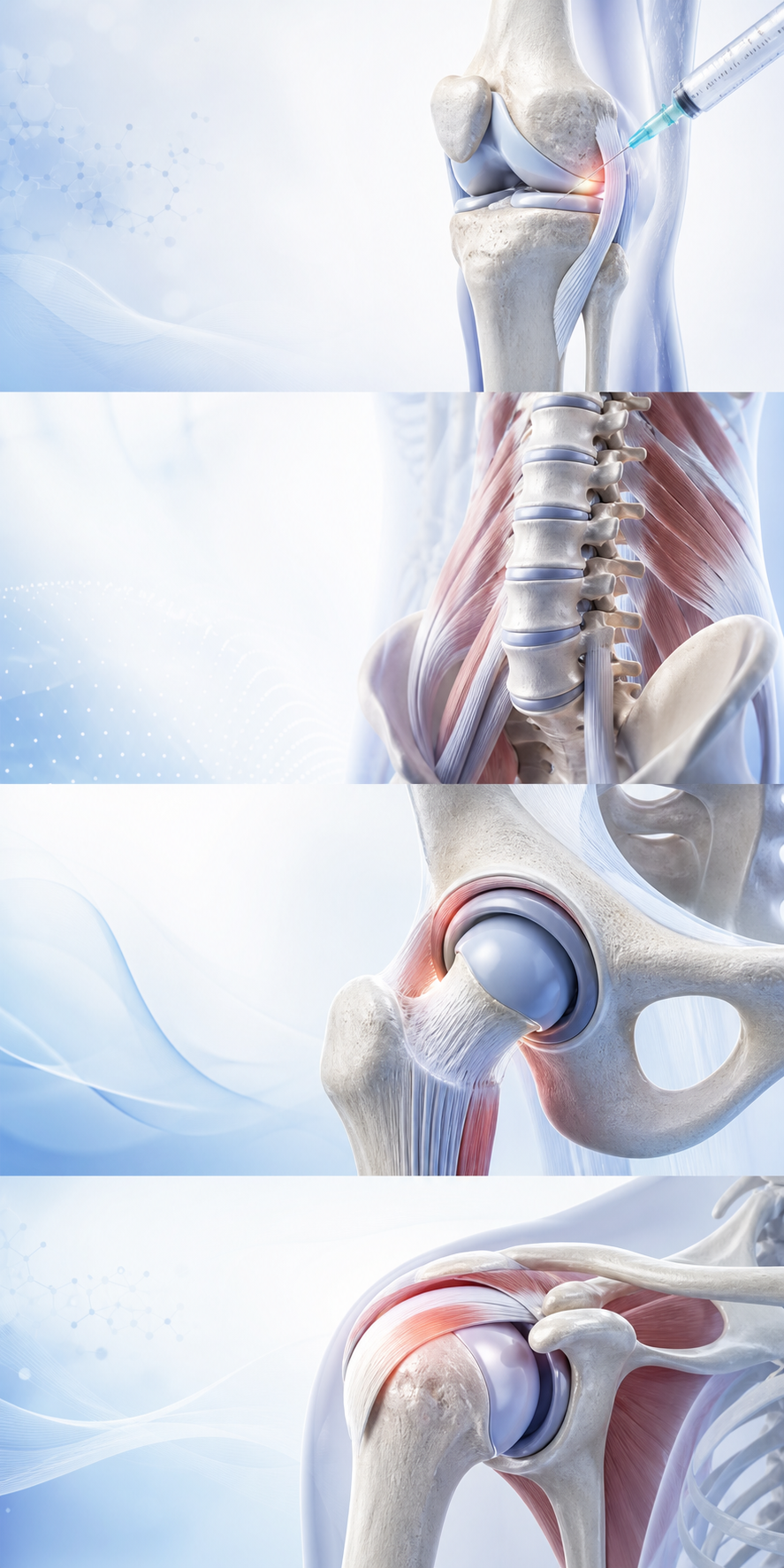
  • Back Pain When Standing or Walking

    Written by Dr ShaharilConsultant Orthopaedic & Trauma Surgeon at CMH Specialist Hospital, Seremban. View Dr Shaharil’s profile.

    Patient guide

    Back pain during standing or walking can reflect load-sensitive mechanical pain, reduced capacity, hip or lower-limb problems, spinal nerve narrowing or a non-musculoskeletal cause. The distance, posture, leg symptoms and recovery pattern help guide assessment.

    back pain when standing or walking — orthopaedic patient guide

    Short answer

    Back pain during standing or walking can reflect load-sensitive mechanical pain, reduced capacity, hip or lower-limb problems, spinal nerve narrowing or a non-musculoskeletal cause. The distance, posture, leg symptoms and recovery pattern help guide assessment.

    For the complete consultation pathway, conditions assessed and appointment information, visit back pain assessment in Seremban.

    Describe the pattern precisely

    Record how long or how far you can stand or walk before symptoms begin, where the pain travels and how quickly it eases. Note whether sitting, bending forward, stopping in place or changing footwear makes a difference.

    A consistent functional pattern is more useful than saying only that ‘walking hurts.’ It helps distinguish load, nerve, hip and circulation-related possibilities.

    Mechanical capacity and fatigue

    Some pain builds as back and hip muscles fatigue or when a recent flare has reduced confidence and activity. The pattern may improve with graded exposure, strength and changes in how tasks are paced.

    This does not mean pushing through severe symptoms. The rehabilitation dose should be matched to the diagnosis and reviewed against function.

    Nerve and spinal-stenosis patterns

    Pain, heaviness, tingling or weakness in one or both legs during standing or walking—especially when relieved by sitting or bending—can raise suspicion of neurogenic claudication, but vascular and hip causes can look similar.

    Neurological examination and circulation checks guide referral. Progressive weakness, saddle numbness or bladder and bowel disturbance needs urgent care.

    Hip, knee and circulation contributions

    Hip arthritis, lower-limb alignment, knee pain and foot problems can change gait and increase back symptoms. Vascular claudication may produce leg discomfort related to walking and requires a different medical pathway.

    Assessment should therefore include the hips and legs rather than treating the lumbar region in isolation.

    Investigation and next steps

    Imaging is not automatic. It is considered when findings suggest a specific cause or when the result is likely to change treatment or referral.

    The plan may involve graded activity, rehabilitation, medical risk review, hip or lower-limb treatment, vascular assessment, or referral to a suitable spine or neurological service. Dr Shaharil is not presented as a spine specialist.

    What current clinical guidance supports

    Current low-back-pain guidance prioritises screening for specific causes, tailored self-management and continued activity, with exercise-based rehabilitation where appropriate. NICE advises against routine imaging in a non-specialist setting and recommends specialist imaging only when the result is likely to change management. New or progressive neurological warning signs require a different, more urgent referral pathway.

    back pain when standing or walking assessment and treatment planning
    Good care connects symptoms, examination, appropriate investigation and the patient’s functional goals.

    When to seek urgent care

    Seek urgent assessment for new bladder, bowel or sexual-function disturbance, saddle-area numbness, rapidly worsening weakness, major trauma, fever with severe illness, or a sudden cold or weak limb. Call emergency services when symptoms are severe or progressing.

    Frequently asked questions

    Why does leaning on a trolley help some people walk?

    Flexing forward can ease some spinal-stenosis patterns, but this clue is not diagnostic. Hip, vascular and general conditioning factors should also be assessed.

    Should I use a walking aid?

    A suitable aid can improve safety and tolerance for some people, but correct selection and height matter. Ask a clinician or physiotherapist for individual advice.

    Does back pain always need a scan?

    No. NICE advises against routine imaging in a non-specialist setting. Imaging is considered when serious pathology is suspected or when the result is likely to change management.

    Does seeing an orthopaedic surgeon mean I need back surgery?

    No. Assessment may lead to reassurance, activity advice, rehabilitation, appropriate investigation or referral. Dr Shaharil is a Consultant Orthopaedic & Trauma Surgeon, not presented here as a spine specialist.

    Should I stay in bed until the pain settles?

    Prolonged bed rest is not usually recommended for uncomplicated low-back pain. The safe amount of activity depends on symptoms, examination, injury and any warning signs.

    Can pain medicine solve the cause?

    Medicine may help some people manage symptoms, but suitability and risk vary. It should not replace assessment when symptoms are severe, changing, persistent or accompanied by warning signs.

    When is emergency care more appropriate than a clinic appointment?

    Go for urgent assessment after major trauma or with new bladder, bowel or sexual-function disturbance, numbness around the saddle area, rapidly worsening weakness, fever with severe illness, or other serious warning signs.

    What should I bring to an assessment?

    Bring a short symptom timeline, medicine and allergy list, earlier reports and actual scans if available, plus notes on walking, sleep, work and activities that have become difficult.

    Conclusion

    Back pain during standing or walking can reflect load-sensitive mechanical pain, reduced capacity, hip or lower-limb problems, spinal nerve narrowing or a non-musculoskeletal cause. The distance, posture, leg symptoms and recovery pattern help guide assessment. An individual consultation is needed to decide what is safe, useful and proportionate for you.

    Medical references

    1. NICE — Low back pain and sciatica: recommendations
    2. NICE — Recognition and referral of suspected neurological conditions
    3. World Health Organization — Low back pain
    4. World Health Organization — Guideline for chronic primary low back pain
    5. AAOS OrthoInfo — Low Back Pain

    Let’s work out the next step.

    Tell the clinic what happened, what hurts and which activities are now difficult. The team can help arrange an appointment with Dr Shaharil.

    WhatsApp for an appointment

    This article provides general education and does not replace individual medical assessment, diagnosis or treatment. Service and product availability, price and suitability must be confirmed directly with the clinic. Seek appropriate urgent care if symptoms are severe, progressive or concerning.

  • Mechanical Back Pain: What Does the Term Mean?

    Written by Dr ShaharilConsultant Orthopaedic & Trauma Surgeon at CMH Specialist Hospital, Seremban. View Dr Shaharil’s profile.

    Patient guide

    Mechanical back pain is a broad description for pain influenced by movement, posture or load after serious and specific causes have been considered. It does not identify one damaged structure and should not be used to dismiss persistent or changing symptoms.

    mechanical back pain — orthopaedic patient guide

    Short answer

    Mechanical back pain is a broad description for pain influenced by movement, posture or load after serious and specific causes have been considered. It does not identify one damaged structure and should not be used to dismiss persistent or changing symptoms.

    For the complete consultation pathway, conditions assessed and appointment information, visit back pain treatment in Seremban.

    A descriptive term, not a precise tissue diagnosis

    Mechanical or non-specific pain may come with stiffness, muscle guarding and symptoms that change with bending, lifting, sitting or standing. In many cases, one exact pain-generating structure cannot be identified confidently.

    That uncertainty can be managed responsibly: screen for serious causes, understand the functional pattern, support recovery and review progress.

    What assessment should cover

    History includes onset, workload, sleep, stress, activity, previous episodes, leg symptoms, health conditions and warning signs. Examination assesses movement, gait, strength, neurological function and relevant hip or limb findings.

    The goal is to place the patient in the correct care pathway, not to attach an impressive anatomical label without evidence.

    Why routine imaging is limited

    Age-related disc and joint changes are common in people with and without pain. NICE advises that imaging should not be routinely offered in a non-specialist setting for low-back pain with or without sciatica.

    Imaging becomes useful when a specific cause is suspected or when a result in specialist care is likely to alter management.

    Active, proportionate management

    For uncomplicated low-back pain, education, continued ordinary activity within tolerance and an exercise-based plan are central. WHO also emphasises rehabilitation and a person-centred, biopsychosocial approach.

    Treatment should be adjusted to capability and goals. Passive care alone, prolonged rest or fear-driven avoidance can leave function behind even if pain fluctuates.

    Set review triggers

    Agree on practical milestones such as walking, sleep, work tolerance and confidence with movement. Also name the point at which persistent symptoms, deterioration or neurological findings should trigger reassessment.

    A changing pattern is new information. It should prompt reconsideration of diagnosis and referral rather than indefinite continuation of the same plan.

    What current clinical guidance supports

    Current low-back-pain guidance prioritises screening for specific causes, tailored self-management and continued activity, with exercise-based rehabilitation where appropriate. NICE advises against routine imaging in a non-specialist setting and recommends specialist imaging only when the result is likely to change management. New or progressive neurological warning signs require a different, more urgent referral pathway.

    mechanical back pain assessment and treatment planning
    Good care connects symptoms, examination, appropriate investigation and the patient’s functional goals.

    When to seek urgent care

    Seek urgent assessment for new bladder, bowel or sexual-function disturbance, saddle-area numbness, rapidly worsening weakness, major trauma, fever with severe illness, or a sudden cold or weak limb. Call emergency services when symptoms are severe or progressing.

    Frequently asked questions

    Does mechanical back pain mean nothing is wrong?

    No. The pain and functional impact are real. The term means a specific serious disease or single tissue source has not been established from the current assessment.

    Can posture alone cause mechanical back pain?

    Posture can influence symptoms, but it is rarely the only factor. Activity, capacity, sleep, stress, health and previous injury can all contribute.

    Does back pain always need a scan?

    No. NICE advises against routine imaging in a non-specialist setting. Imaging is considered when serious pathology is suspected or when the result is likely to change management.

    Does seeing an orthopaedic surgeon mean I need back surgery?

    No. Assessment may lead to reassurance, activity advice, rehabilitation, appropriate investigation or referral. Dr Shaharil is a Consultant Orthopaedic & Trauma Surgeon, not presented here as a spine specialist.

    Should I stay in bed until the pain settles?

    Prolonged bed rest is not usually recommended for uncomplicated low-back pain. The safe amount of activity depends on symptoms, examination, injury and any warning signs.

    Can pain medicine solve the cause?

    Medicine may help some people manage symptoms, but suitability and risk vary. It should not replace assessment when symptoms are severe, changing, persistent or accompanied by warning signs.

    When is emergency care more appropriate than a clinic appointment?

    Go for urgent assessment after major trauma or with new bladder, bowel or sexual-function disturbance, numbness around the saddle area, rapidly worsening weakness, fever with severe illness, or other serious warning signs.

    What should I bring to an assessment?

    Bring a short symptom timeline, medicine and allergy list, earlier reports and actual scans if available, plus notes on walking, sleep, work and activities that have become difficult.

    Conclusion

    Mechanical back pain is a broad description for pain influenced by movement, posture or load after serious and specific causes have been considered. It does not identify one damaged structure and should not be used to dismiss persistent or changing symptoms. An individual consultation is needed to decide what is safe, useful and proportionate for you.

    Medical references

    1. NICE — Low back pain and sciatica: recommendations
    2. World Health Organization — Low back pain
    3. World Health Organization — Guideline for chronic primary low back pain
    4. AAOS OrthoInfo — Low Back Pain
    5. NICE — Recognition and referral of suspected neurological conditions

    Let’s work out the next step.

    Tell the clinic what happened, what hurts and which activities are now difficult. The team can help arrange an appointment with Dr Shaharil.

    WhatsApp for an appointment

    This article provides general education and does not replace individual medical assessment, diagnosis or treatment. Service and product availability, price and suitability must be confirmed directly with the clinic. Seek appropriate urgent care if symptoms are severe, progressive or concerning.

  • Back Pain After a Fall or Injury

    Written by Dr ShaharilConsultant Orthopaedic & Trauma Surgeon at CMH Specialist Hospital, Seremban. View Dr Shaharil’s profile.

    Patient guide

    Back pain after a fall may be a soft-tissue strain, but fracture, nerve injury or injury elsewhere must be excluded when the force, age, bone health, pain severity or neurological symptoms raise concern. Major trauma and warning signs belong in emergency care.

    back pain after a fall or injury — orthopaedic patient guide

    Short answer

    Back pain after a fall may be a soft-tissue strain, but fracture, nerve injury or injury elsewhere must be excluded when the force, age, bone health, pain severity or neurological symptoms raise concern. Major trauma and warning signs belong in emergency care.

    For the complete consultation pathway, conditions assessed and appointment information, visit back pain and injury assessment in Seremban.

    First judge the force and immediate function

    A slip onto the buttocks, fall from height, road collision or direct blow creates different injury patterns. Note whether pain was immediate, whether you could stand and walk, and whether the head, chest, abdomen, pelvis or limbs were also injured.

    Do not move someone with severe pain, deformity, weakness or altered consciousness unless required for immediate safety; use emergency services.

    Who has a lower threshold for assessment

    Older adults, people with osteoporosis, prolonged steroid use, previous spinal fracture, cancer or frailty can sustain fracture after lower-energy trauma. Anticoagulants and other medical conditions may change urgency.

    Pain that remains severe, is sharply localised over bone, worsens with movement or prevents ordinary function deserves clinical review even when bruising looks modest.

    Neurological and systemic warning signs

    New weakness, numbness, saddle-area sensory change, bladder or bowel disturbance, severe radiating leg pain or loss of walking control requires urgent assessment.

    Breathlessness, abdominal pain, fainting, fever or feeling very unwell can point beyond a simple back strain and should not wait for a routine orthopaedic appointment.

    When imaging may be useful

    Trauma is one of the specific causes NICE says must be considered when assessing low-back pain. The choice of X-ray, CT or MRI depends on the suspected injury, examination and whether neurological or other structures are involved.

    A normal-looking external back does not exclude injury. Conversely, routine scanning is not needed for every minor strain when the clinical picture is reassuring.

    Recovery after a minor injury

    When serious injury has been excluded, management may include sensible activity, symptom control, gradual movement and rehabilitation. Advice should reflect the exact injury and health risks.

    Return earlier if pain escalates, function deteriorates, new symptoms appear or expected recovery stalls. The diagnosis should be reviewed rather than repeatedly treating the label ‘strain.’

    What current clinical guidance supports

    Current low-back-pain guidance prioritises screening for specific causes, tailored self-management and continued activity, with exercise-based rehabilitation where appropriate. NICE advises against routine imaging in a non-specialist setting and recommends specialist imaging only when the result is likely to change management. New or progressive neurological warning signs require a different, more urgent referral pathway.

    back pain after a fall or injury assessment and treatment planning
    Good care connects symptoms, examination, appropriate investigation and the patient’s functional goals.

    When to seek urgent care

    Seek urgent assessment for new bladder, bowel or sexual-function disturbance, saddle-area numbness, rapidly worsening weakness, major trauma, fever with severe illness, or a sudden cold or weak limb. Call emergency services when symptoms are severe or progressing.

    Frequently asked questions

    Can I wait a few days after a fall?

    Only if the injury was minor, symptoms are stable and no warning features are present. Severe pain, inability to walk, neurological change or major trauma needs prompt assessment.

    Is an X-ray enough after a fall?

    It depends on the suspected injury. A clinician selects X-ray, CT or MRI according to the history, examination and decision that imaging must answer.

    Does back pain always need a scan?

    No. NICE advises against routine imaging in a non-specialist setting. Imaging is considered when serious pathology is suspected or when the result is likely to change management.

    Does seeing an orthopaedic surgeon mean I need back surgery?

    No. Assessment may lead to reassurance, activity advice, rehabilitation, appropriate investigation or referral. Dr Shaharil is a Consultant Orthopaedic & Trauma Surgeon, not presented here as a spine specialist.

    Should I stay in bed until the pain settles?

    Prolonged bed rest is not usually recommended for uncomplicated low-back pain. The safe amount of activity depends on symptoms, examination, injury and any warning signs.

    Can pain medicine solve the cause?

    Medicine may help some people manage symptoms, but suitability and risk vary. It should not replace assessment when symptoms are severe, changing, persistent or accompanied by warning signs.

    When is emergency care more appropriate than a clinic appointment?

    Go for urgent assessment after major trauma or with new bladder, bowel or sexual-function disturbance, numbness around the saddle area, rapidly worsening weakness, fever with severe illness, or other serious warning signs.

    What should I bring to an assessment?

    Bring a short symptom timeline, medicine and allergy list, earlier reports and actual scans if available, plus notes on walking, sleep, work and activities that have become difficult.

    Conclusion

    Back pain after a fall may be a soft-tissue strain, but fracture, nerve injury or injury elsewhere must be excluded when the force, age, bone health, pain severity or neurological symptoms raise concern. Major trauma and warning signs belong in emergency care. An individual consultation is needed to decide what is safe, useful and proportionate for you.

    Medical references

    1. NICE — Low back pain and sciatica: recommendations
    2. NICE — Recognition and referral of suspected neurological conditions
    3. AAOS OrthoInfo — Low Back Pain
    4. World Health Organization — Low back pain
    5. World Health Organization — Guideline for chronic primary low back pain

    Let’s work out the next step.

    Tell the clinic what happened, what hurts and which activities are now difficult. The team can help arrange an appointment with Dr Shaharil.

    WhatsApp for an appointment

    This article provides general education and does not replace individual medical assessment, diagnosis or treatment. Service and product availability, price and suitability must be confirmed directly with the clinic. Seek appropriate urgent care if symptoms are severe, progressive or concerning.

  • Is the Pain Coming From Your Hip or Back?

    Written by Dr ShaharilConsultant Orthopaedic & Trauma Surgeon at CMH Specialist Hospital, Seremban. View Dr Shaharil’s profile.

    Patient guide

    Hip and back problems can refer pain into the buttock, thigh or knee, so location alone is not enough. Groin pain and restricted hip movement can suggest the hip; radiating nerve symptoms may suggest the back, but examination is needed to separate them.

    hip pain versus back pain — orthopaedic patient guide

    Short answer

    Hip and back problems can refer pain into the buttock, thigh or knee, so location alone is not enough. Groin pain and restricted hip movement can suggest the hip; radiating nerve symptoms may suggest the back, but examination is needed to separate them.

    For the complete consultation pathway, conditions assessed and appointment information, visit back pain assessment in Seremban.

    Why the two areas are easily confused

    The hip joint sits deep and can produce groin, thigh, buttock or knee pain. Lumbar structures and nerves can also refer pain around the hip and down the leg. Both problems can coexist.

    That overlap is why an X-ray finding in one area should not automatically be blamed for every symptom.

    Clues that may point toward the hip

    Pain in the groin, difficulty putting on shoes or socks, reduced hip rotation, pain getting in and out of a car, or stiffness after sitting may support a hip source.

    Outer-hip tenderness can suggest a different soft-tissue pattern. None of these clues is conclusive without testing movement, strength and function.

    Clues that may point toward the back or nerve

    Back pain associated with shooting leg pain, tingling, numbness, weakness, cough or strain sensitivity, or symptoms that follow a nerve distribution can raise suspicion of lumbar nerve involvement.

    Standing or walking intolerance relieved by sitting can have several explanations, including spinal stenosis and hip or vascular problems, so the pattern needs careful review.

    How assessment separates the possibilities

    The examination observes gait, standing posture, hip range, lumbar movement, neurological function, strength and specific provocative tests. The clinician also checks for knee and vascular contributions.

    Imaging is selected to answer the remaining question and only when it can change management. Sometimes a staged treatment response helps clarify the dominant source.

    Prepare a useful symptom map

    Before consultation, note whether the pain begins in the groin, buttock or back, how far it travels and which task reproduces it. Include putting on footwear, getting out of a chair, coughing, prolonged sitting and walking distance.

    Bring earlier hip and spine images when available. Comparing the actual images, examination and function is more reliable than deciding from one radiology phrase.

    One canonical owner, shared clinical topic

    This article belongs to the Back Pain cluster but also supports future Hip Pain content. The key SEO and patient-care principle is the same: do not create duplicate pages that make competing diagnoses sound certain.

    For an individual patient, the next step may be hip-focused care, back rehabilitation, appropriate imaging or referral to a spine or neurological service.

    What current clinical guidance supports

    Current low-back-pain guidance prioritises screening for specific causes, tailored self-management and continued activity, with exercise-based rehabilitation where appropriate. NICE advises against routine imaging in a non-specialist setting and recommends specialist imaging only when the result is likely to change management. New or progressive neurological warning signs require a different, more urgent referral pathway.

    hip pain versus back pain assessment and treatment planning
    Good care connects symptoms, examination, appropriate investigation and the patient’s functional goals.

    When to seek urgent care

    Seek urgent assessment for new bladder, bowel or sexual-function disturbance, saddle-area numbness, rapidly worsening weakness, major trauma, fever with severe illness, or a sudden cold or weak limb. Call emergency services when symptoms are severe or progressing.

    Frequently asked questions

    Can hip arthritis cause knee pain?

    Yes, hip pain may be referred toward the thigh or knee. Examination of the hip is important when knee symptoms and knee findings do not match.

    Can a back problem feel like hip pain?

    Yes. Lumbar pain and nerve symptoms can be felt around the buttock or hip. The distribution and examination help distinguish the source.

    Does back pain always need a scan?

    No. NICE advises against routine imaging in a non-specialist setting. Imaging is considered when serious pathology is suspected or when the result is likely to change management.

    Does seeing an orthopaedic surgeon mean I need back surgery?

    No. Assessment may lead to reassurance, activity advice, rehabilitation, appropriate investigation or referral. Dr Shaharil is a Consultant Orthopaedic & Trauma Surgeon, not presented here as a spine specialist.

    Should I stay in bed until the pain settles?

    Prolonged bed rest is not usually recommended for uncomplicated low-back pain. The safe amount of activity depends on symptoms, examination, injury and any warning signs.

    Can pain medicine solve the cause?

    Medicine may help some people manage symptoms, but suitability and risk vary. It should not replace assessment when symptoms are severe, changing, persistent or accompanied by warning signs.

    When is emergency care more appropriate than a clinic appointment?

    Go for urgent assessment after major trauma or with new bladder, bowel or sexual-function disturbance, numbness around the saddle area, rapidly worsening weakness, fever with severe illness, or other serious warning signs.

    What should I bring to an assessment?

    Bring a short symptom timeline, medicine and allergy list, earlier reports and actual scans if available, plus notes on walking, sleep, work and activities that have become difficult.

    Conclusion

    Hip and back problems can refer pain into the buttock, thigh or knee, so location alone is not enough. Groin pain and restricted hip movement can suggest the hip; radiating nerve symptoms may suggest the back, but examination is needed to separate them. An individual consultation is needed to decide what is safe, useful and proportionate for you.

    Medical references

    1. NICE — Low back pain and sciatica: recommendations
    2. World Health Organization — Low back pain
    3. AAOS OrthoInfo — Low Back Pain
    4. NICE — Recognition and referral of suspected neurological conditions
    5. World Health Organization — Guideline for chronic primary low back pain

    Let’s work out the next step.

    Tell the clinic what happened, what hurts and which activities are now difficult. The team can help arrange an appointment with Dr Shaharil.

    WhatsApp for an appointment

    This article provides general education and does not replace individual medical assessment, diagnosis or treatment. Service and product availability, price and suitability must be confirmed directly with the clinic. Seek appropriate urgent care if symptoms are severe, progressive or concerning.

  • Back Pain Red Flags: When to Seek Urgent Care

    Written by Dr ShaharilConsultant Orthopaedic & Trauma Surgeon at CMH Specialist Hospital, Seremban. View Dr Shaharil’s profile.

    Patient guide

    Most back pain is not an emergency, but new bladder or bowel disturbance, saddle-area numbness, rapidly worsening weakness, major trauma, fever with severe illness or concern for cancer, infection or fracture requires urgent assessment rather than a routine clinic wait.

    back pain red flags — orthopaedic patient guide

    Short answer

    Most back pain is not an emergency, but new bladder or bowel disturbance, saddle-area numbness, rapidly worsening weakness, major trauma, fever with severe illness or concern for cancer, infection or fracture requires urgent assessment rather than a routine clinic wait.

    For the complete consultation pathway, conditions assessed and appointment information, visit back pain treatment and referral in Seremban.

    Why red flags are screening clues

    A red flag does not prove a dangerous diagnosis, and one absence does not guarantee safety. Clinicians combine the history, examination, age, trauma, medicines, immunity and symptom progression.

    The purpose is to identify people who need emergency assessment, same-day review or targeted investigation instead of routine conservative care.

    Cauda equina and progressive nerve symptoms

    NICE advises immediate referral for severe low-back pain radiating into the leg with new disturbance of bladder, bowel or sexual function, or new numbness around the perineal or saddle area.

    Rapidly worsening leg weakness, loss of walking control or spreading numbness also needs urgent assessment. Do not wait for a routine appointment or attempt to diagnose this online.

    Trauma, fracture and infection concerns

    Back pain after a significant fall, collision or direct blow deserves earlier assessment, especially with osteoporosis, older age, prolonged steroid use or inability to stand or walk.

    Fever, chills, feeling very unwell, immune suppression, recent infection or procedure, and severe unremitting pain may raise concern for infection and require prompt medical review.

    Cancer and systemic illness

    Unexplained weight loss, known cancer, night pain that is unusual for the person or a persistent change in health can be relevant. These features do not diagnose cancer, but they should be disclosed clearly.

    Chest, abdominal or flank symptoms may point outside the musculoskeletal system. Emergency clinicians are better placed than a routine orthopaedic appointment to assess an acutely unwell patient.

    Choosing the right level of care

    Call emergency services or attend the emergency department for severe or rapidly progressing neurological symptoms, major trauma or serious illness. Use same-day medical review when urgency is uncertain but a warning feature is present.

    A routine clinic assessment is more appropriate for stable musculoskeletal pain without emergency features. If symptoms change while waiting, reassess the level of care.

    What current clinical guidance supports

    Current low-back-pain guidance prioritises screening for specific causes, tailored self-management and continued activity, with exercise-based rehabilitation where appropriate. NICE advises against routine imaging in a non-specialist setting and recommends specialist imaging only when the result is likely to change management. New or progressive neurological warning signs require a different, more urgent referral pathway.

    back pain red flags assessment and treatment planning
    Good care connects symptoms, examination, appropriate investigation and the patient’s functional goals.

    When to seek urgent care

    Seek urgent assessment for new bladder, bowel or sexual-function disturbance, saddle-area numbness, rapidly worsening weakness, major trauma, fever with severe illness, or a sudden cold or weak limb. Call emergency services when symptoms are severe or progressing.

    Frequently asked questions

    Is night pain always a red flag?

    No single symptom makes the diagnosis. Persistent, severe or unusual night pain is interpreted with health history, systemic symptoms and examination.

    Should I wait for an MRI if I have bladder changes and leg weakness?

    No. Seek immediate assessment. Emergency teams decide the appropriate examination and imaging pathway.

    Does back pain always need a scan?

    No. NICE advises against routine imaging in a non-specialist setting. Imaging is considered when serious pathology is suspected or when the result is likely to change management.

    Does seeing an orthopaedic surgeon mean I need back surgery?

    No. Assessment may lead to reassurance, activity advice, rehabilitation, appropriate investigation or referral. Dr Shaharil is a Consultant Orthopaedic & Trauma Surgeon, not presented here as a spine specialist.

    Should I stay in bed until the pain settles?

    Prolonged bed rest is not usually recommended for uncomplicated low-back pain. The safe amount of activity depends on symptoms, examination, injury and any warning signs.

    Can pain medicine solve the cause?

    Medicine may help some people manage symptoms, but suitability and risk vary. It should not replace assessment when symptoms are severe, changing, persistent or accompanied by warning signs.

    When is emergency care more appropriate than a clinic appointment?

    Go for urgent assessment after major trauma or with new bladder, bowel or sexual-function disturbance, numbness around the saddle area, rapidly worsening weakness, fever with severe illness, or other serious warning signs.

    What should I bring to an assessment?

    Bring a short symptom timeline, medicine and allergy list, earlier reports and actual scans if available, plus notes on walking, sleep, work and activities that have become difficult.

    Conclusion

    Most back pain is not an emergency, but new bladder or bowel disturbance, saddle-area numbness, rapidly worsening weakness, major trauma, fever with severe illness or concern for cancer, infection or fracture requires urgent assessment rather than a routine clinic wait. An individual consultation is needed to decide what is safe, useful and proportionate for you.

    Medical references

    1. NICE — Recognition and referral of suspected neurological conditions
    2. NICE — Low back pain and sciatica: recommendations
    3. World Health Organization — Low back pain
    4. AAOS OrthoInfo — Low Back Pain
    5. World Health Organization — Guideline for chronic primary low back pain

    Let’s work out the next step.

    Tell the clinic what happened, what hurts and which activities are now difficult. The team can help arrange an appointment with Dr Shaharil.

    WhatsApp for an appointment

    This article provides general education and does not replace individual medical assessment, diagnosis or treatment. Service and product availability, price and suitability must be confirmed directly with the clinic. Seek appropriate urgent care if symptoms are severe, progressive or concerning.

  • Sciatica vs Ordinary Lower Back Pain

    Written by Dr ShaharilConsultant Orthopaedic & Trauma Surgeon at CMH Specialist Hospital, Seremban. View Dr Shaharil’s profile.

    Patient guide

    Lower-back pain is felt around the lumbar region; sciatica describes nerve-related pain that typically travels into a leg and may include tingling, numbness or weakness. The patterns can overlap, and examination determines whether urgent referral, rehabilitation or further investigation is appropriate.

    sciatica versus lower back pain — orthopaedic patient guide

    Short answer

    Lower-back pain is felt around the lumbar region; sciatica describes nerve-related pain that typically travels into a leg and may include tingling, numbness or weakness. The patterns can overlap, and examination determines whether urgent referral, rehabilitation or further investigation is appropriate.

    For the complete consultation pathway, conditions assessed and appointment information, visit back pain assessment and treatment in Seremban.

    What ordinary lower-back pain can feel like

    Non-specific or mechanical low-back pain may be an ache, stiffness or sharper pain influenced by movement, posture or load. It can be local or spread into the buttock without following a clear nerve pattern.

    The term does not mean imaginary or insignificant. It means that a single serious disease or precise tissue source has not been identified from the clinical picture.

    What makes sciatica different

    Sciatica is commonly used for pain linked to irritation or compression of a nerve root, often travelling from the buttock down one leg. Tingling, altered sensation or weakness can occur, but not every leg ache is sciatica.

    The distribution, neurological examination, reflexes, strength and symptom behaviour help distinguish radicular pain from hip, muscle, joint or vascular problems.

    When symptoms overlap

    A person can have both back and leg pain. Hip disorders can also refer pain to the thigh or knee, while back problems can be felt around the buttock or hip. Self-tests and pain maps are clues, not diagnoses.

    Assessment asks which movement reproduces symptoms, whether coughing or straining matters, how far the pain travels, and whether walking, sitting or standing changes it.

    Imaging and referral

    NICE advises against routine imaging for low-back pain with or without sciatica in a non-specialist setting. In a specialist setting, imaging is considered when it is likely to change management.

    Persistent or progressive neurological findings, severe symptoms or concern for a specific cause may lead to earlier investigation or referral to an appropriate spine, neurological or emergency service.

    Track change, not just intensity

    Record how far symptoms travel, whether numbness or tingling is spreading, and whether heel raises, stairs or ordinary walking feel weaker. A pain score alone can miss a meaningful neurological change.

    At review, compare the same functional tasks. New or worsening weakness, altered bladder or bowel control, or saddle-area numbness needs urgent assessment rather than continued self-monitoring.

    The practical next step

    Without urgent features, care often includes education, continued activity within tolerance and an appropriate exercise-based rehabilitation plan. Medicines require individual risk assessment.

    Dr Shaharil can assess musculoskeletal and orthopaedic causes and arrange appropriate referral when the problem falls outside his scope; this page does not present him as a spine specialist.

    What current clinical guidance supports

    Current low-back-pain guidance prioritises screening for specific causes, tailored self-management and continued activity, with exercise-based rehabilitation where appropriate. NICE advises against routine imaging in a non-specialist setting and recommends specialist imaging only when the result is likely to change management. New or progressive neurological warning signs require a different, more urgent referral pathway.

    sciatica versus lower back pain assessment and treatment planning
    Good care connects symptoms, examination, appropriate investigation and the patient’s functional goals.

    When to seek urgent care

    Seek urgent assessment for new bladder, bowel or sexual-function disturbance, saddle-area numbness, rapidly worsening weakness, major trauma, fever with severe illness, or a sudden cold or weak limb. Call emergency services when symptoms are severe or progressing.

    Frequently asked questions

    Can sciatica occur without much back pain?

    Yes. Leg-dominant nerve symptoms can occur, but other causes of leg pain must be considered. Examination is needed.

    Does tingling always mean a trapped nerve?

    No. Tingling can have several causes. Its location, timing, neurological findings and wider health help determine the next step.

    Does back pain always need a scan?

    No. NICE advises against routine imaging in a non-specialist setting. Imaging is considered when serious pathology is suspected or when the result is likely to change management.

    Does seeing an orthopaedic surgeon mean I need back surgery?

    No. Assessment may lead to reassurance, activity advice, rehabilitation, appropriate investigation or referral. Dr Shaharil is a Consultant Orthopaedic & Trauma Surgeon, not presented here as a spine specialist.

    Should I stay in bed until the pain settles?

    Prolonged bed rest is not usually recommended for uncomplicated low-back pain. The safe amount of activity depends on symptoms, examination, injury and any warning signs.

    Can pain medicine solve the cause?

    Medicine may help some people manage symptoms, but suitability and risk vary. It should not replace assessment when symptoms are severe, changing, persistent or accompanied by warning signs.

    When is emergency care more appropriate than a clinic appointment?

    Go for urgent assessment after major trauma or with new bladder, bowel or sexual-function disturbance, numbness around the saddle area, rapidly worsening weakness, fever with severe illness, or other serious warning signs.

    What should I bring to an assessment?

    Bring a short symptom timeline, medicine and allergy list, earlier reports and actual scans if available, plus notes on walking, sleep, work and activities that have become difficult.

    Conclusion

    Lower-back pain is felt around the lumbar region; sciatica describes nerve-related pain that typically travels into a leg and may include tingling, numbness or weakness. The patterns can overlap, and examination determines whether urgent referral, rehabilitation or further investigation is appropriate. An individual consultation is needed to decide what is safe, useful and proportionate for you.

    Medical references

    1. NICE — Low back pain and sciatica: recommendations
    2. NICE — Recognition and referral of suspected neurological conditions
    3. World Health Organization — Low back pain
    4. AAOS OrthoInfo — Low Back Pain
    5. World Health Organization — Guideline for chronic primary low back pain

    Let’s work out the next step.

    Tell the clinic what happened, what hurts and which activities are now difficult. The team can help arrange an appointment with Dr Shaharil.

    WhatsApp for an appointment

    This article provides general education and does not replace individual medical assessment, diagnosis or treatment. Service and product availability, price and suitability must be confirmed directly with the clinic. Seek appropriate urgent care if symptoms are severe, progressive or concerning.

  • What Determines Knee Injection Cost in Malaysia?

    Written by Dr ShaharilConsultant Orthopaedic & Trauma Surgeon at CMH Specialist Hospital, Seremban. View Dr Shaharil’s profile.

    Patient guide

    Knee injection cost in Malaysia can vary with the consultation, diagnosis, injection type, medicine or product, imaging guidance, facility, follow-up and whether aspiration or other care is needed. A safe quote requires a defined clinical plan.

    knee injection cost in Malaysia — orthopaedic patient guide

    Short answer

    Knee injection cost in Malaysia can vary with the consultation, diagnosis, injection type, medicine or product, imaging guidance, facility, follow-up and whether aspiration or other care is needed. A safe quote requires a defined clinical plan.

    For the complete consultation pathway, conditions assessed and appointment information, visit knee injection consultation in Seremban.

    Why a single online price can mislead

    Two quotes may describe different services. One may include consultation, procedure and follow-up; another may show only a product price. The injection itself may also be different.

    A cheap or expensive quote does not establish suitability, evidence or quality. First confirm the diagnosis and what is included in writing.

    The clinical components of cost

    The total may include specialist assessment, review of imaging, the medicine or preparation, sterile procedural supplies, local anaesthetic, aspiration, ultrasound or other image guidance, facility charges and follow-up.

    Not every component is required for every patient. Ask which items are clinically necessary and whether any further investigation is expected before the procedure.

    Product and availability

    Corticosteroid, hyaluronic-acid and biological preparations are not one product category. Brands, preparation methods, evidence and local availability differ. This website does not confirm that every type is offered.

    Confirm the exact preparation, why it is proposed, what alternative is available and whether the quoted amount includes the procedure and applicable taxes or facility fees.

    Insurance and documentation

    Insurance or employer coverage depends on the policy, diagnosis, indication, provider and required documents. Pre-authorisation may be needed, and elective or biological products may be treated differently.

    Ask the insurer directly and request the clinic documents it can appropriately provide. Do not assume that being performed in a hospital automatically guarantees reimbursement.

    Questions to ask before paying

    Request the working diagnosis, intended outcome, exact injection, itemised inclusions, follow-up arrangement and what happens if the procedure is postponed or found unsuitable after assessment.

    Because prices, products and facility charges can change, the clinic should reconfirm the current amount. No package price is published in this article.

    What current clinical guidance supports

    Current osteoarthritis guidance treats an injection as one option within a broader plan that includes education, therapeutic exercise, weight management where relevant and appropriate medicines. NICE limits its positive recommendation to considering intra-articular corticosteroid for short-term relief in selected circumstances, and advises against intra-articular hyaluronan for osteoarthritis. This is why the diagnosis, proposed preparation and realistic goal must be stated clearly.

    knee injection cost in Malaysia assessment and treatment planning
    Good care connects symptoms, examination, appropriate investigation and the patient’s functional goals.

    When to seek urgent care

    Seek urgent medical advice for a hot, rapidly swelling knee, fever or feeling unwell, severe worsening pain, a serious allergic reaction, a cold or numb limb, chest pain or breathlessness.

    Frequently asked questions

    How much is a knee injection at Dr Shaharil’s clinic?

    This article does not publish or imply a current package price. Contact the clinic for the latest quote after the proposed injection and required components are clear.

    Is the most expensive injection the best one?

    No. Cost does not prove suitability or benefit. Diagnosis, evidence, risk, alternatives and the intended outcome are more important.

    Does a knee injection cure arthritis?

    No. An injection may be discussed to help a defined symptom pattern, but it does not rebuild worn cartilage or remove the need to address strength, activity, weight, medicines and the underlying diagnosis.

    Does seeing an orthopaedic surgeon mean I will be offered an injection?

    No. The purpose of assessment is to identify the likely pain source and compare reasonable options. An injection is only one possible part of care and may not be suitable or available.

    Do I need an MRI before a knee injection?

    Not automatically. History, examination and often weight-bearing X-rays answer many osteoarthritis questions. MRI is selected when it is likely to clarify a different diagnosis or change management.

    Can an injection replace physiotherapy?

    Usually these are not simple substitutes. Exercise and rehabilitation address movement, strength and function; an injection may sometimes be considered to support a broader plan.

    Can I request a particular injection brand or type?

    You can ask about it, but the decision should follow diagnosis, evidence, health factors, medicines, previous response and local availability rather than advertising alone.

    When should I seek urgent help after an injection?

    Seek urgent medical advice for a hot, increasingly swollen joint, fever or feeling unwell, rapidly worsening pain, a serious allergic reaction, a cold or numb limb, chest pain or breathlessness.

    Conclusion

    Knee injection cost in Malaysia can vary with the consultation, diagnosis, injection type, medicine or product, imaging guidance, facility, follow-up and whether aspiration or other care is needed. A safe quote requires a defined clinical plan. An individual consultation is needed to decide what is safe, useful and proportionate for you.

    Medical references

    1. NICE — Osteoarthritis: assessment and management
    2. NICE — Rationale for intra-articular injection recommendations
    3. AAOS — Management of Osteoarthritis of the Knee: plain-language summary
    4. AAOS OrthoInfo — Knee Osteoarthritis
    5. Guy’s and St Thomas’ NHS — Steroid injections for joint and tendon pain

    Let’s work out the next step.

    Tell the clinic what happened, what hurts and which activities are now difficult. The team can help arrange an appointment with Dr Shaharil.

    WhatsApp for an appointment

    This article provides general education and does not replace individual medical assessment, diagnosis or treatment. Service and product availability, price and suitability must be confirmed directly with the clinic. Seek appropriate urgent care if symptoms are severe, progressive or concerning.

  • How Long Can a Knee Injection Last?

    Written by Dr ShaharilConsultant Orthopaedic & Trauma Surgeon at CMH Specialist Hospital, Seremban. View Dr Shaharil’s profile.

    Patient guide

    There is no guaranteed duration. Response depends on the injection, diagnosis, disease stage, activity, health and what outcome is measured. For osteoarthritis, NICE describes corticosteroid relief as short term rather than a durable cure.

    how long a knee injection may last — orthopaedic patient guide

    Short answer

    There is no guaranteed duration. Response depends on the injection, diagnosis, disease stage, activity, health and what outcome is measured. For osteoarthritis, NICE describes corticosteroid relief as short term rather than a durable cure.

    For the complete consultation pathway, conditions assessed and appointment information, visit knee injection treatment in Seremban.

    Why one duration cannot be promised

    People use ‘last’ to mean different things: the first reduction in pain, easier walking, less night pain or postponement of another treatment. Each measure can change on a different timeline.

    Injection preparation, placement, diagnosis and the person’s wider health also vary. A duration quoted in an advertisement cannot predict an individual response.

    What guidelines say about corticosteroid relief

    For osteoarthritis, NICE advises explaining that intra-articular corticosteroid injections provide short-term relief, described in its recommendation as about 2 to 10 weeks. Evidence did not show long-term benefit beyond three months.

    This range is guidance for a population, not a promise to an individual. Some people experience little or no useful benefit, and repeating an injection simply because time has passed may not be appropriate.

    Different products are not interchangeable

    Hyaluronic-acid, PRP and other proposed injections have different evidence, preparation and recommendations. It is misleading to transfer one product’s advertised duration to another or to suggest that a longer claim means better treatment.

    Ask whether the proposed injection is available, what evidence supports it for your diagnosis, what risk and cost are involved, and what outcome will be reviewed.

    Measure function as well as pain

    Before the procedure, choose two or three practical measures: walking distance, stairs, sleep interruption, swelling or ability to take part in rehabilitation. Use the same measures afterwards.

    A brief pain change without better function may have limited value. Conversely, enough relief to participate in exercise could be useful even if the injection is not expected to be long lasting.

    What happens when relief fades

    Return of symptoms should trigger review of the diagnosis and plan rather than automatic repetition. Consider whether rehabilitation progressed, function improved, risks changed and whether imaging or a surgical conversation is now relevant.

    Seek earlier review if symptoms change character, the knee becomes hot and swollen, instability or locking develops, or general health deteriorates.

    What current clinical guidance supports

    Current osteoarthritis guidance treats an injection as one option within a broader plan that includes education, therapeutic exercise, weight management where relevant and appropriate medicines. NICE limits its positive recommendation to considering intra-articular corticosteroid for short-term relief in selected circumstances, and advises against intra-articular hyaluronan for osteoarthritis. This is why the diagnosis, proposed preparation and realistic goal must be stated clearly.

    how long a knee injection may last assessment and treatment planning
    Good care connects symptoms, examination, appropriate investigation and the patient’s functional goals.

    When to seek urgent care

    Seek urgent medical advice for a hot, rapidly swelling knee, fever or feeling unwell, severe worsening pain, a serious allergic reaction, a cold or numb limb, chest pain or breathlessness.

    Frequently asked questions

    Can a knee injection last for years?

    A durable multi-year result should not be promised. Duration varies, and osteoarthritis is not cured by injection. Review the response and wider management plan individually.

    Does a short response mean the injection failed?

    Not necessarily. Value depends on the intended goal, such as supporting rehabilitation, but a short or absent response should prompt reassessment before repetition.

    Does a knee injection cure arthritis?

    No. An injection may be discussed to help a defined symptom pattern, but it does not rebuild worn cartilage or remove the need to address strength, activity, weight, medicines and the underlying diagnosis.

    Does seeing an orthopaedic surgeon mean I will be offered an injection?

    No. The purpose of assessment is to identify the likely pain source and compare reasonable options. An injection is only one possible part of care and may not be suitable or available.

    Do I need an MRI before a knee injection?

    Not automatically. History, examination and often weight-bearing X-rays answer many osteoarthritis questions. MRI is selected when it is likely to clarify a different diagnosis or change management.

    Can an injection replace physiotherapy?

    Usually these are not simple substitutes. Exercise and rehabilitation address movement, strength and function; an injection may sometimes be considered to support a broader plan.

    Can I request a particular injection brand or type?

    You can ask about it, but the decision should follow diagnosis, evidence, health factors, medicines, previous response and local availability rather than advertising alone.

    When should I seek urgent help after an injection?

    Seek urgent medical advice for a hot, increasingly swollen joint, fever or feeling unwell, rapidly worsening pain, a serious allergic reaction, a cold or numb limb, chest pain or breathlessness.

    Conclusion

    There is no guaranteed duration. Response depends on the injection, diagnosis, disease stage, activity, health and what outcome is measured. For osteoarthritis, NICE describes corticosteroid relief as short term rather than a durable cure. An individual consultation is needed to decide what is safe, useful and proportionate for you.

    Medical references

    1. NICE — Osteoarthritis: assessment and management
    2. NICE — Rationale for intra-articular injection recommendations
    3. AAOS — Management of Osteoarthritis of the Knee: plain-language summary
    4. NHS — Hydrocortisone injections
    5. Guy’s and St Thomas’ NHS — Steroid injections for joint and tendon pain

    Let’s work out the next step.

    Tell the clinic what happened, what hurts and which activities are now difficult. The team can help arrange an appointment with Dr Shaharil.

    WhatsApp for an appointment

    This article provides general education and does not replace individual medical assessment, diagnosis or treatment. Service and product availability, price and suitability must be confirmed directly with the clinic. Seek appropriate urgent care if symptoms are severe, progressive or concerning.