Problems treated
What’s bothering you? Start with how it feels.
You don’t need to work out the diagnosis before you come in. Tell me where it hurts, what has changed and which movements have become difficult. We’ll make sense of it together.
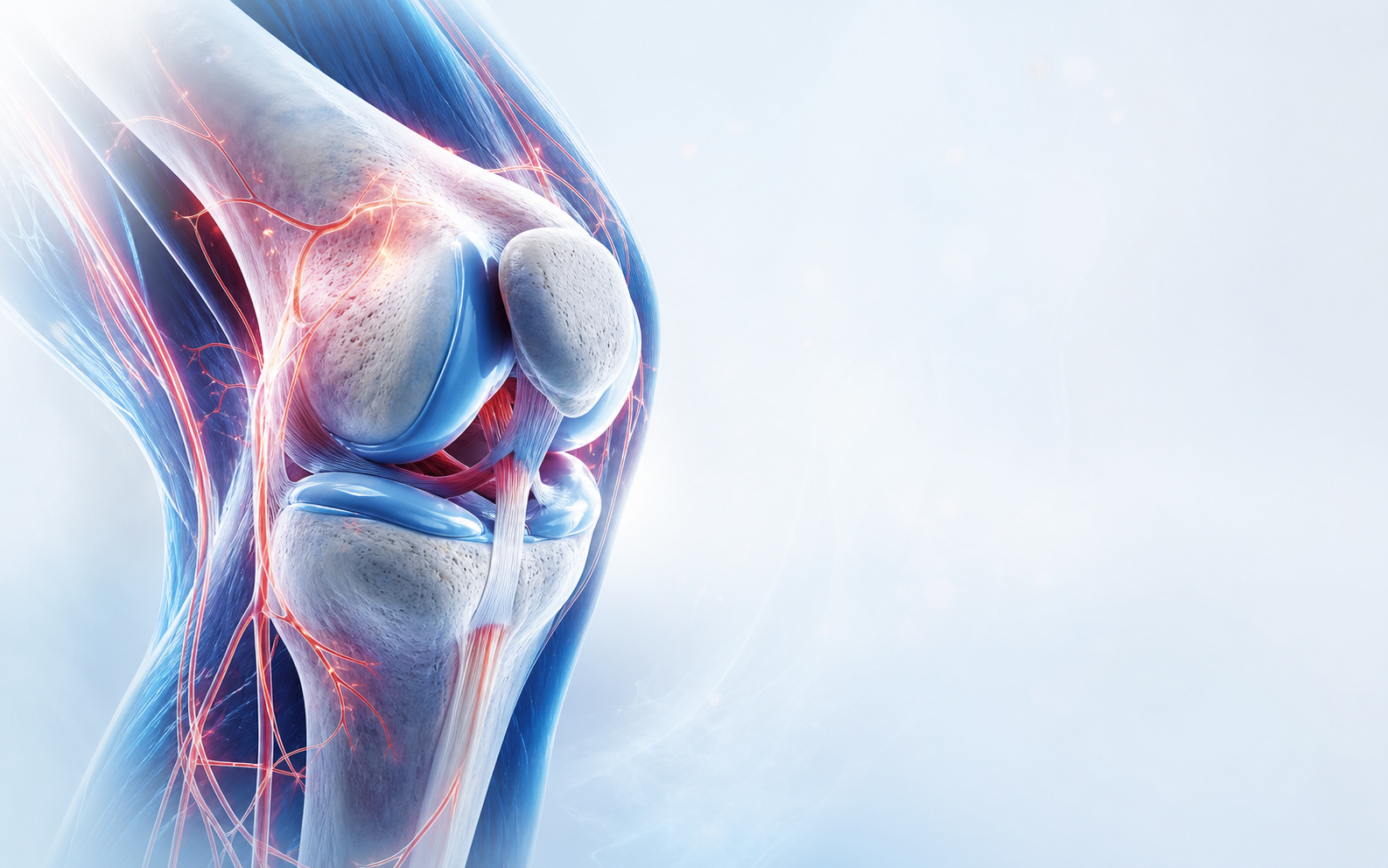
Common concerns I assess
You can describe the problem in your own words.
These are common reasons people arrange an orthopaedic consultation. A proper assessment helps us understand what may be causing the symptoms and which next step makes sense.
Knee pain and swelling
Pain when walking, climbing stairs, bending or standing from a chair—especially when it keeps returning or limits your routine.
Stiffness or reduced movement
A joint feels tight, difficult to straighten or bend, or simply does not move as comfortably as it used to.
Clicking, catching or giving way
A knee catches, locks, feels unstable or gives way during activity—and you are no longer confident trusting the movement.
Fractures and injuries
Assessment and follow-up after a fall, accident, twist or direct impact, with healing, alignment and function kept in view.
Sports and soft-tissue injuries
Pain, swelling or instability after sport or sudden movement, including concerns that affect confidence returning to activity.
Arthritis and joint wear
Ongoing pain and stiffness that begin to affect walking, sleep, independence or the activities you enjoy.
Limb alignment or deformity
Concerns about bow legs, knock knees, uneven loading or limb shape that may be linked to pain and movement.
Recovery or a second opinion
When progress after an injury or treatment feels unclear, or you want help understanding existing scans, findings or options.
Start with the feeling
Small details can help tell the bigger story.
Notice when the problem appears and what it changes. You do not need to test yourself—just share what you have already noticed in daily life.
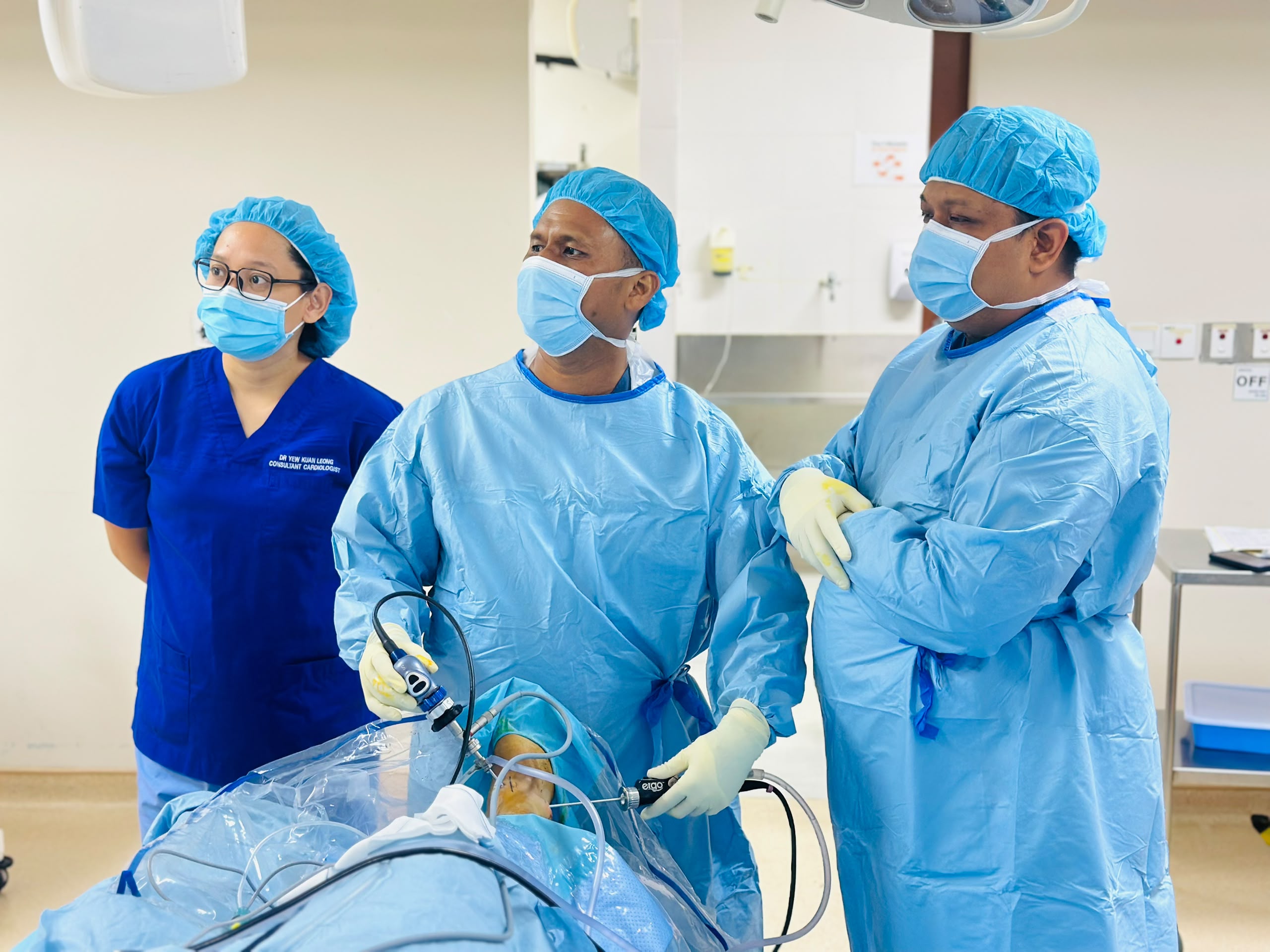
The problem is only part of the picture
Tell me what the symptoms are changing in your life.
Two people can have a similar scan but very different concerns. I’ll want to understand what matters to you—not only what appears on an image.
- What movement or activity has become difficult?
- What worries you most about the problem?
- What would a meaningful improvement look like?
- What questions do you want answered before deciding anything?
What happens next
We work from symptoms to a clear plan.
Your story first
We talk about what you feel, when it began and how it affects your day.
Look at the whole picture
Examination and relevant investigations help us understand the likely cause.
Make sense of it
I’ll explain the findings clearly and give you room to ask questions.
Choose the next step
We discuss practical options, including non-surgical care or surgery where appropriate.
Common questions
A few things you may be wondering.
Do I need to know my diagnosis before booking?
No. You can begin by describing the symptoms and what they are stopping you from doing. The consultation is there to help work out what may be happening.
Should I arrange a scan before the appointment?
Not necessarily. Bring any existing scans or reports if you have them. After listening and examining you, Dr Shaharil can explain whether further investigation may be useful.
Does seeing an orthopaedic surgeon mean I will need surgery?
No. The appropriate next step depends on the assessment. Options may include advice, rehabilitation, further investigation, an injection or a surgical discussion where suitable.
Can I come for a second opinion?
Yes. Bring the information you already have, such as scans, reports and previous treatment notes, and explain which parts still feel unclear.
Not sure where your problem fits?
That’s okay. Start by telling us what’s been happening.
The clinic team can help arrange a consultation with Dr Shaharil. You do not need to choose the right medical category first.
This page provides general information and does not replace an individual medical assessment. Treatment recommendations depend on your symptoms, examination and relevant investigations.