Patient guide
Preparing for knee arthroscopy includes confirming the indication, medicines, fasting and anaesthesia instructions, transport, home support and the expected weight-bearing and rehabilitation plan. Follow the hospital’s specific directions.
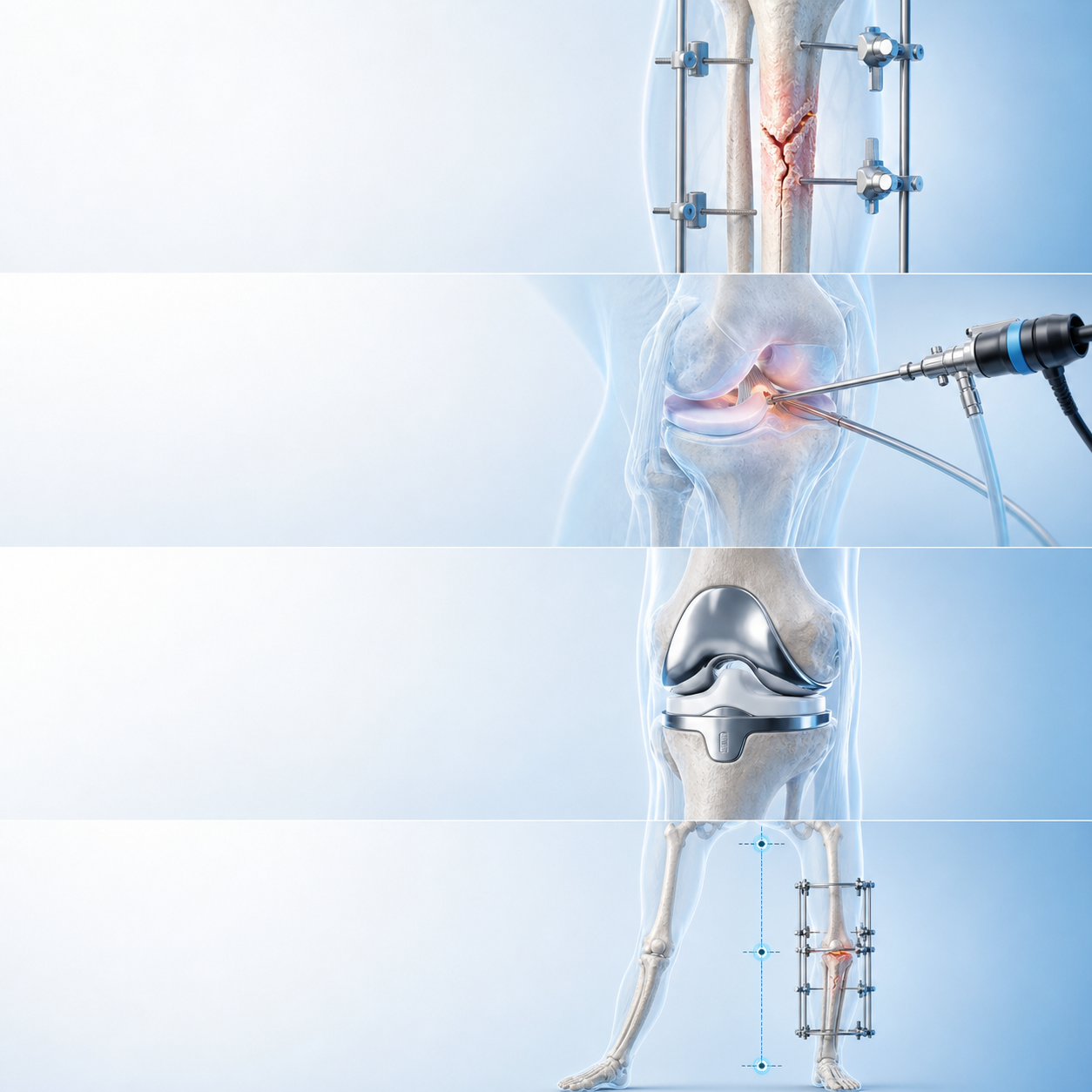
Short answer
Preparing for knee arthroscopy includes confirming the indication, medicines, fasting and anaesthesia instructions, transport, home support and the expected weight-bearing and rehabilitation plan. Follow the hospital’s specific directions.
This guide is provided by Dr Shaharil Orthopedic Specialist Clinic Seremban to help patients understand the specialist evaluation and decision process before an individual consultation.
Key takeaways
| Main point | Preparing for knee arthroscopy includes confirming the indication, medicines, fasting and anaesthesia instructions, transport, home support and the expected weight-bearing and rehabilitation plan. Follow the hospital’s specific directions. |
|---|---|
| Useful clues | Bring medication, allergy and medical history details and ask about blood thinners. |
| Specialist evaluation | Preoperative review confirms fitness and the planned procedure. |
| Possible pathway | Arrange crutches or equipment only when advised and understand wound and exercise instructions. |
| Important limit | Do not stop medicines or assume same-day driving based on general online guidance. |
For the complete specialist pathway, clinical features assessed and appointment information, read about preparing for knee arthroscopy in Seremban.
Define the injury or procedure question clearly
Preparing for knee arthroscopy includes confirming the indication, medicines, fasting and anaesthesia instructions, transport, home support and the expected weight-bearing and rehabilitation plan. Follow the hospital’s specific directions. Bring medication, allergy and medical history details and ask about blood thinners.
Words such as tear, keyhole, instability and sports injury cover very different problems. The useful starting point is the mechanism, exact symptom, functional loss and what has already been tried.
Match clinical features with examination
Preoperative review confirms fitness and the planned procedure. Associated ligament, cartilage, bone, tendon and kneecap problems may change care strategy.
Clinical tests have limitations. They are interpreted together and compared with the movements that matter for work, exercise and sport.
Use imaging for a reason
X-rays can show bone, alignment and arthritis. MRI may help with selected soft-tissue questions, but findings such as degenerative meniscus change can occur without being the main cause of pain.
Radiological evaluation is most useful when it confirms a suspected treatable problem or changes rehabilitation, surgical planning or the need for another pathway.
Start with the least invasive suitable pathway
Arrange crutches or equipment only when advised and understand wound and exercise instructions. A structured rehabilitation trial should have clear goals, appropriate progression and a review point.
Surgery is not automatically the faster choice. Recovery after repair, reconstruction or arthroscopy still requires tissue healing and rehabilitation, and restrictions depend on what was done.
When a procedure may be reasonable
A procedure is considered when there is a defined diagnosis, clinical features and function match it, reasonable alternatives have been discussed and expected benefit outweighs risk.
For meniscus problems, tear pattern, blood supply, age of injury, tissue quality and associated damage can affect whether repair, trimming or non-surgical care is discussed.
Plan return to activity with criteria
Return is safer when movement, strength, balance, confidence and sport-specific control have recovered adequately. Time is one input, not the only clearance test.
Progress training load gradually and monitor the response during the following day. Recurrent swelling, instability or loss of movement means care strategy needs reassessment rather than harder training.
Keep expectations and limitations visible
Do not stop medicines or assume same-day driving based on general online guidance. Small incisions do not remove anaesthetic, infection, blood-clot, stiffness or persistent-symptom risks.
This judgement should explain what the chosen care pathway cannot fix. Arthritis, referred pain and deconditioning may require separate management even when a focal injury is treated.
Know when to seek help
The intended outcome of this process is to connect the clinical findings with the movement, work, family responsibilities or activity that matters to you. A care strategy should state what to do now, how long to try it and what would trigger review.
After an injury or procedure, worsening pain, a locked knee, fever, wound drainage, calf swelling, chest pain, breathlessness or new numbness requires timely medical advice.
Separate return to participation from full performance
Returning to modified training, completing a full practice and competing at previous intensity are different milestones. For knee arthroscopy preparation, define the cutting, landing, running, kneeling, lifting or endurance demands that the knee must tolerate, then rebuild them in a controlled order.
Monitor the immediate response and the next twenty-four hours. Pain, swelling, loss of movement, instability or reduced control after a progression may mean the load advanced too quickly or the diagnosis needs review. Confidence matters, but confidence should grow alongside strength, movement quality and tissue healing rather than replace them.
How to use the consultation well
Bring the questions that would change your decision, not only a request for a scan or procedure. Ask what diagnosis is most likely, what else is being considered, which finding supports care strategy and what improvement would count as meaningful. For knee arthroscopy preparation, it is also helpful to ask what you can safely continue while the specialist evaluation or care pathway is in progress.
Before leaving, confirm the review point and the safety net. Patients should know who will explain any test result, how long the agreed care pathway deserves, which activities should be modified and which new clinical features need earlier contact. Write care strategy down or ask for it in a form you can understand; uncertainty is easier to manage when the next decision is explicit.
What a responsible plan should contain
A specialist evaluation-led plan for knee arthroscopy preparation should name the working diagnosis, acknowledge important uncertainty and connect each recommendation with a purpose. It should explain expected benefit, relevant harms, alternatives, practical demands and what may happen if care pathway is delayed or declined. When a test is suggested, ask which question it is meant to answer and how each possible result would change the next step.
Care strategy should also respect individual health, work, caregiving, financial and activity circumstances without turning those factors into guarantees. Confirm the review date, the measures of progress and the warning signs that override the routine timeline. Clear safety-netting protects patients from waiting too long when the pattern changes, while a defined follow-up prevents unnecessary escalation when recovery is proceeding appropriately.
What clinical guidance supports
The AAOS OrthoInfo — Knee Arthroscopy describes arthroscopy as a camera-based procedure for selected joint problems rather than a diagnosis in itself.
The AAOS OrthoInfo — Meniscus Tears and AAOS — Acute Isolated Meniscal Pathology Guideline show why tear pattern, clinical features, repairability and patient factors matter in meniscus decisions.
NICE — Arthroscopic procedures in osteoarthritis advises against arthroscopic lavage or debridement for osteoarthritis pain alone, while AAOS OrthoInfo — Knee Conditioning Program supports progressive conditioning when appropriate.
When to seek urgent care
Active infection, new illness or worsening clinical features should be reported before surgery.
Frequently asked questions
Can knee arthroscopy preparation be diagnosed from this symptom alone?
No. Do not stop medicines or assume same-day driving based on general online guidance. A focused history and examination are needed before choosing care pathway.
What should make me seek help sooner?
Active infection, new illness or worsening clinical features should be reported before surgery.
How long should improvement take?
There is no universal deadline. The diagnosis, severity, health, care pathway and functional demands affect progress; agree on a review point rather than waiting indefinitely.
Do I need an MRI?
Not automatically. Radiological evaluation depends on the history, examination, previous results and whether the answer could change care pathway.
Should I stop all activity?
Avoid unsafe or sharply aggravating movement, but complete rest is not always helpful. The safe level depends on the diagnosis and severity.
Can I take pain medicine?
Ask a doctor or pharmacist what is safe for you, especially with kidney, stomach, liver or heart conditions, pregnancy, blood thinners or other medicines.
Does seeing an orthopaedic surgeon mean surgery?
No. Orthopaedic specialist evaluation includes diagnosis, non-surgical planning, monitoring and referral as well as surgery when appropriate.
What should I bring to the appointment?
Bring a medicine and allergy list, existing images and reports, relevant care pathway notes and a short timeline of clinical features or injury.
Conclusion
Preparing for knee arthroscopy includes confirming the indication, medicines, fasting and anaesthesia instructions, transport, home support and the expected weight-bearing and rehabilitation plan. Follow the hospital’s specific directions. The safest next step is a proportionate specialist evaluation that connects the symptom or injury with your health, goals and the evidence. A useful plan should also say what would prompt earlier review.
Medical references
Let’s work out what comes next.
Tell the clinic what happened, what hurts and which movement has become difficult. The team can help arrange an appointment with Dr Shaharil.
WhatsApp for an appointmentThis information is general and does not replace an individual medical specialist evaluation, diagnosis or care pathway. If clinical features are severe, urgent or worsening, seek appropriate medical care promptly.
Leave a Reply