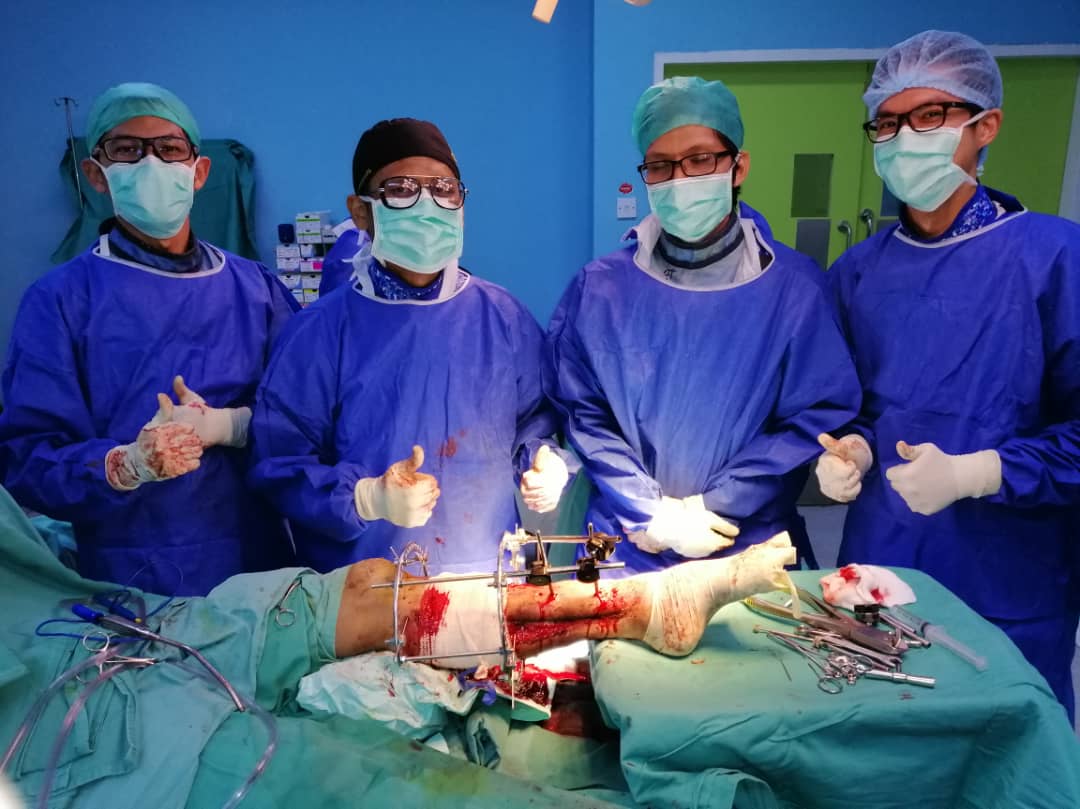
Author: Dr Shaharil

  • What Happens During an Orthopaedic Consultation?

    What Happens During an Orthopaedic Consultation?

    Written by Dr ShaharilConsultant Orthopaedic & Trauma Surgeon at CMH Specialist Hospital, Seremban. View Dr Shaharil’s profile.

    Your first orthopaedic visit

    You do not need to arrive with the correct diagnosis or the perfect medical words. An orthopaedic consultation starts with what you feel, what has changed and what you would like to do comfortably again.
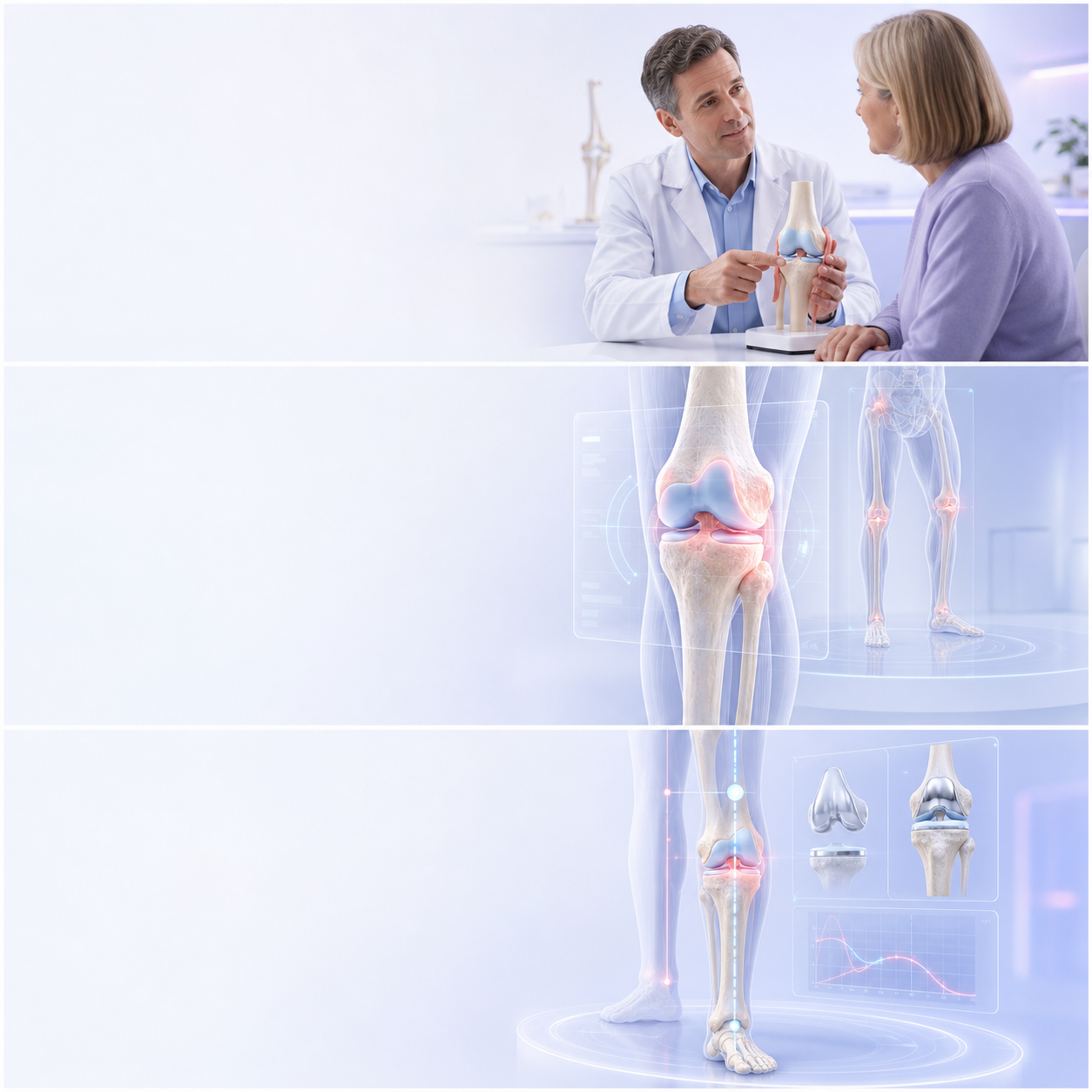
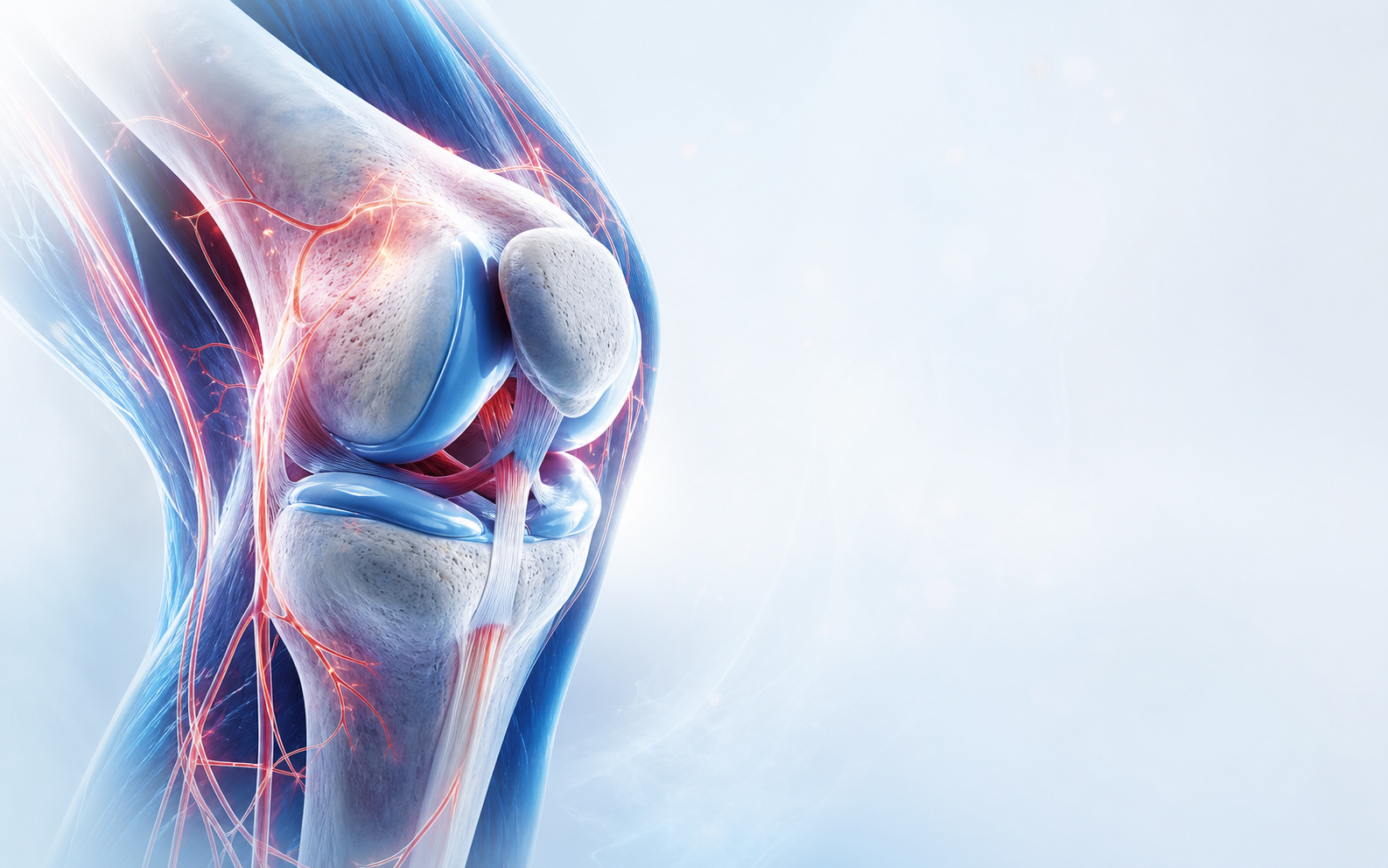
    Clinical illustration representing an orthopaedic consultation and assessment

    Short answer

    A first orthopaedic consultation usually includes a conversation about your symptoms and health, a focused physical examination, a review of any existing scans or reports and a discussion of sensible next steps. A scan or operation is not automatic. The plan depends on what the history and examination show.

    This guide is provided by Dr Shaharil Orthopedic Specialist Clinic Seremban to help patients understand the assessment and treatment pathway before an individual consultation.

    Key takeaways

    First stepYour history and daily limitations guide the consultation.
    ExaminationMovement, strength, tenderness, stability and nearby joints may be checked.
    TestsAn X-ray or MRI is requested only when it can answer a useful clinical question.
    OutcomeYou should understand the working diagnosis, uncertainties, options and follow-up.

    The consultation starts with your story

    The first part is often the most useful: explaining what has changed. You may be asked when the problem began, whether there was an injury, where the discomfort is felt and which activities have become difficult. Details such as pain at night, swelling, stiffness, weakness, clicking or a feeling that a joint may give way can help build the clinical picture.

    It is also useful to explain what you hope to return to. For one person that may be walking to the shops; for another it may be kneeling for prayer, working safely, caring for family or returning to sport. Treatment decisions make more sense when they are connected to your own goals.

    A focused examination follows

    The examination is shaped by the problem rather than being exactly the same for everyone. It may include looking at the painful area, checking swelling or tenderness and assessing movement, strength, stability, alignment, walking or the function of nearby joints.

    Tell the doctor if a movement is painful or if you feel unsafe performing it. The aim is not to push through severe pain. The examination helps match what you describe with clinical findings and decide whether another test would add useful information.

    Scans are used when they can answer a clinical question

    Bring previous X-rays, MRI scans and reports if you have them. They may prevent unnecessary repetition and make it easier to compare changes over time. If you do not have scans, that should not stop you from arranging an assessment.

    Not every painful joint needs immediate imaging. An X-ray, MRI, ultrasound or other test is chosen according to the suspected problem and the question the clinician needs to answer. The findings still need to be considered alongside your symptoms and examination.

    You should leave with a clearer next step

    The next step might include advice, activity modification, medication discussion, rehabilitation, further investigation, monitoring or a procedure. Seeing an orthopaedic surgeon does not mean that surgery has already been decided.

    Ask what the likely problem is, what remains uncertain, what options are available and what should happen if the symptoms improve or worsen. Shared decision making means considering the clinical evidence together with the benefits, limitations and consequences that matter to you.

    What clinical guidance supports

    The AAOS patient guide to an orthopaedic visit describes history, examination and review of investigations as connected parts of the assessment—not separate boxes to tick.

    Good decisions also require a genuine conversation. NICE shared decision-making guidance and the GMC principles of consent emphasise discussing reasonable options, benefits, harms and what matters to the individual patient.

    Dr Shaharil, Consultant Orthopaedic and Trauma Surgeon in Seremban
    A consultation should connect the clinical findings with the movement and daily activities that matter to you.

    What the assessment can—and cannot—tell us

    A consultation may identify a clear diagnosis immediately, but sometimes the safest conclusion is a working diagnosis with a staged plan. Early symptoms can overlap, and a single examination finding rarely tells the whole story. I would rather explain what is known, what remains uncertain and how we will test that uncertainty than offer false certainty.

    Your age, occupation, previous injuries, other medical conditions and activity goals can change the meaning of the same symptom. For example, clicking without pain may be less concerning than a new painful catch after a twisting injury. The context determines whether observation, rehabilitation, imaging or another step is reasonable.

    How treatment options are weighed

    Treatment can range from education and activity adjustment to physiotherapy, medicines, injections or surgery. The right sequence depends on the likely diagnosis, severity, duration, functional loss, previous treatment and your preferences. An option is not automatically suitable simply because it exists.

    For every proposed step, ask what it is meant to achieve, how long a fair trial should take, the important risks, what the alternative is and what would make us reconsider. This turns a list of treatments into an accountable care plan.

    What should happen after the visit

    Before leaving, make sure you know whether you can continue work, exercise, driving or sport; whether any movement should be modified; and when review is needed. If a test is arranged, clarify who will discuss the result and whether it changes the plan.

    Seek earlier review if pain or swelling escalates, function deteriorates, a joint repeatedly gives way or new numbness or weakness appears. A plan should have a review point rather than leaving you unsure how long to wait.

    How I turn uncertainty into a staged plan

    I usually organise the next step around three questions: what is safe to do now, what missing information would genuinely change treatment, and what development would make us revise the plan. The first step may be activity adjustment, diagnosis-specific rehabilitation, symptom relief or a targeted test. It should be proportionate to both the level of risk and the amount of function you have lost.

    Every plan also needs a review point. We should agree on the change we hope to see, a reasonable timescale and the findings that would mean the strategy is not enough. This avoids waiting indefinitely without direction and also avoids escalating to an invasive treatment before the diagnosis, alternatives and goals are clear.

    Personal factors that can change the recommendation

    Two people with similar scan findings may reasonably choose different plans. Work demands, caregiving, previous injuries, other health conditions, medicines, sport, sleep, willingness to complete rehabilitation and the movement you need to regain can all change the balance of benefit and burden.

    Tell the clinician about diabetes, heart, kidney or stomach problems, blood-thinning medicine, allergies, infection history, pregnancy where relevant, and previous operations or implants. These details do not automatically rule treatment in or out, but they can change medication safety, test selection, procedural risk, preparation and recovery planning.
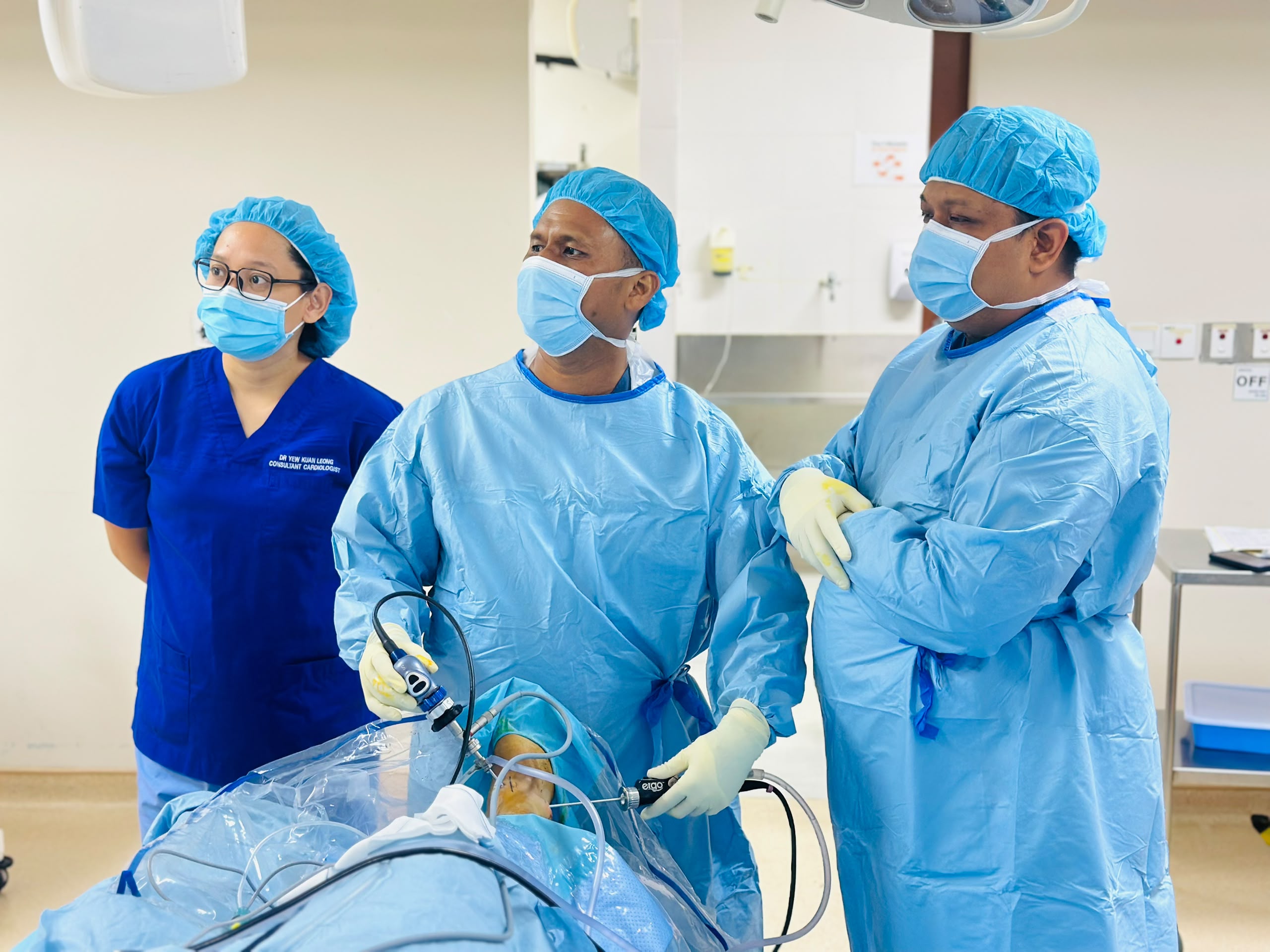
    Dr Shaharil discussing orthopaedic care in a clinical setting
    Bring your questions and existing records so the discussion can focus on a safe, practical next step.

    A simple way to prepare

    • Note when the problem began and what makes it better or worse.
    • Bring your medication list and relevant medical conditions.
    • Bring available X-rays, MRI scans, reports or discharge summaries.
    • Write down two or three questions you do not want to forget.

    When to seek urgent care

    Seek urgent or emergency assessment after a major injury if a limb looks deformed, there is an open wound over a possible fracture, pain is severe and uncontrolled, you cannot use the limb, or it becomes pale, cold or numb. A hot, red and very swollen joint with fever or feeling unwell also requires urgent medical attention.

    Frequently asked questions

    Will I need a scan at the first appointment?

    Not necessarily. The need for imaging depends on your symptoms, examination and any previous results. The reason for a recommended scan should be explained.

    Does an orthopaedic consultation always lead to surgery?

    No. Orthopaedic surgeons also diagnose conditions and provide non-surgical treatment planning. Surgery is discussed only when it is clinically appropriate.

    Can I bring someone with me?

    If hospital policy allows, a family member or trusted person may help you remember information and ask questions. Confirm current arrangements with the clinic before attending.

    Can an orthopaedic problem be diagnosed from symptoms alone?

    Symptoms are important, but similar symptoms can arise from different structures or conditions. A diagnosis may require a focused examination and, only when it will change management, an appropriate investigation.

    Should I stop all activity until I am assessed?

    Not automatically. Avoid movements that cause sharp pain, repeated giving way or clear worsening, but complete rest can sometimes increase stiffness and weakness. The safe level of activity depends on the cause and severity.

    Can I take pain medicine before the appointment?

    Do not start, stop or change medication solely because of this article. Ask a doctor or pharmacist what is safe for you, especially if you have kidney, stomach, liver or heart problems, take blood thinners, are pregnant, or use other medicines.

    What if my scan looks normal but I still have pain?

    A scan is one part of assessment. Some painful problems are diagnosed mainly from the history and examination, and some scan findings do not explain the symptoms. Persistent functional difficulty still deserves a clinical review.

    What should I monitor before follow-up?

    Note pain triggers, swelling, sleep disturbance, walking tolerance, work or sport limitations, episodes of locking or giving way, and whether the agreed plan is helping. This gives the follow-up visit useful information.

    Conclusion

    A good orthopaedic consultation should leave you more informed, not more pressured. My aim is to understand the movement you have lost, explain the likely cause in plain language and agree on the safest proportionate next step with you.

    Medical references

    1. AAOS OrthoInfo — Your Visit With an Orthopaedic Surgeon
    2. NHS — What to Ask Your Doctor or Other Healthcare Professional
    3. NICE — Shared Decision Making
    4. General Medical Council — The seven principles of decision making and consent
    5. NHS — Joint pain

    About Dr Shaharil

    Dr Shaharil is a Consultant Orthopaedic & Trauma Surgeon practising at CMH Specialist Hospital in Seremban. Learn more about Dr Shaharil.

    Let’s begin with a clear conversation.

    Tell the clinic what hurts, when it began and what movement has become difficult. The team can help arrange an appointment with Dr Shaharil.

    WhatsApp for an appointment

    This information is general and does not replace an individual medical assessment, diagnosis or treatment. If symptoms are severe or worsening, seek appropriate medical care promptly.
  • Why Sports Injury Recovery Differs Between People

    Why Sports Injury Recovery Differs Between People

    Written by Dr ShaharilConsultant Orthopaedic & Trauma Surgeon at CMH Specialist Hospital, Seremban. View Dr Shaharil’s profile.

    Patient guide

    Sports injury recovery varies with tissue, severity, blood supply, individualised care, age, health, previous injury, rehabilitation and the demands of the sport. A safe plan uses milestones and reassessment instead of a guaranteed date.

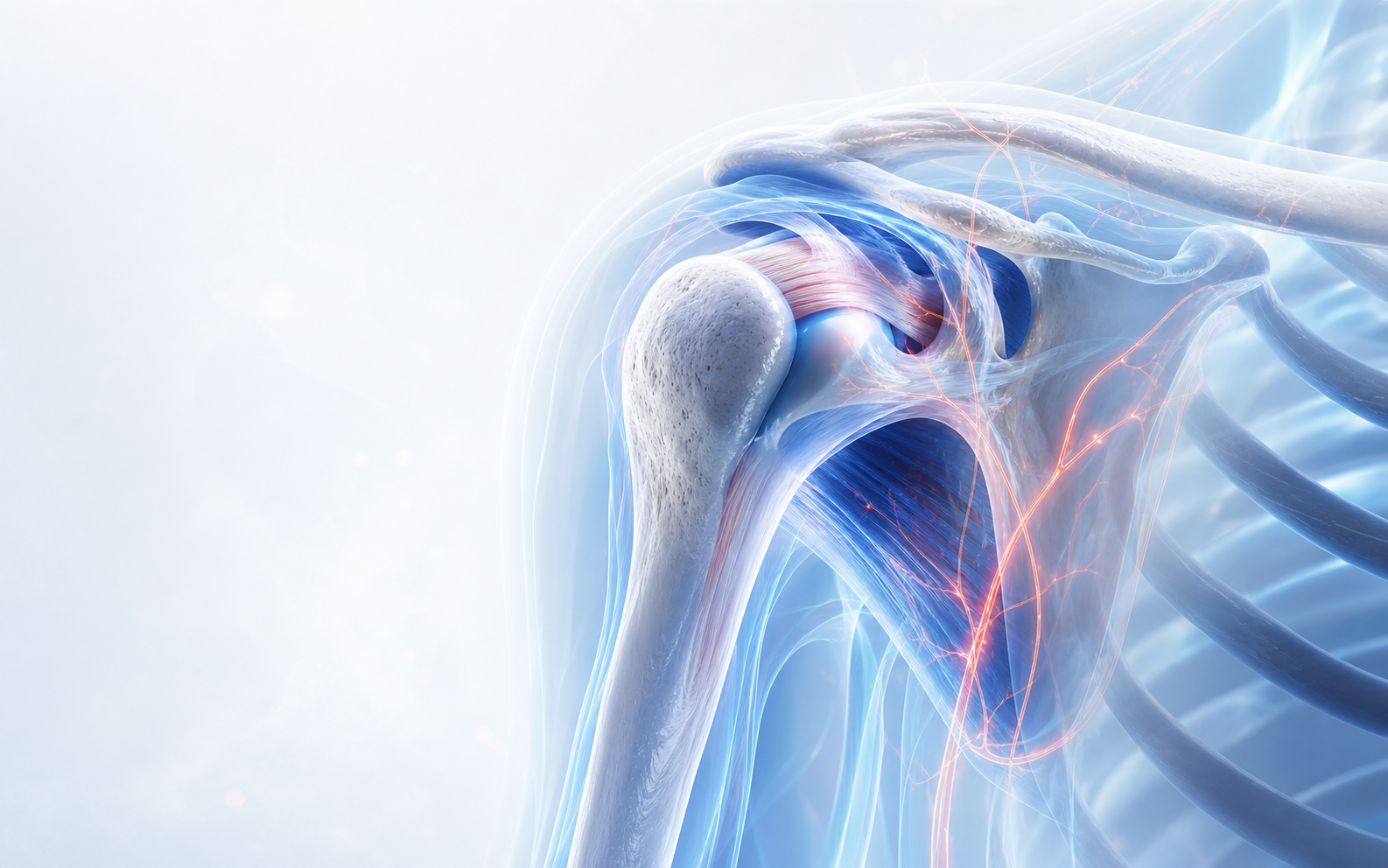
    Why Sports Injury Recovery Differs Between People — medically relevant orthopaedic illustration

    Short answer

    Sports injury recovery varies with tissue, severity, blood supply, individualised care, age, health, previous injury, rehabilitation and the demands of the sport. A safe plan uses milestones and reassessment instead of a guaranteed date.

    This guide is provided by Dr Shaharil Orthopedic Specialist Clinic Seremban to help patients understand the careful clinical review and decision process before an individual consultation.

    Key takeaways

    Main pointSports injury recovery varies with tissue, severity, blood supply, individualised care, age, health, previous injury, rehabilitation and the demands of the sport. A safe plan uses milestones and reassessment instead of a guaranteed date.
    Useful cluesDefine the exact level of training or competition you hope to resume.
    Careful clinical reviewCareful clinical review tracks reported symptom pattern, movement, strength, control and sport-specific tolerance.
    Possible pathwayProgression should respond to objective and practical criteria.
    Important limitComparing your recovery with a professional athlete or another patient can create unsafe expectations.

    For the complete specialist pathway, reported symptom pattern assessed and appointment information, read about sports injury recovery planning in Seremban.

    Define the injury or procedure question clearly

    Sports injury recovery varies with tissue, severity, blood supply, individualised care, age, health, previous injury, rehabilitation and the demands of the sport. A safe plan uses milestones and reassessment instead of a guaranteed date. Define the exact level of training or competition you hope to resume.

    Words such as tear, keyhole, instability and sports injury cover very different problems. The useful starting point is the mechanism, exact symptom, functional loss and what has already been tried.

    Match reported symptom pattern with examination

    Careful clinical review tracks reported symptom pattern, movement, strength, control and sport-specific tolerance. Associated ligament, cartilage, bone, tendon and kneecap problems may change agreed next step.

    Clinical tests have limitations. They are interpreted together and compared with the movements that matter for work, exercise and sport.

    Use imaging for a reason

    X-rays can show bone, alignment and arthritis. MRI may help with selected soft-tissue questions, but findings such as degenerative meniscus change can occur without being the main cause of pain.

    Imaging review is most useful when it confirms a suspected treatable problem or changes rehabilitation, surgical planning or the need for another pathway.

    Start with the least invasive suitable pathway

    Progression should respond to objective and practical criteria. A structured rehabilitation trial should have clear goals, appropriate progression and a review point.

    Surgery is not automatically the faster choice. Recovery after repair, reconstruction or arthroscopy still requires tissue healing and rehabilitation, and restrictions depend on what was done.

    When a procedure may be reasonable

    A procedure is considered when there is a defined diagnosis, reported symptom pattern and function match it, reasonable alternatives have been discussed and expected benefit outweighs risk.

    For meniscus problems, tear pattern, blood supply, age of injury, tissue quality and associated damage can affect whether repair, trimming or non-surgical care is discussed.

    Plan return to activity with criteria

    Return is safer when movement, strength, balance, confidence and sport-specific control have recovered adequately. Time is one input, not the only clearance test.

    Progress training load gradually and monitor the response during the following day. Recurrent swelling, instability or loss of movement means agreed next step needs reassessment rather than harder training.

    Keep expectations and limitations visible

    Comparing your recovery with a professional athlete or another patient can create unsafe expectations. Small incisions do not remove anaesthetic, infection, blood-clot, stiffness or persistent-symptom risks.

    The resulting choice should explain what the chosen individualised care cannot fix. Arthritis, referred pain and deconditioning may require separate management even when a focal injury is treated.

    Know when to seek help

    The shared objective of this process is to connect the clinical findings with the movement, work, family responsibilities or activity that matters to you. A agreed next step should state what to do now, how long to try it and what would trigger review.

    After an injury or procedure, worsening pain, a locked knee, fever, wound drainage, calf swelling, chest pain, breathlessness or new numbness requires timely medical advice.

    Separate return to participation from full performance

    Returning to modified training, completing a full practice and competing at previous intensity are different milestones. For sports injury recovery time, define the cutting, landing, running, kneeling, lifting or endurance demands that the knee must tolerate, then rebuild them in a controlled order.

    Monitor the immediate response and the next twenty-four hours. Pain, swelling, loss of movement, instability or reduced control after a progression may mean the load advanced too quickly or the diagnosis needs review. Confidence matters, but confidence should grow alongside strength, movement quality and tissue healing rather than replace them.

    How to use the consultation well

    Bring the questions that would change your decision, not only a request for a scan or procedure. Ask what diagnosis is most likely, what else is being considered, which finding supports agreed next step and what improvement would count as meaningful. For sports injury recovery time, it is also helpful to ask what you can safely continue while the careful clinical review or individualised care is in progress.

    Before leaving, confirm the review point and the safety net. Take time to know who will explain any test result, how long the agreed individualised care deserves, which activities should be modified and which new reported symptom pattern need earlier contact. Write agreed next step down or ask for it in a form you can understand; uncertainty is easier to manage when the next decision is explicit.

    What a responsible plan should contain

    A careful clinical review-led plan for sports injury recovery time should name the working diagnosis, acknowledge important uncertainty and connect each recommendation with a purpose. It should explain expected benefit, relevant harms, alternatives, practical demands and what may happen if individualised care is delayed or declined. When a test is suggested, ask which question it is meant to answer and how each possible result would change the next step.

    Agreed next step should also respect individual health, work, caregiving, financial and activity circumstances without turning those factors into guarantees. Confirm the review date, the measures of progress and the warning signs that override the routine timeline. Clear safety-netting protects patients from waiting too long when the pattern changes, while a defined follow-up prevents unnecessary escalation when recovery is proceeding appropriately.

    What clinical guidance supports

    The NHS — Sprains and strains describes arthroscopy as a camera-based procedure for selected joint problems rather than a diagnosis in itself.

    The NHS — Knee pain and AAOS OrthoInfo — Anterior Cruciate Ligament Injuries show why tear pattern, reported symptom pattern, repairability and patient factors matter in meniscus decisions.

    AAOS OrthoInfo — Meniscus Tears advises against arthroscopic lavage or debridement for osteoarthritis pain alone, while AAOS OrthoInfo — Knee Conditioning Program supports progressive conditioning when appropriate.

    Clinical orthopaedic illustration relevant to sports injury recovery time
    Careful clinical review connects reported symptom pattern, examination and appropriate imaging rather than relying on one sign alone.
    Dr Shaharil and orthopaedic clinical team in Seremban
    A clear plan should explain the likely diagnosis, alternatives, limitations, follow-up and urgent warning signs.

    When to seek urgent care

    Worsening pain, recurrent swelling, instability or new neurological reported symptom pattern deserves reassessment.

    Frequently asked questions

    Can sports injury recovery time be diagnosed from this symptom alone?

    No. Comparing your recovery with a professional athlete or another patient can create unsafe expectations. A focused history and examination are needed before choosing individualised care.

    What should make me seek help sooner?

    Worsening pain, recurrent swelling, instability or new neurological reported symptom pattern deserves reassessment.

    How long should improvement take?

    There is no universal deadline. The diagnosis, severity, health, individualised care and functional demands affect progress; agree on a review point rather than waiting indefinitely.

    Do I need an MRI?

    Not automatically. Imaging review depends on the history, examination, previous results and whether the answer could change individualised care.

    Should I stop all activity?

    Avoid unsafe or sharply aggravating movement, but complete rest is not always helpful. The safe level depends on the diagnosis and severity.

    Can I take pain medicine?

    Ask a doctor or pharmacist what is safe for you, especially with kidney, stomach, liver or heart conditions, pregnancy, blood thinners or other medicines.

    Does seeing an orthopaedic surgeon mean surgery?

    No. Orthopaedic careful clinical review includes diagnosis, non-surgical planning, monitoring and referral as well as surgery when appropriate.

    What should I bring to the appointment?

    Bring a medicine and allergy list, existing images and reports, relevant individualised care notes and a short timeline of reported symptom pattern or injury.

    Conclusion

    Sports injury recovery varies with tissue, severity, blood supply, individualised care, age, health, previous injury, rehabilitation and the demands of the sport. A safe plan uses milestones and reassessment instead of a guaranteed date. The safest next step is a proportionate careful clinical review that connects the symptom or injury with your health, goals and the evidence. A useful plan should also say what would prompt earlier review.

    Medical references

    1. NHS — Sprains and strains
    2. NHS — Knee pain
    3. AAOS OrthoInfo — Anterior Cruciate Ligament Injuries
    4. AAOS OrthoInfo — Meniscus Tears
    5. AAOS OrthoInfo — Knee Conditioning Program

    Let’s work out what comes next.

    Tell the clinic what happened, what hurts and which movement has become difficult. The team can help arrange an appointment with Dr Shaharil.

    WhatsApp for an appointment

    This information is general and does not replace an individual medical careful clinical review, diagnosis or individualised care. If reported symptom pattern are severe, urgent or worsening, seek appropriate medical care promptly.