When knee pain deserves a closer look
A sore knee after unusual activity may settle. Pain that persists, repeatedly returns or changes how you walk, work, sleep or exercise deserves a more careful assessment.
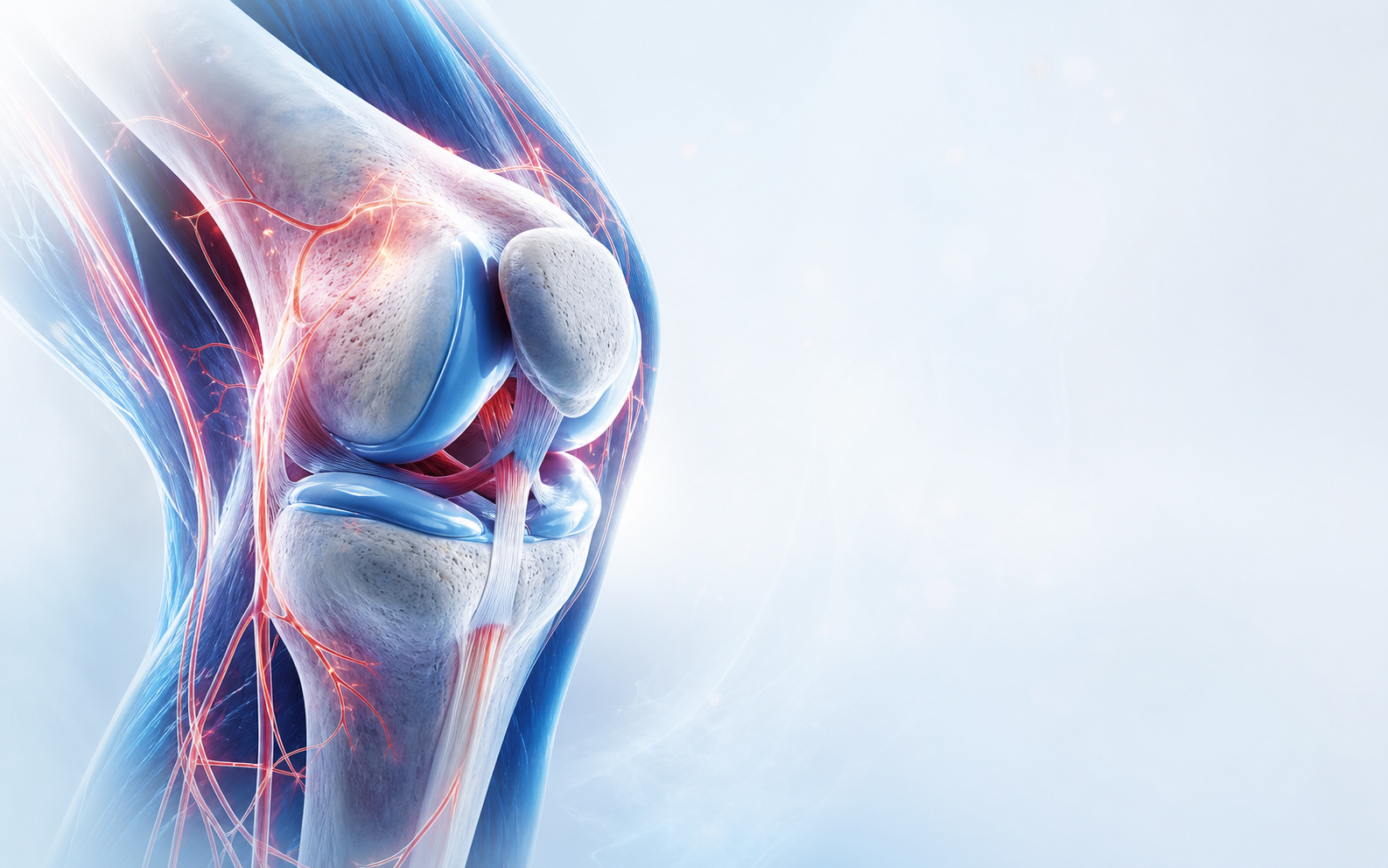
Short answer
Consider specialist assessment when knee pain does not improve as expected, keeps returning, limits daily activities or occurs with significant swelling, stiffness, locking, catching or giving way. Pain after a major injury, inability to bear weight or a hot swollen knee with fever needs urgent care.
This guide is provided by Dr Shaharil Orthopedic Specialist Clinic Seremban to help patients understand the assessment and treatment pathway before an individual consultation.
Key takeaways
| Book assessment | When pain persists, recurs, worsens or limits walking, stairs, sleep, work or sport. |
|---|---|
| Earlier review | After trauma, repeated swelling, true locking, instability or loss of movement. |
| Urgent care | For deformity, inability to bear weight, a hot swollen knee with fever, or numbness after injury. |
| Imaging | Not every knee needs an MRI; the clinical question determines the test. |
Persistence and function are useful clues
There is no single number of painful days that applies to everyone. The trend matters: is the knee gradually improving, or is it staying painful despite sensible initial care? Pain that repeatedly interrupts sleep, walking, stairs, prayer positions, work or exercise may need assessment.
A consultation may also help if the pain improves briefly and then returns whenever you resume normal activity. That pattern can guide the examination and discussion about rehabilitation or further investigation.
Look beyond pain alone
Swelling, stiffness, reduced movement, grinding, locking, catching and giving way provide additional information. These symptoms can occur with several different conditions, so they should not be used to diagnose yourself.
Describe where you feel the pain, which movement triggers it and whether there was a twist, fall or sudden change of direction. Also mention previous injuries, operations and how confident you feel putting weight through the knee.
Injury-related knee pain may need earlier review
After a significant injury, seek earlier assessment if swelling develops quickly, you cannot fully straighten the knee, it repeatedly gives way or you cannot walk safely. A clinician may need to consider bone, ligament, tendon, meniscus or cartilage injury.
Not every injury requires MRI or surgery. The history and physical examination help decide which tests, if any, are appropriate and whether initial non-surgical treatment is reasonable.
What the knee assessment may include
The clinician may examine swelling, tenderness, movement, stability, alignment, muscle strength and walking. Existing X-rays or MRI scans are reviewed alongside these findings rather than treated as a diagnosis on their own.
The plan may include education, activity changes, rehabilitation, medication discussion, further imaging, monitoring or a procedure when clinically appropriate. The purpose is to match the treatment to the cause and to your functional goals.
What clinical guidance supports
The NHS knee-pain guidance recommends review when pain does not improve, while urgent assessment is advised for severe pain, inability to move or bear weight, major swelling or deformity, or a hot red knee with fever.
For long-standing knee pain, the ACR appropriateness criteria commonly place knee radiographs before MRI. NICE osteoarthritis guidance also cautions against routine imaging when the clinical pattern is typical because management should be guided by symptoms and function.
The pattern matters more than one pain score
Pain at the front of the knee during stairs may suggest a different loading pattern from pain along the joint line after a twist. Morning stiffness, swelling, night symptoms, catching, instability and the ability to fully straighten the knee help narrow the possibilities.
The hip, back, foot and walking pattern may also be relevant. Knee pain can be influenced by strength, alignment, workload and referred symptoms, so assessment should not focus only on the exact spot that hurts.
What an orthopaedic knee assessment may include
The examination may look at swelling, tenderness, range of motion, muscle strength, ligament stability, meniscal signs, alignment and gait. Findings are interpreted with the injury mechanism, duration and functional goals.
If imaging is needed, an X-ray can answer many bone, alignment and arthritis questions. MRI is more likely when a soft-tissue injury or internal derangement remains clinically important and the result would change treatment.
Treatment is matched to the cause and goal
Many knee problems improve with a structured non-surgical plan: load adjustment, progressive strength and mobility work, rehabilitation and appropriate symptom relief. The plan should be specific enough to review, rather than the vague instruction to ‘rest until better’.
Procedures are considered for selected problems, not for pain alone. The likely benefit must be weighed against risk, recovery, work and family demands, and reasonable alternatives.
How I turn uncertainty into a staged plan
I usually organise the next step around three questions: what is safe to do now, what missing information would genuinely change treatment, and what development would make us revise the plan. The first step may be activity adjustment, diagnosis-specific rehabilitation, symptom relief or a targeted test. It should be proportionate to both the level of risk and the amount of function you have lost.
Every plan also needs a review point. We should agree on the change we hope to see, a reasonable timescale and the findings that would mean the strategy is not enough. This avoids waiting indefinitely without direction and also avoids escalating to an invasive treatment before the diagnosis, alternatives and goals are clear.
Personal factors that can change the recommendation
Two people with similar scan findings may reasonably choose different plans. Work demands, caregiving, previous injuries, other health conditions, medicines, sport, sleep, willingness to complete rehabilitation and the movement you need to regain can all change the balance of benefit and burden.
Tell the clinician about diabetes, heart, kidney or stomach problems, blood-thinning medicine, allergies, infection history, pregnancy where relevant, and previous operations or implants. These details do not automatically rule treatment in or out, but they can change medication safety, test selection, procedural risk, preparation and recovery planning.

Arrange assessment when knee pain
- Persists or repeatedly returns.
- Limits walking, stairs, work, sleep or exercise.
- Comes with recurrent swelling or loss of movement.
- Makes the knee lock, catch or give way.
- Follows a significant injury or is not recovering as expected.
When to seek urgent care
Seek urgent care if the knee is badly swollen or deformed, you cannot move it or bear weight, it is locked and cannot straighten, or it becomes hot and red while you have fever or feel unwell.
Frequently asked questions
Does clicking mean my knee is damaged?
Painless clicking can occur without a serious problem. Painful clicking, locking, swelling or instability deserves assessment, especially if it affects function.
Will I need an MRI?
Not automatically. Imaging depends on the history, examination, suspected problem and whether the result could change management.
Can knee pain be treated without surgery?
Many knee conditions have non-surgical treatment options. The appropriate plan depends on the diagnosis, severity and your goals.
Can the cause of knee pain be diagnosed from symptoms alone?
Symptoms are important, but similar symptoms can arise from different structures or conditions. A diagnosis may require a focused examination and, only when it will change management, an appropriate investigation.
Should I stop all activity until I am assessed?
Not automatically. Avoid movements that cause sharp pain, repeated giving way or clear worsening, but complete rest can sometimes increase stiffness and weakness. The safe level of activity depends on the cause and severity.
Can I take pain medicine before the appointment?
Do not start, stop or change medication solely because of this article. Ask a doctor or pharmacist what is safe for you, especially if you have kidney, stomach, liver or heart problems, take blood thinners, are pregnant, or use other medicines.
What if my scan looks normal but I still have pain?
A scan is one part of assessment. Some painful problems are diagnosed mainly from the history and examination, and some scan findings do not explain the symptoms. Persistent functional difficulty still deserves a clinical review.
What should I monitor before follow-up?
Note pain triggers, swelling, sleep disturbance, walking tolerance, work or sport limitations, episodes of locking or giving way, and whether the agreed plan is helping. This gives the follow-up visit useful information.
Conclusion
Knee pain deserves specialist assessment when it is persistent, mechanically disruptive, unstable, swollen or function-limiting—not only when it becomes unbearable. Early clarity can help you choose an appropriate level of treatment.
Medical references
About Dr Shaharil
Dr Shaharil is a Consultant Orthopaedic & Trauma Surgeon practising at CMH Specialist Hospital in Seremban. Learn more about Dr Shaharil.
Let’s begin with a clear conversation.
Tell the clinic what hurts, when it began and what movement has become difficult. The team can help arrange an appointment with Dr Shaharil.
WhatsApp for an appointmentThis information is general and does not replace an individual medical assessment, diagnosis or treatment. If symptoms are severe or worsening, seek appropriate medical care promptly.
Leave a Reply