Patient guide
Front-of-knee pain may arise from the kneecap joint, tendons, surrounding soft tissues or referred loading patterns. Activities such as stairs, squatting, running and prolonged sitting help shape the specialist evaluation.
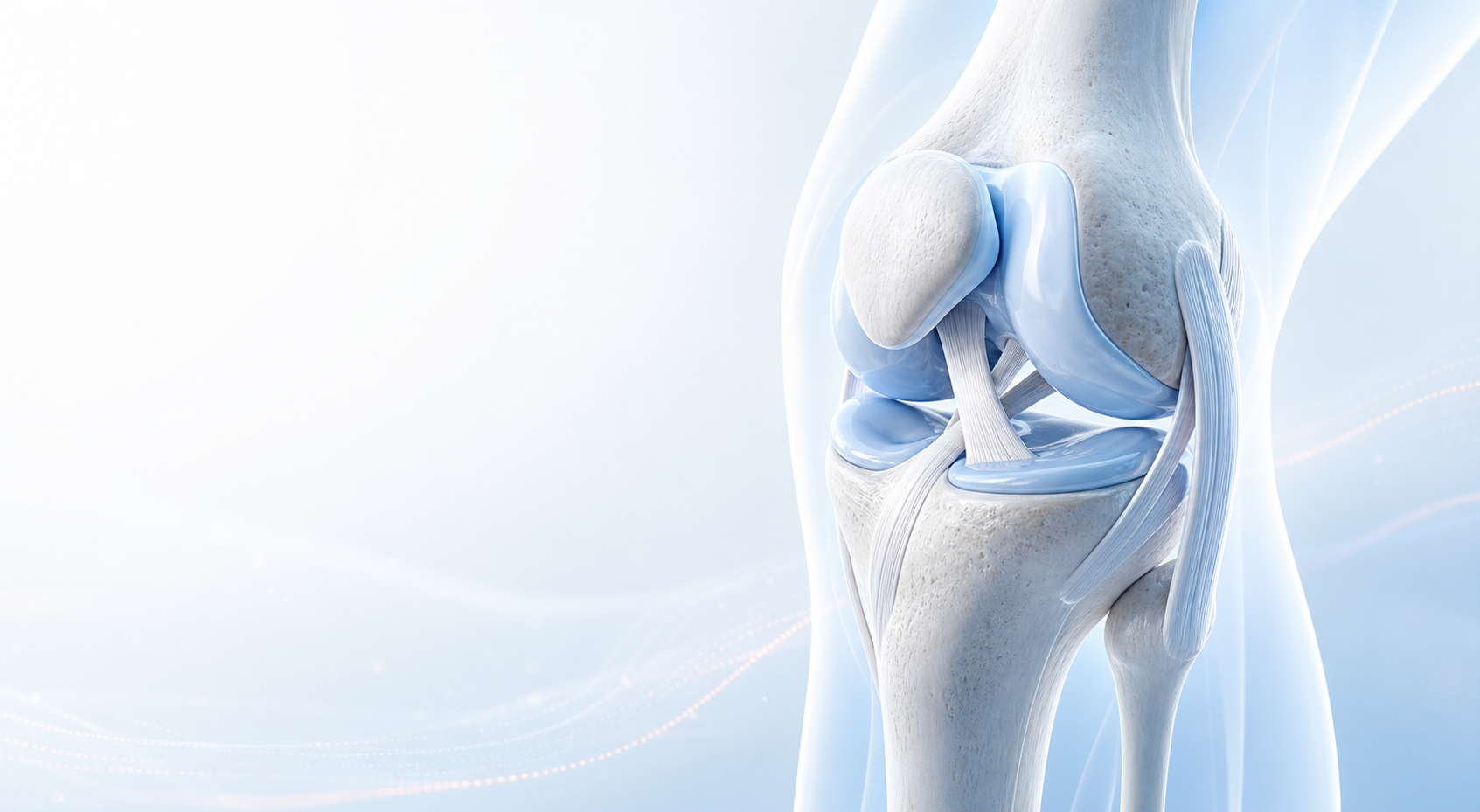
Short answer
Front-of-knee pain may arise from the kneecap joint, tendons, surrounding soft tissues or referred loading patterns. Activities such as stairs, squatting, running and prolonged sitting help shape the specialist evaluation.
This guide is provided by Dr Shaharil Orthopedic Specialist Clinic Seremban to help patients understand the specialist evaluation and decision process before an individual consultation.
Key takeaways
| Main point | Front-of-knee pain may arise from the kneecap joint, tendons, surrounding soft tissues or referred loading patterns. Activities such as stairs, squatting, running and prolonged sitting help shape the specialist evaluation. |
|---|---|
| Useful clues | Note whether pain is above, below or around the kneecap, and whether there is clicking, swelling or a recent increase in training. |
| Specialist evaluation | Specialist evaluation may include kneecap tracking, tendon tenderness, hip and thigh control, flexibility and functional movements. |
| Possible pathway | A graded rehabilitation plan is often important; imaging is reserved for a clear question or a pattern that is not improving as expected. |
| Important limit | Front knee pain is not one diagnosis and cannot be treated safely by copying a generic exercise list without specialist evaluation. |
For the complete specialist pathway, clinical features assessed and appointment information, read about front knee pain specialist evaluation in Seremban.
Start with the exact pattern, not a guessed diagnosis
Front-of-knee pain may arise from the kneecap joint, tendons, surrounding soft tissues or referred loading patterns. Activities such as stairs, squatting, running and prolonged sitting help shape the specialist evaluation. Note whether pain is above, below or around the kneecap, and whether there is clicking, swelling or a recent increase in training.
The pattern over time matters as much as the pain score. Note what you can no longer do, what remains possible and whether the symptom is improving, stable or gradually becoming more restrictive.
Why one symptom can have several causes
Knee clinical features overlap because bone, cartilage, meniscus, ligaments, tendons, bursae, muscles and referred pain can produce similar experiences. Age and activity can shift probabilities, but they do not replace an examination.
Avoid naming the condition from one movement or an online checklist. A useful description is specific: where it hurts, which direction or load triggers it, what happens afterwards and whether swelling, stiffness, locking or instability accompanies it.
What to record before the appointment
Note whether pain is above, below or around the kneecap, and whether there is clicking, swelling or a recent increase in training. A short dated note or photograph of intermittent swelling can be more useful than trying to remember every detail in clinic.
Include prior injuries, operations, medicines, exercise changes and care pathway already tried. Explain the effect on walking, stairs, prayer positions, sleep, driving, work or sport so care strategy can address real function.
What a focused specialist evaluation may include
Specialist evaluation may include kneecap tracking, tendon tenderness, hip and thigh control, flexibility and functional movements. The hip, ankle, back, circulation or nerves may also be considered if the symptom pattern points beyond the knee.
No single manoeuvre should be treated as a perfect answer. Findings are combined with the history, and their meaning is checked against the tasks that reproduce your clinical features.
When imaging may add useful information
X-rays can answer many questions about bone, alignment and arthritis. MRI may be useful for selected soft-tissue questions, but it is not automatically the first or best test for every painful knee.
A scan is most valuable when the result could change management. Incidental changes are common, so images and reports must be matched to the side, location, timing and examination rather than treated as a diagnosis on their own.
Care pathway is matched to the cause and goal
A graded rehabilitation plan is often important; imaging is reserved for a clear question or a pattern that is not improving as expected. Education and a safe progressive plan can be active care pathway even when no procedure is recommended.
Medication and injections have individual risks and indications. Do not start, stop or change prescribed care pathway from general information; discuss what is safe with the reviewing specialist responsible for your care.
What this symptom cannot tell you
Front knee pain is not one diagnosis and cannot be treated safely by copying a generic exercise list without specialist evaluation. Similar clinical features can lead to different plans because severity, diagnosis, health, previous response and goals differ.
A sensible plan explains uncertainty instead of pretending it does not exist. It should also define when improvement is expected and when persistent or worsening clinical features deserve reassessment.
Plan the next review point
The intended outcome of this process is to connect the clinical findings with the movement, work, family responsibilities or activity that matters to you. A care strategy should state what to do now, how long to try it and what would trigger review.
If progress stalls, the next review may reconsider the diagnosis, exercise dose, adherence, imaging question or need for another opinion. Reassessment is part of good care, not evidence that the first plan failed.
A practical one-week symptom record
For seven ordinary days, note the first activity that produces front knee pain, the location, whether the symptom warms up or accumulates, and how the knee feels later that day and the following morning. Record swelling, stiffness, catching or giving way separately rather than combining everything into one pain score.
Keep the record short enough to use. A few precise entries—such as walking distance, stair direction, sitting duration or number of instability episodes—are more clinically useful than a long diary of every sensation. The intended outcome of this process is not to prove that something is wrong; it is to reveal a repeatable pattern and show how function is changing.
How to use the consultation well
Bring the questions that would change your decision, not only a request for a scan or procedure. Ask what diagnosis is most likely, what else is being considered, which finding supports care strategy and what improvement would count as meaningful. For front knee pain, it is also helpful to ask what you can safely continue while the specialist evaluation or care pathway is in progress.
Before leaving, confirm the review point and the safety net. Patients should know who will explain any test result, how long the agreed care pathway deserves, which activities should be modified and which new clinical features need earlier contact. Write care strategy down or ask for it in a form you can understand; uncertainty is easier to manage when the next decision is explicit.
What a responsible plan should contain
A specialist evaluation-led plan for front knee pain should name the working diagnosis, acknowledge important uncertainty and connect each recommendation with a purpose. It should explain expected benefit, relevant harms, alternatives, practical demands and what may happen if care pathway is delayed or declined. When a test is suggested, ask which question it is meant to answer and how each possible result would change the next step.
Care strategy should also respect individual health, work, caregiving, financial and activity circumstances without turning those factors into guarantees. Confirm the review date, the measures of progress and the warning signs that override the routine timeline. Clear safety-netting protects patients from waiting too long when the pattern changes, while a defined follow-up prevents unnecessary escalation when recovery is proceeding appropriately.
What clinical guidance supports
The NHS — Knee pain advises specialist evaluation when knee pain persists, affects function, or occurs with locking, giving way, marked swelling or inability to bear weight.
NICE — Osteoarthritis: specialist evaluation and management emphasises clinical features and physical function in specialist evaluation and recommends core non-surgical care rather than using imaging severity alone.
The American College of Radiology — Chronic Knee Pain supports selecting imaging according to the clinical scenario, while the AAOS OrthoInfo — Meniscus Tears illustrates why pain, swelling, catching and giving way can overlap across conditions.
When to seek urgent care
Seek urgent review after trauma if the kneecap looks displaced, the knee cannot straighten or weight-bearing is impossible.
Frequently asked questions
Can front knee pain be diagnosed from this symptom alone?
No. Front knee pain is not one diagnosis and cannot be treated safely by copying a generic exercise list without specialist evaluation. A focused history and examination are needed before choosing care pathway.
What should make me seek help sooner?
Seek urgent review after trauma if the kneecap looks displaced, the knee cannot straighten or weight-bearing is impossible.
How long should improvement take?
There is no universal deadline. The diagnosis, severity, health, care pathway and functional demands affect progress; agree on a review point rather than waiting indefinitely.
Do I need an MRI?
Not automatically. Radiological evaluation depends on the history, examination, previous results and whether the answer could change care pathway.
Should I stop all activity?
Avoid unsafe or sharply aggravating movement, but complete rest is not always helpful. The safe level depends on the diagnosis and severity.
Can I take pain medicine?
Ask a doctor or pharmacist what is safe for you, especially with kidney, stomach, liver or heart conditions, pregnancy, blood thinners or other medicines.
Does seeing an orthopaedic surgeon mean surgery?
No. Orthopaedic specialist evaluation includes diagnosis, non-surgical planning, monitoring and referral as well as surgery when appropriate.
What should I bring to the appointment?
Bring a medicine and allergy list, existing images and reports, relevant care pathway notes and a short timeline of clinical features or injury.
Conclusion
Front-of-knee pain may arise from the kneecap joint, tendons, surrounding soft tissues or referred loading patterns. Activities such as stairs, squatting, running and prolonged sitting help shape the specialist evaluation. The safest next step is a proportionate specialist evaluation that connects the symptom or injury with your health, goals and the evidence. A useful plan should also say what would prompt earlier review.
Medical references
Let’s work out what comes next.
Tell the clinic what happened, what hurts and which movement has become difficult. The team can help arrange an appointment with Dr Shaharil.
WhatsApp for an appointmentThis information is general and does not replace an individual medical specialist evaluation, diagnosis or care pathway. If clinical features are severe, urgent or worsening, seek appropriate medical care promptly.
Leave a Reply