Swelling is a signal, not a diagnosis
A knee that becomes puffy or tight after activity is telling you that the joint or surrounding tissues have been irritated. The timing, amount of swelling and other symptoms help determine how quickly it should be assessed.
Short answer
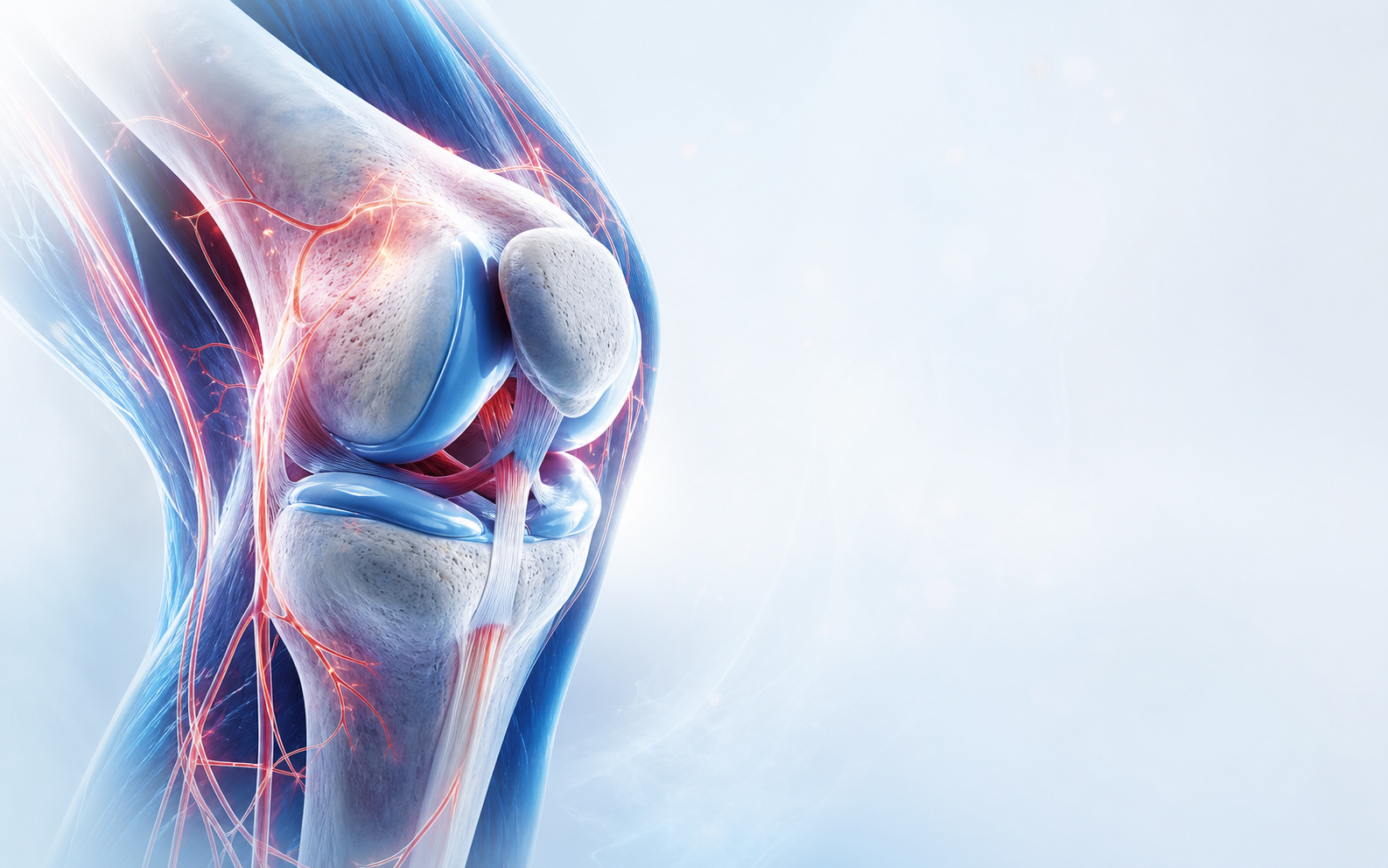
Knee swelling after walking or exercise may follow overuse, irritation from arthritis, a meniscus or ligament injury, inflammation around the joint or another condition. The cause cannot be confirmed from swelling alone. Recurrent, sudden or severe swelling should be assessed, particularly when movement or weight-bearing is affected.
This guide is provided by Dr Shaharil Orthopedic Specialist Clinic Seremban to help patients understand the assessment and treatment pathway before an individual consultation.
Key takeaways
| Meaning | Swelling is a response, not a diagnosis; overload, irritation or injury are possible. |
|---|---|
| Track | Onset, activity dose, location, heat, stiffness, locking and recovery time. |
| Assessment | Recurrent or increasing swelling, instability or loss of movement should be examined. |
| Urgent | A hot painful swollen knee with fever, major injury or inability to bear weight needs urgent care. |
Notice when the swelling appears
Swelling that develops immediately after a twist or impact may carry a different meaning from mild puffiness that increases gradually after a long walk. Note whether it begins within minutes, later the same day or the following morning.
Also notice whether the knee feels warm, stiff or unstable, whether you can straighten it fully and whether the swelling settles between episodes. These details are useful during assessment.
Common categories—not a self-diagnosis
Repeated loading can irritate tissues around the knee. Arthritis can also cause activity-related pain, stiffness and swelling. After a twist, symptoms may involve the meniscus, ligaments or cartilage. Bursitis and inflammatory conditions are other possibilities.
Several problems can feel similar. Age, previous injury, activity pattern, examination and sometimes imaging are needed to distinguish them. Avoid assuming that swelling automatically means worn cartilage or a torn meniscus.
What you can record before the appointment
Write down the activity, distance or movement that preceded the swelling. A dated photograph can help if the knee looks normal by the time of the appointment. Mention any locking, giving way, fever, redness, calf swelling or inability to bear weight.
Describe what you have tried and whether it helped. Do not repeatedly push through activity that causes marked swelling or instability while waiting for assessment.
How swelling may be assessed
The clinician may compare both knees, check where the swelling sits, assess movement and stability and look for signs suggesting injury, arthritis or inflammation. Imaging or other tests are used when they can answer a relevant clinical question.
Treatment depends on the cause. It may involve temporary activity changes, rehabilitation, medication discussion, treatment of an injury or arthritis, or further investigation. An operation is not the automatic response to swelling.
What clinical guidance supports
The NHS knee-pain guide lists several patterns associated with swelling and recommends urgent assessment when severe swelling follows injury or when the knee is hot, red and accompanied by fever.
A meniscal injury is one possible—not automatic—cause of swelling, catching or giving way after a twist, as described by AAOS OrthoInfo. For typical osteoarthritis, NICE recommends basing management on symptoms and function rather than repeatedly scanning the joint.
Why activity can reveal swelling
Walking and exercise increase load and joint-fluid movement. A sudden jump in distance, hills, squats, running or sport can irritate tissues that are not yet conditioned for that demand. Arthritis, synovial irritation, meniscal problems and other causes may produce a similar visible response.
Timing gives clues. Swelling within hours of a twist is different from mild puffiness that appears after a long walk and settles overnight. Note whether the knee feels hot, whether you can fully bend and straighten it, and whether the swelling is inside the joint or in a more localised area.
What you can do while arranging assessment
Reduce the activity dose that clearly triggers swelling and use relative rest rather than complete immobility. A wrapped cold pack for a short period may help comfort if safe for your skin and sensation. Do not force deep bending or continue sport through repeated giving way.
Do not start anti-inflammatory medicines without checking whether they are safe for you. Kidney disease, stomach ulcers, blood thinners, cardiovascular conditions, pregnancy and other medicines can change the risk.
When recurrent swelling changes the plan
Swelling that repeatedly returns, lasts longer, appears with locking or instability, or progressively limits motion deserves clinical assessment. The examination can help decide whether rehabilitation, an X-ray, MRI, fluid testing or another step is justified.
The goal is not simply to remove swelling; it is to identify and manage the reason the knee keeps reacting. Draining fluid or obtaining a scan is not automatically necessary for every swollen knee.
How I turn uncertainty into a staged plan
I usually organise the next step around three questions: what is safe to do now, what missing information would genuinely change treatment, and what development would make us revise the plan. The first step may be activity adjustment, diagnosis-specific rehabilitation, symptom relief or a targeted test. It should be proportionate to both the level of risk and the amount of function you have lost.
Every plan also needs a review point. We should agree on the change we hope to see, a reasonable timescale and the findings that would mean the strategy is not enough. This avoids waiting indefinitely without direction and also avoids escalating to an invasive treatment before the diagnosis, alternatives and goals are clear.
Personal factors that can change the recommendation
Two people with similar scan findings may reasonably choose different plans. Work demands, caregiving, previous injuries, other health conditions, medicines, sport, sleep, willingness to complete rehabilitation and the movement you need to regain can all change the balance of benefit and burden.
Tell the clinician about diabetes, heart, kidney or stomach problems, blood-thinning medicine, allergies, infection history, pregnancy where relevant, and previous operations or implants. These details do not automatically rule treatment in or out, but they can change medication safety, test selection, procedural risk, preparation and recovery planning.
Useful details to track
- How quickly the swelling develops after activity.
- Whether the knee is hot, red, stiff, locked or unstable.
- Whether you can walk and fully straighten the knee.
- Which activities trigger it and how long it lasts.
- Any recent fall, twist, increase in training or previous knee injury.
When to seek urgent care
Seek urgent care for severe or rapidly increasing swelling after injury, inability to bear weight, deformity, a locked knee, or a hot red swollen knee with fever or feeling unwell. Significant calf swelling, chest pain or breathlessness also needs urgent medical attention.
Frequently asked questions
Is knee swelling after exercise normal?
Temporary mild symptoms can occur after unusual loading, but recurrent, marked or painful swelling is not something to ignore. It should be assessed if it persists or affects function.
Should I keep exercising on a swollen knee?
Avoid forcing activity that causes marked pain, swelling or instability. The appropriate level of movement depends on the cause and severity.
Does swelling mean I need surgery?
No. Many causes are treated non-surgically. Treatment depends on the diagnosis and how the symptoms affect you.
Can knee swelling be diagnosed from symptoms alone?
Symptoms are important, but similar symptoms can arise from different structures or conditions. A diagnosis may require a focused examination and, only when it will change management, an appropriate investigation.
Should I stop all activity until I am assessed?
Not automatically. Avoid movements that cause sharp pain, repeated giving way or clear worsening, but complete rest can sometimes increase stiffness and weakness. The safe level of activity depends on the cause and severity.
Can I take pain medicine before the appointment?
Do not start, stop or change medication solely because of this article. Ask a doctor or pharmacist what is safe for you, especially if you have kidney, stomach, liver or heart problems, take blood thinners, are pregnant, or use other medicines.
What if my scan looks normal but I still have pain?
A scan is one part of assessment. Some painful problems are diagnosed mainly from the history and examination, and some scan findings do not explain the symptoms. Persistent functional difficulty still deserves a clinical review.
What should I monitor before follow-up?
Note pain triggers, swelling, sleep disturbance, walking tolerance, work or sport limitations, episodes of locking or giving way, and whether the agreed plan is helping. This gives the follow-up visit useful information.
Conclusion
A knee that swells after activity is telling you that the current load exceeds what the joint can comfortably tolerate—or that another problem needs attention. Track the pattern, adjust the load and seek assessment if swelling is recurrent, increasing or mechanically disruptive.
Medical references
About Dr Shaharil
Dr Shaharil is a Consultant Orthopaedic & Trauma Surgeon practising at CMH Specialist Hospital in Seremban. Learn more about Dr Shaharil.
Let’s begin with a clear conversation.
Tell the clinic what hurts, when it began and what movement has become difficult. The team can help arrange an appointment with Dr Shaharil.
WhatsApp for an appointmentThis information is general and does not replace an individual medical assessment, diagnosis or treatment. If symptoms are severe or worsening, seek appropriate medical care promptly.