Patient guide
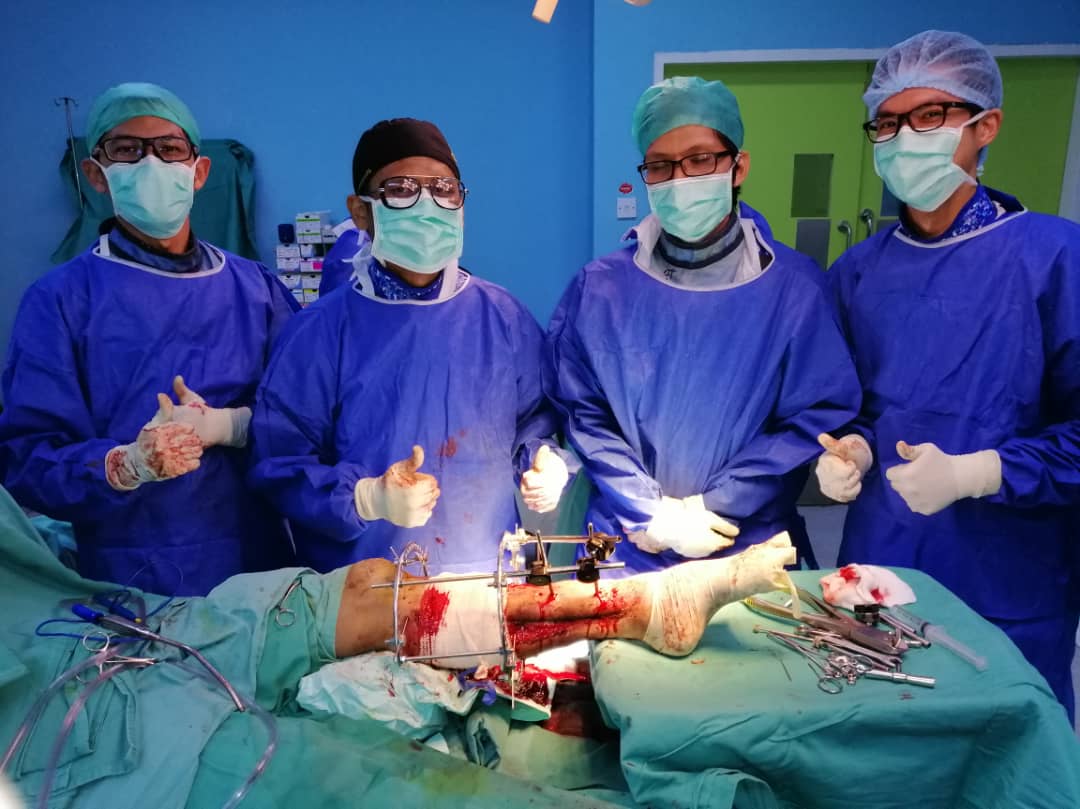
Fracture surgery may be discussed when alignment, stability, joint involvement, open injury, soft-tissue damage or expected function cannot be managed adequately without fixation. The agreed recommendation depends on the exact fracture and patient.
Short answer
Fracture surgery may be discussed when alignment, stability, joint involvement, open injury, soft-tissue damage or expected function cannot be managed adequately without fixation. The agreed recommendation depends on the exact fracture and patient.
This guide is provided by Dr Shaharil Orthopedic Specialist Clinic Seremban to help patients understand the careful clinical review and decision process before an individual consultation.
Key takeaways
| Main point | Fracture surgery may be discussed when alignment, stability, joint involvement, open injury, soft-tissue damage or expected function cannot be managed adequately without fixation. The agreed recommendation depends on the exact fracture and patient. |
|---|---|
| Useful clues | Ask what problem fixation solves and what non-surgical option remains. |
| Careful clinical review | Careful clinical review reviews imaging, skin, circulation, nerves, health and functional demands. |
| Possible pathway | Benefits are weighed against infection, anaesthesia, implant and healing risks. |
| Important limit | Metalwork does not make a fracture instantly healed or guarantee normal function. |
For the complete specialist pathway, reported symptom pattern assessed and appointment information, read about fracture surgery careful clinical review in Seremban.
Treat the injury pattern, not only the X-ray
Fracture surgery may be discussed when alignment, stability, joint involvement, open injury, soft-tissue damage or expected function cannot be managed adequately without fixation. The agreed recommendation depends on the exact fracture and patient. Ask what problem fixation solves and what non-surgical option remains.
The force, skin condition, circulation, nerves and nearby joints can be as important as the break itself. Trauma careful clinical review first identifies threats to life and limb, then defines the fracture and soft-tissue injury.
What the first examination checks
Careful clinical review reviews imaging, skin, circulation, nerves, health and functional demands. Pain relief and temporary splinting may be needed before the full careful clinical review can be completed safely.
The whole limb is examined because an obvious fracture can distract from another injury. Tell the team about numbness, tingling, colour change, wounds, medicines, allergies and the time of injury.
How imaging helps define the fracture
X-rays usually show location, pattern, displacement and joint involvement. CT or other imaging may be used for more complex questions or surgical planning, while repeat X-rays can show alignment and healing over time.
Images remain one part of the decision. Skin, swelling, wound contamination, circulation, function, medical health and patient needs influence urgency and individualised care.
How stability and alignment shape individualised care
Benefits are weighed against infection, anaesthesia, implant and healing risks. The shared objective is a position and environment that gives the bone and soft tissues a reasonable chance to heal while preserving useful function.
Some fractures are treated with a splint, cast or brace; others need reduction or fixation. The method can change as swelling settles or when follow-up shows that alignment has shifted.
Healing is biological and mechanical
Bone needs blood supply, stability and time. Smoking, infection, severe soft-tissue damage, nutrition, medicines and medical conditions can slow progress, while too much or too little loading may create different problems.
Follow weight-bearing and device instructions exactly. Feeling less pain does not prove that the fracture has regained full strength, and persistent discomfort does not automatically mean that healing has failed.
Rehabilitation protects function
Joints and muscles lose movement, strength and confidence during protection. Rehabilitation may begin with safe movement of unaffected areas and progress as stability allows.
The programme should reflect the bone involved, fixation, soft-tissue injury and tasks you need to regain. Forcing a generic timeline can overload healing tissue or leave important weakness unaddressed.
Recognise limitations and uncertainty
Metalwork does not make a fracture instantly healed or guarantee normal function. Ongoing follow-up exists because position, healing and reported symptom pattern can change.
A careful explanation should include the main risks of both surgical and non-surgical care, the signs that agreed next step is working and the findings that would require a different approach.
Use an explicit safety net
The shared objective of this process is to connect the clinical findings with the movement, work, family responsibilities or activity that matters to you. A agreed next step should state what to do now, how long to try it and what would trigger review.
Do not wait for a routine appointment when circulation, sensation, skin, wound or pain changes suggest urgent risk. The treating hospital or Emergency Department is the appropriate route for acute deterioration.
Protect the whole limb during recovery
A fracture affects more than the line seen on an X-ray. Swelling, skin, muscles, nearby joints, circulation, nerves and confidence can all change while the bone is protected. Follow instructions for elevation, movement of free joints, wound or pin care and use of walking aids, and ask before adding supplements or unplanned devices.
At every review, compare the current limb with the previous week: pain trend, swelling, skin condition, finger or toe colour and sensation, device fit, movement and ability to manage daily tasks. A small deterioration can be important when it concerns circulation, infection, alignment or pressure inside a cast, even if the next routine appointment is close.
How to use the consultation well
Bring the questions that would change your decision, not only a request for a scan or procedure. Ask what diagnosis is most likely, what else is being considered, which finding supports agreed next step and what improvement would count as meaningful. For when fracture surgery is needed, it is also helpful to ask what you can safely continue while the careful clinical review or individualised care is in progress.
Before leaving, confirm the review point and the safety net. Take time to know who will explain any test result, how long the agreed individualised care deserves, which activities should be modified and which new reported symptom pattern need earlier contact. Write agreed next step down or ask for it in a form you can understand; uncertainty is easier to manage when the next decision is explicit.
What a responsible plan should contain
A careful clinical review-led plan for when fracture surgery is needed should name the working diagnosis, acknowledge important uncertainty and connect each recommendation with a purpose. It should explain expected benefit, relevant harms, alternatives, practical demands and what may happen if individualised care is delayed or declined. When a test is suggested, ask which question it is meant to answer and how each possible result would change the next step.
Agreed next step should also respect individual health, work, caregiving, financial and activity circumstances without turning those factors into guarantees. Confirm the review date, the measures of progress and the warning signs that override the routine timeline. Clear safety-netting protects patients from waiting too long when the pattern changes, while a defined follow-up prevents unnecessary escalation when recovery is proceeding appropriately.
What clinical guidance supports
The AAOS OrthoInfo — Open Fractures explains why a wound communicating with a fracture needs urgent infection control and stabilisation.
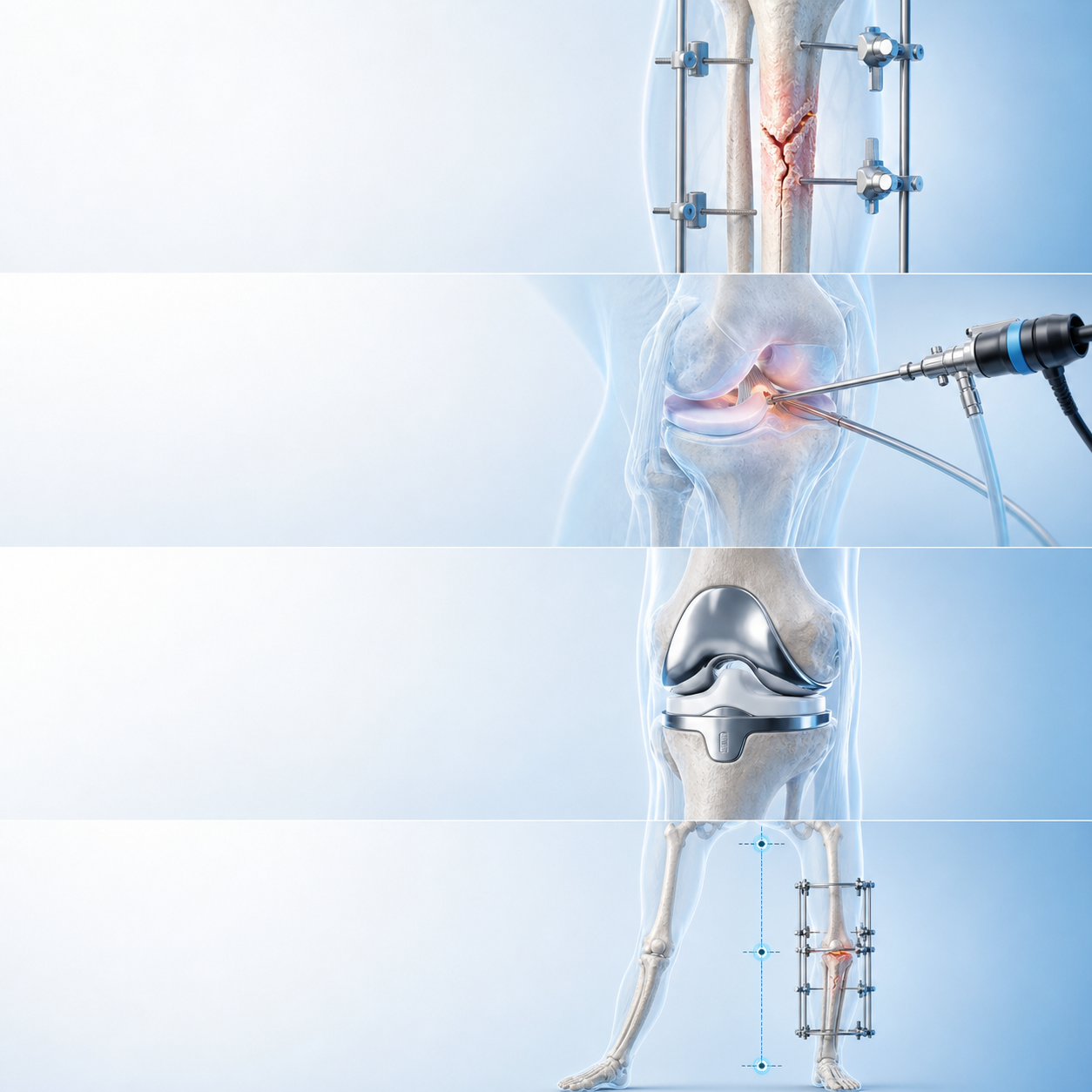
AAOS OrthoInfo — Internal Fixation for Fractures describes plates, screws, nails and wires as methods for selected fractures, while AAOS OrthoInfo — Cast Care highlights cast protection and warning reported symptom pattern.
The NICE guidance for complex fractures and non-complex fractures supports structured careful clinical review, imaging, pain management and referral according to injury severity.

When to seek urgent care
Open fractures and compromised circulation or nerves require emergency pathways.
Frequently asked questions
Can when fracture surgery is needed be diagnosed from this symptom alone?
No. Metalwork does not make a fracture instantly healed or guarantee normal function. A focused history and examination are needed before choosing individualised care.
What should make me seek help sooner?
Open fractures and compromised circulation or nerves require emergency pathways.
How long should improvement take?
There is no universal deadline. The diagnosis, severity, health, individualised care and functional demands affect progress; agree on a review point rather than waiting indefinitely.
Do I need an MRI?
Not automatically. Imaging review depends on the history, examination, previous results and whether the answer could change individualised care.
Should I stop all activity?
Avoid unsafe or sharply aggravating movement, but complete rest is not always helpful. The safe level depends on the diagnosis and severity.
Can I take pain medicine?
Ask a doctor or pharmacist what is safe for you, especially with kidney, stomach, liver or heart conditions, pregnancy, blood thinners or other medicines.
Does seeing an orthopaedic surgeon mean surgery?
No. Orthopaedic careful clinical review includes diagnosis, non-surgical planning, monitoring and referral as well as surgery when appropriate.
What should I bring to the appointment?
Bring a medicine and allergy list, existing images and reports, relevant individualised care notes and a short timeline of reported symptom pattern or injury.
Conclusion
Fracture surgery may be discussed when alignment, stability, joint involvement, open injury, soft-tissue damage or expected function cannot be managed adequately without fixation. The agreed recommendation depends on the exact fracture and patient. The safest next step is a proportionate careful clinical review that connects the symptom or injury with your health, goals and the evidence. A useful plan should also say what would prompt earlier review.
Medical references
Let’s work out what comes next.
Tell the clinic what happened, what hurts and which movement has become difficult. The team can help arrange an appointment with Dr Shaharil.
WhatsApp for an appointmentThis information is general and does not replace an individual medical careful clinical review, diagnosis or individualised care. If reported symptom pattern are severe, urgent or worsening, seek appropriate medical care promptly.
Leave a Reply