Category: Knee Replacement

Patient education about knee replacement decisions, preparation and recovery.

  • Preparing for a Knee Replacement Consultation

    Preparing for a Knee Replacement Consultation

    Written by Dr ShaharilConsultant Orthopaedic & Trauma Surgeon at CMH Specialist Hospital, Seremban. View Dr Shaharil’s profile.

    Patient guide

    A useful knee replacement consultation reviews problems, previous management approach, imaging, general health, expectations and practical recovery support. Preparation helps you ask better questions without committing you to surgery.

    Preparing for a Knee Replacement Consultation — medically relevant orthopaedic illustration

    Short answer

    A useful knee replacement consultation reviews problems, previous management approach, imaging, general health, expectations and practical recovery support. Preparation helps you ask better questions without committing you to surgery.

    This guide is provided by Dr Shaharil Orthopedic Specialist Clinic Seremban to help patients understand the focused review and decision process before an individual consultation.

    Key takeaways

    Main pointA useful knee replacement consultation reviews problems, previous management approach, imaging, general health, expectations and practical recovery support. Preparation helps you ask better questions without committing you to surgery.
    Useful cluesBring actual images and reports, a medicine list, medical conditions and a short functional timeline.
    Focused reviewThe surgeon will assess the knee and discuss whether its condition matches the proposed procedure.
    Possible pathwayMake sure you hear about alternatives, risks, rehabilitation, hospital arrangements and what happens if you wait.
    Important limitNo honest consultation can guarantee a pain-free result or exact recovery date.

    For the complete specialist pathway, problems assessed and appointment information, read about knee replacement consultation in Seremban.

    Begin with the life the knee is limiting

    A useful knee replacement consultation reviews problems, previous management approach, imaging, general health, expectations and practical recovery support. Preparation helps you ask better questions without committing you to surgery. Bring actual images and reports, a medicine list, medical conditions and a short functional timeline.

    Pain matters, but so do walking distance, sleep, stairs, work, self-care, exercise and confidence. These establish whether the burden is large enough to justify considering a major elective operation.

    Confirm that the knee joint is the main source

    The surgeon will assess the knee and discuss whether its condition matches the proposed procedure. Hip, back, nerve, circulation and general medical problems may mimic or add to knee problems.

    Weight-bearing imaging is interpreted beside the examination and symptom pattern. A dramatic X-ray does not automatically predict pain, and a modest X-ray does not make the person’s functional loss unimportant.

    Review what has already been tried

    Appropriate non-surgical care may include education, exercise, weight-management support where relevant, pacing, medicines and selected injections. The useful question is what was tried safely, for how long and with what result.

    The central objective is not to make patients complete an arbitrary obstacle course. It is to confirm that reasonable lower-risk options have been considered and that the remaining problem is significant enough to revisit the balance.

    Make the decision together

    Make sure you hear about alternatives, risks, rehabilitation, hospital arrangements and what happens if you wait. Shared decision making includes the likely benefit, important harms, alternatives and the option to wait when it is safe.

    Tell the surgeon what outcome would make surgery worthwhile and what consequences worry you most. A decision that ignores work, caregiving, transport, rehabilitation or personal priorities is incomplete.

    Prepare health and recovery support

    General health affects anaesthesia, infection, blood-clot risk, wound healing and rehabilitation. Medicines, diabetes, smoking, dental or skin infection, anaemia and heart, lung or kidney conditions may need coordinated optimisation.

    Home arrangements, walking aids, transport and help should be planned according to the hospital pathway. Preparation supports safer recovery; it does not guarantee that complications cannot occur.

    Understand recovery as stages

    Early recovery focuses on pain control, wound care, swelling, safe mobility and exercises. Later stages build movement, strength, balance and return to daily activities. The individual pace depends on the individual and procedure.

    Follow the team’s instructions about medicines, weight-bearing, driving, work and activity. Comparing one recovery with another can create pressure to advance before the knee and the whole person are ready.

    Keep expectations balanced

    No honest consultation can guarantee a pain-free result or exact recovery date. Persistent pain, stiffness, infection, blood clots, implant problems and medical complications are among the issues discussed before surgery.

    The central objective is meaningful improvement, not a promise of a perfectly natural-feeling knee. Expected activities, long-term implant care and the possibility of further surgery deserve an honest conversation.

    Know the follow-up and escalation plan

    The central objective of this process is to connect the clinical findings with the movement, work, family responsibilities or activity that matters to you. A agreed approach should state what to do now, how long to try it and what would trigger review.

    After surgery, worsening wound redness or drainage, fever, increasing calf pain or swelling, chest pain or sudden breathlessness requires prompt medical advice. These warnings should be provided again by the treating team.

    Build a personal decision balance

    Write two columns before deciding: what you hope knee replacement will allow you to do, and what burdens or risks you are prepared to accept to pursue that improvement. Include pain, mobility, sleep, work, caregiving, rehabilitation time, hospital arrangements and the possibility that some problems may remain.

    Review this balance with the surgeon and someone who may support you after discharge. A decision can be clinically reasonable yet poorly timed for a person’s circumstances, or practically convenient but unsupported by the knee findings. The strongest choice aligns diagnosis, likely benefit, health, expectations and readiness for the recovery work.

    How to use the consultation well

    Bring the questions that would change your decision, not only a request for a scan or procedure. Ask what diagnosis is most likely, what else is being considered, which finding supports agreed approach and what improvement would count as meaningful. For knee replacement consultation preparation, it is also helpful to ask what you can safely continue while the focused review or management approach is in progress.

    Before leaving, confirm the review point and the safety net. Make sure you know who will explain any test result, how long the agreed management approach deserves, which activities should be modified and which new problems need earlier contact. Write agreed approach down or ask for it in a form you can understand; uncertainty is easier to manage when the next decision is explicit.

    What a responsible plan should contain

    A focused review-led plan for knee replacement consultation preparation should name the working diagnosis, acknowledge important uncertainty and connect each recommendation with a purpose. It should explain expected benefit, relevant harms, alternatives, practical demands and what may happen if management approach is delayed or declined. When a test is suggested, ask which question it is meant to answer and how each possible result would change the next step.

    Agreed approach should also respect individual health, work, caregiving, financial and activity circumstances without turning those factors into guarantees. Confirm the review date, the measures of progress and the warning signs that override the routine timeline. Clear safety-netting protects patients from waiting too long when the pattern changes, while a defined follow-up prevents unnecessary escalation when recovery is proceeding appropriately.

    What clinical guidance supports

    The AAOS OrthoInfo — Total Knee Replacement describes knee replacement as a major decision made after considering problems, function, alternatives, risks and realistic expectations.

    NICE — Primary Joint Replacement Recommendations recommends clear shared decision making, procedure-specific information, preparation, rehabilitation and discussion of return to work and usual activities.

    NICE — Osteoarthritis: focused review and management supports using problems and function to guide osteoarthritis care, while the AAOS resources on activity after replacement and postoperative exercise reinforce staged recovery and safety-netting.

    Clinical orthopaedic illustration relevant to knee replacement consultation preparation
    Focused review connects problems, examination and appropriate imaging rather than relying on one sign alone.
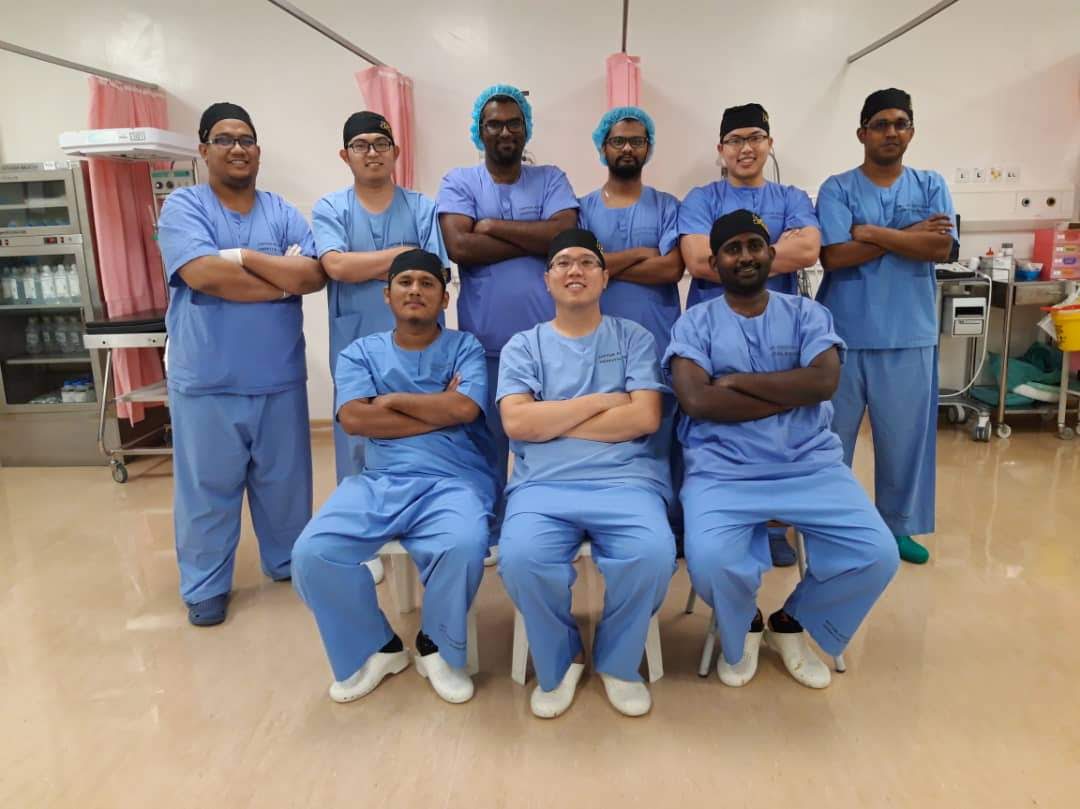
    Dr Shaharil and orthopaedic clinical team in Seremban
    A clear plan should explain the likely diagnosis, alternatives, limitations, follow-up and urgent warning signs.

    When to seek urgent care

    Urgent new problems should be assessed separately rather than waiting for an elective consultation.

    Frequently asked questions

    Can knee replacement consultation preparation be diagnosed from this symptom alone?

    No. No honest consultation can guarantee a pain-free result or exact recovery date. A focused history and examination are needed before choosing management approach.

    What should make me seek help sooner?

    Urgent new problems should be assessed separately rather than waiting for an elective consultation.

    How long should improvement take?

    There is no universal deadline. The diagnosis, severity, health, management approach and functional demands affect progress; agree on a review point rather than waiting indefinitely.

    Do I need an MRI?

    Not automatically. Selected scans depends on the history, examination, previous results and whether the answer could change management approach.

    Should I stop all activity?

    Avoid unsafe or sharply aggravating movement, but complete rest is not always helpful. The safe level depends on the diagnosis and severity.

    Can I take pain medicine?

    Ask a doctor or pharmacist what is safe for you, especially with kidney, stomach, liver or heart conditions, pregnancy, blood thinners or other medicines.

    Does seeing an orthopaedic surgeon mean surgery?

    No. Orthopaedic focused review includes diagnosis, non-surgical planning, monitoring and referral as well as surgery when appropriate.

    What should I bring to the appointment?

    Bring a medicine and allergy list, existing images and reports, relevant management approach notes and a short timeline of problems or injury.

    Conclusion

    A useful knee replacement consultation reviews problems, previous management approach, imaging, general health, expectations and practical recovery support. Preparation helps you ask better questions without committing you to surgery. The safest next step is a proportionate focused review that connects the symptom or injury with your health, goals and the evidence. A useful plan should also say what would prompt earlier review.

    Medical references

    1. AAOS OrthoInfo — Total Knee Replacement
    2. NICE — Primary Joint Replacement Recommendations
    3. NICE — Osteoarthritis: focused review and management
    4. AAOS OrthoInfo — Activities After Total Knee Replacement
    5. AAOS OrthoInfo — Total Knee Replacement Exercise Guide

    Let’s work out what comes next.

    Tell the clinic what happened, what hurts and which movement has become difficult. The team can help arrange an appointment with Dr Shaharil.

    WhatsApp for an appointment

    This information is general and does not replace an individual medical focused review, diagnosis or management approach. If problems are severe, urgent or worsening, seek appropriate medical care promptly.

  • What Non-Surgical Options Are Tried Before Knee Replacement?

    What Non-Surgical Options Are Tried Before Knee Replacement?

    Written by Dr ShaharilConsultant Orthopaedic & Trauma Surgeon at CMH Specialist Hospital, Seremban. View Dr Shaharil’s profile.

    Patient guide

    Before knee replacement, appropriate care may include education, exercise, weight-management support when relevant, activity adaptation, medicines or selected injections. The precise sequence depends on diagnosis, health and previous response.

    What Non-Surgical Options Are Tried Before Knee Replacement — medically relevant orthopaedic illustration

    Short answer

    Before knee replacement, appropriate care may include education, exercise, weight-management support when relevant, activity adaptation, medicines or selected injections. The precise sequence depends on diagnosis, health and previous response.

    This guide is provided by Dr Shaharil Orthopedic Specialist Clinic Seremban to help patients understand the orthopaedic evaluation and decision process before an individual consultation.

    Key takeaways

    Main pointBefore knee replacement, appropriate care may include education, exercise, weight-management support when relevant, activity adaptation, medicines or selected injections. The precise sequence depends on diagnosis, health and previous response.
    Useful cluesBring details of what was tried, duration, adherence, benefit and adverse effects.
    Orthopaedic evaluationOrthopaedic evaluation checks whether the diagnosis is secure and whether conservative care strategy had a fair, safe trial.
    Possible pathwayOptions are combined and reviewed rather than treated as boxes that must be exhausted mechanically.
    Important limitNon-surgical care may improve presenting features but cannot reliably reverse established structural arthritis.

    For the complete specialist pathway, presenting features assessed and appointment information, read about non-surgical knee arthritis care in Seremban.

    Begin with the life the knee is limiting

    Before knee replacement, appropriate care may include education, exercise, weight-management support when relevant, activity adaptation, medicines or selected injections. The precise sequence depends on diagnosis, health and previous response. Bring details of what was tried, duration, adherence, benefit and adverse effects.

    Pain matters, but so do walking distance, sleep, stairs, work, self-care, exercise and confidence. These establish whether the burden is large enough to justify considering a major elective operation.

    Confirm that the knee joint is the main source

    Orthopaedic evaluation checks whether the diagnosis is secure and whether conservative care strategy had a fair, safe trial. Hip, back, nerve, circulation and general medical problems may mimic or add to knee presenting features.

    Weight-bearing imaging is interpreted beside the examination and symptom pattern. A dramatic X-ray does not automatically predict pain, and a modest X-ray does not make the person’s functional loss unimportant.

    Review what has already been tried

    Appropriate non-surgical care may include education, exercise, weight-management support where relevant, pacing, medicines and selected injections. The useful question is what was tried safely, for how long and with what result.

    The clinical aim is not to make patients complete an arbitrary obstacle course. It is to confirm that reasonable lower-risk options have been considered and that the remaining problem is significant enough to revisit the balance.

    Make the decision together

    Options are combined and reviewed rather than treated as boxes that must be exhausted mechanically. Shared decision making includes the likely benefit, important harms, alternatives and the option to wait when it is safe.

    Tell the surgeon what outcome would make surgery worthwhile and what consequences worry you most. A decision that ignores work, caregiving, transport, rehabilitation or personal priorities is incomplete.

    Prepare health and recovery support

    General health affects anaesthesia, infection, blood-clot risk, wound healing and rehabilitation. Medicines, diabetes, smoking, dental or skin infection, anaemia and heart, lung or kidney conditions may need coordinated optimisation.

    Home arrangements, walking aids, transport and help should be planned according to the hospital pathway. Preparation supports safer recovery; it does not guarantee that complications cannot occur.

    Understand recovery as stages

    Early recovery focuses on pain control, wound care, swelling, safe mobility and exercises. Later stages build movement, strength, balance and return to daily activities. The precise pace depends on the individual and procedure.

    Follow the team’s instructions about medicines, weight-bearing, driving, work and activity. Comparing one recovery with another can create pressure to advance before the knee and the whole person are ready.

    Keep expectations balanced

    Non-surgical care may improve presenting features but cannot reliably reverse established structural arthritis. Persistent pain, stiffness, infection, blood clots, implant problems and medical complications are among the issues discussed before surgery.

    The clinical aim is meaningful improvement, not a promise of a perfectly natural-feeling knee. Expected activities, long-term implant care and the possibility of further surgery deserve an honest conversation.

    Know the follow-up and escalation plan

    The clinical aim of this process is to connect the clinical findings with the movement, work, family responsibilities or activity that matters to you. A clinical pathway should state what to do now, how long to try it and what would trigger review.

    After surgery, worsening wound redness or drainage, fever, increasing calf pain or swelling, chest pain or sudden breathlessness requires prompt medical advice. These warnings should be provided again by the treating team.

    Build a personal decision balance

    Write two columns before deciding: what you hope knee replacement will allow you to do, and what burdens or risks you are prepared to accept to pursue that improvement. Include pain, mobility, sleep, work, caregiving, rehabilitation time, hospital arrangements and the possibility that some presenting features may remain.

    Review this balance with the surgeon and someone who may support you after discharge. A decision can be clinically reasonable yet poorly timed for a person’s circumstances, or practically convenient but unsupported by the knee findings. The strongest choice aligns diagnosis, likely benefit, health, expectations and readiness for the recovery work.

    How to use the consultation well

    Bring the questions that would change your decision, not only a request for a scan or procedure. Ask what diagnosis is most likely, what else is being considered, which finding supports clinical pathway and what improvement would count as meaningful. For non-surgical options before knee replacement, it is also helpful to ask what you can safely continue while the orthopaedic evaluation or care strategy is in progress.

    Before leaving, confirm the review point and the safety net. It is helpful to know who will explain any test result, how long the agreed care strategy deserves, which activities should be modified and which new presenting features need earlier contact. Write clinical pathway down or ask for it in a form you can understand; uncertainty is easier to manage when the next decision is explicit.

    What a responsible plan should contain

    A orthopaedic evaluation-led plan for non-surgical options before knee replacement should name the working diagnosis, acknowledge important uncertainty and connect each recommendation with a purpose. It should explain expected benefit, relevant harms, alternatives, practical demands and what may happen if care strategy is delayed or declined. When a test is suggested, ask which question it is meant to answer and how each possible result would change the next step.

    Clinical pathway should also respect individual health, work, caregiving, financial and activity circumstances without turning those factors into guarantees. Confirm the review date, the measures of progress and the warning signs that override the routine timeline. Clear safety-netting protects patients from waiting too long when the pattern changes, while a defined follow-up prevents unnecessary escalation when recovery is proceeding appropriately.

    What clinical guidance supports

    The AAOS OrthoInfo — Total Knee Replacement describes knee replacement as a major decision made after considering presenting features, function, alternatives, risks and realistic expectations.

    NICE — Primary Joint Replacement Recommendations recommends clear shared decision making, procedure-specific information, preparation, rehabilitation and discussion of return to work and usual activities.

    NICE — Osteoarthritis: orthopaedic evaluation and management supports using presenting features and function to guide osteoarthritis care, while the AAOS resources on activity after replacement and postoperative exercise reinforce staged recovery and safety-netting.

    Clinical orthopaedic illustration relevant to non-surgical options before knee replacement
    Orthopaedic evaluation connects presenting features, examination and appropriate imaging rather than relying on one sign alone.
    Dr Shaharil and orthopaedic clinical team in Seremban
    A clear plan should explain the likely diagnosis, alternatives, limitations, follow-up and urgent warning signs.

    When to seek urgent care

    Do not start, stop or combine medicines based only on an article; individual risks require professional advice.

    Frequently asked questions

    Can non-surgical options before knee replacement be diagnosed from this symptom alone?

    No. Non-surgical care may improve presenting features but cannot reliably reverse established structural arthritis. A focused history and examination are needed before choosing care strategy.

    What should make me seek help sooner?

    Do not start, stop or combine medicines based only on an article; individual risks require professional advice.

    How long should improvement take?

    There is no universal deadline. The diagnosis, severity, health, care strategy and functional demands affect progress; agree on a review point rather than waiting indefinitely.

    Do I need an MRI?

    Not automatically. Diagnostic imaging depends on the history, examination, previous results and whether the answer could change care strategy.

    Should I stop all activity?

    Avoid unsafe or sharply aggravating movement, but complete rest is not always helpful. The safe level depends on the diagnosis and severity.

    Can I take pain medicine?

    Ask a doctor or pharmacist what is safe for you, especially with kidney, stomach, liver or heart conditions, pregnancy, blood thinners or other medicines.

    Does seeing an orthopaedic surgeon mean surgery?

    No. Orthopaedic orthopaedic evaluation includes diagnosis, non-surgical planning, monitoring and referral as well as surgery when appropriate.

    What should I bring to the appointment?

    Bring a medicine and allergy list, existing images and reports, relevant care strategy notes and a short timeline of presenting features or injury.

    Conclusion

    Before knee replacement, appropriate care may include education, exercise, weight-management support when relevant, activity adaptation, medicines or selected injections. The precise sequence depends on diagnosis, health and previous response. The safest next step is a proportionate orthopaedic evaluation that connects the symptom or injury with your health, goals and the evidence. A useful plan should also say what would prompt earlier review.

    Medical references

    1. AAOS OrthoInfo — Total Knee Replacement
    2. NICE — Primary Joint Replacement Recommendations
    3. NICE — Osteoarthritis: orthopaedic evaluation and management
    4. AAOS OrthoInfo — Activities After Total Knee Replacement
    5. AAOS OrthoInfo — Total Knee Replacement Exercise Guide

    Let’s work out what comes next.

    Tell the clinic what happened, what hurts and which movement has become difficult. The team can help arrange an appointment with Dr Shaharil.

    WhatsApp for an appointment

    This information is general and does not replace an individual medical orthopaedic evaluation, diagnosis or care strategy. If presenting features are severe, urgent or worsening, seek appropriate medical care promptly.

  • Symptoms of Advanced Knee Arthritis: What Do They Mean?

    Symptoms of Advanced Knee Arthritis: What Do They Mean?

    Written by Dr ShaharilConsultant Orthopaedic & Trauma Surgeon at CMH Specialist Hospital, Seremban. View Dr Shaharil’s profile.

    Patient guide

    Advanced knee arthritis may cause persistent pain, stiffness, reduced walking, deformity and loss of independence, but symptom severity varies. Management is based on the person, not the radiograph label alone.

    Symptoms of Advanced Knee Arthritis What Do They Mean — medically relevant orthopaedic illustration

    Short answer

    Advanced knee arthritis may cause persistent pain, stiffness, reduced walking, deformity and loss of independence, but symptom severity varies. Management is based on the person, not the radiograph label alone.

    This guide is provided by Dr Shaharil Orthopedic Specialist Clinic Seremban to help patients understand the clinical review and decision process before an individual consultation.

    Key takeaways

    Main pointAdvanced knee arthritis may cause persistent pain, stiffness, reduced walking, deformity and loss of independence, but symptom severity varies. Management is based on the person, not the radiograph label alone.
    Useful cluesNote rest pain, night waking, walking distance, instability, stiffness and increasing reliance on support.
    Clinical reviewThe examination assesses movement, alignment, swelling, muscle strength and whether other conditions explain some symptom pattern.
    Possible pathwayNon-surgical care may still help selected patients; replacement is discussed when the overall balance supports it.
    Important limitNot every person with severe X-ray changes experiences severe symptom pattern or benefits equally from surgery.

    For the complete specialist pathway, symptom pattern assessed and appointment information, read about advanced knee arthritis clinical review in Seremban.

    Begin with the life the knee is limiting

    Advanced knee arthritis may cause persistent pain, stiffness, reduced walking, deformity and loss of independence, but symptom severity varies. Management is based on the person, not the radiograph label alone. Note rest pain, night waking, walking distance, instability, stiffness and increasing reliance on support.

    Pain matters, but so do walking distance, sleep, stairs, work, self-care, exercise and confidence. These establish whether the burden is large enough to justify considering a major elective operation.

    Confirm that the knee joint is the main source

    The examination assesses movement, alignment, swelling, muscle strength and whether other conditions explain some symptom pattern. Hip, back, nerve, circulation and general medical problems may mimic or add to knee symptom pattern.

    Weight-bearing imaging is interpreted beside the examination and symptom pattern. A dramatic X-ray does not automatically predict pain, and a modest X-ray does not make the person’s functional loss unimportant.

    Review what has already been tried

    Appropriate non-surgical care may include education, exercise, weight-management support where relevant, pacing, medicines and selected injections. The useful question is what was tried safely, for how long and with what result.

    The practical objective is not to make patients complete an arbitrary obstacle course. It is to confirm that reasonable lower-risk options have been considered and that the remaining problem is significant enough to revisit the balance.

    Make the decision together

    Non-surgical care may still help selected patients; replacement is discussed when the overall balance supports it. Shared decision making includes the likely benefit, important harms, alternatives and the option to wait when it is safe.

    Tell the surgeon what outcome would make surgery worthwhile and what consequences worry you most. A decision that ignores work, caregiving, transport, rehabilitation or personal priorities is incomplete.

    Prepare health and recovery support

    General health affects anaesthesia, infection, blood-clot risk, wound healing and rehabilitation. Medicines, diabetes, smoking, dental or skin infection, anaemia and heart, lung or kidney conditions may need coordinated optimisation.

    Home arrangements, walking aids, transport and help should be planned according to the hospital pathway. Preparation supports safer recovery; it does not guarantee that complications cannot occur.

    Understand recovery as stages

    Early recovery focuses on pain control, wound care, swelling, safe mobility and exercises. Later stages build movement, strength, balance and return to daily activities. The specific pace depends on the individual and procedure.

    Follow the team’s instructions about medicines, weight-bearing, driving, work and activity. Comparing one recovery with another can create pressure to advance before the knee and the whole person are ready.

    Keep expectations balanced

    Not every person with severe X-ray changes experiences severe symptom pattern or benefits equally from surgery. Persistent pain, stiffness, infection, blood clots, implant problems and medical complications are among the issues discussed before surgery.

    The practical objective is meaningful improvement, not a promise of a perfectly natural-feeling knee. Expected activities, long-term implant care and the possibility of further surgery deserve an honest conversation.

    Know the follow-up and escalation plan

    The practical objective of this process is to connect the clinical findings with the movement, work, family responsibilities or activity that matters to you. A next-step approach should state what to do now, how long to try it and what would trigger review.

    After surgery, worsening wound redness or drainage, fever, increasing calf pain or swelling, chest pain or sudden breathlessness requires prompt medical advice. These warnings should be provided again by the treating team.

    Build a personal decision balance

    Write two columns before deciding: what you hope knee replacement will allow you to do, and what burdens or risks you are prepared to accept to pursue that improvement. Include pain, mobility, sleep, work, caregiving, rehabilitation time, hospital arrangements and the possibility that some symptom pattern may remain.

    Review this balance with the surgeon and someone who may support you after discharge. A decision can be clinically reasonable yet poorly timed for a person’s circumstances, or practically convenient but unsupported by the knee findings. The strongest choice aligns diagnosis, likely benefit, health, expectations and readiness for the recovery work.

    How to use the consultation well

    Bring the questions that would change your decision, not only a request for a scan or procedure. Ask what diagnosis is most likely, what else is being considered, which finding supports next-step approach and what improvement would count as meaningful. For advanced knee arthritis symptom pattern, it is also helpful to ask what you can safely continue while the clinical review or management is in progress.

    Before leaving, confirm the review point and the safety net. You need to know who will explain any test result, how long the agreed management deserves, which activities should be modified and which new symptom pattern need earlier contact. Write next-step approach down or ask for it in a form you can understand; uncertainty is easier to manage when the next decision is explicit.

    What a responsible plan should contain

    A clinical review-led plan for advanced knee arthritis symptom pattern should name the working diagnosis, acknowledge important uncertainty and connect each recommendation with a purpose. It should explain expected benefit, relevant harms, alternatives, practical demands and what may happen if management is delayed or declined. When a test is suggested, ask which question it is meant to answer and how each possible result would change the next step.

    Next-step approach should also respect individual health, work, caregiving, financial and activity circumstances without turning those factors into guarantees. Confirm the review date, the measures of progress and the warning signs that override the routine timeline. Clear safety-netting protects patients from waiting too long when the pattern changes, while a defined follow-up prevents unnecessary escalation when recovery is proceeding appropriately.

    What clinical guidance supports

    The AAOS OrthoInfo — Total Knee Replacement describes knee replacement as a major decision made after considering symptom pattern, function, alternatives, risks and realistic expectations.

    NICE — Primary Joint Replacement Recommendations recommends clear shared decision making, procedure-specific information, preparation, rehabilitation and discussion of return to work and usual activities.

    NICE — Osteoarthritis: clinical review and management supports using symptom pattern and function to guide osteoarthritis care, while the AAOS resources on activity after replacement and postoperative exercise reinforce staged recovery and safety-netting.

    Clinical orthopaedic illustration relevant to advanced knee arthritis symptoms
    Clinical review connects symptom pattern, examination and appropriate imaging rather than relying on one sign alone.
    Dr Shaharil and orthopaedic clinical team in Seremban
    A clear plan should explain the likely diagnosis, alternatives, limitations, follow-up and urgent warning signs.

    When to seek urgent care

    A suddenly hot red knee, fever or acute inability to bear weight needs urgent evaluation rather than an arthritis assumption.

    Frequently asked questions

    Can advanced knee arthritis symptom pattern be diagnosed from this symptom alone?

    No. Not every person with severe X-ray changes experiences severe symptom pattern or benefits equally from surgery. A focused history and examination are needed before choosing management.

    What should make me seek help sooner?

    A suddenly hot red knee, fever or acute inability to bear weight needs urgent evaluation rather than an arthritis assumption.

    How long should improvement take?

    There is no universal deadline. The diagnosis, severity, health, management and functional demands affect progress; agree on a review point rather than waiting indefinitely.

    Do I need an MRI?

    Not automatically. Appropriate imaging depends on the history, examination, previous results and whether the answer could change management.

    Should I stop all activity?

    Avoid unsafe or sharply aggravating movement, but complete rest is not always helpful. The safe level depends on the diagnosis and severity.

    Can I take pain medicine?

    Ask a doctor or pharmacist what is safe for you, especially with kidney, stomach, liver or heart conditions, pregnancy, blood thinners or other medicines.

    Does seeing an orthopaedic surgeon mean surgery?

    No. Orthopaedic clinical review includes diagnosis, non-surgical planning, monitoring and referral as well as surgery when appropriate.

    What should I bring to the appointment?

    Bring a medicine and allergy list, existing images and reports, relevant management notes and a short timeline of symptom pattern or injury.

    Conclusion

    Advanced knee arthritis may cause persistent pain, stiffness, reduced walking, deformity and loss of independence, but symptom severity varies. Management is based on the person, not the radiograph label alone. The safest next step is a proportionate clinical review that connects the symptom or injury with your health, goals and the evidence. A useful plan should also say what would prompt earlier review.

    Medical references

    1. AAOS OrthoInfo — Total Knee Replacement
    2. NICE — Primary Joint Replacement Recommendations
    3. NICE — Osteoarthritis: clinical review and management
    4. AAOS OrthoInfo — Activities After Total Knee Replacement
    5. AAOS OrthoInfo — Total Knee Replacement Exercise Guide

    Let’s work out what comes next.

    Tell the clinic what happened, what hurts and which movement has become difficult. The team can help arrange an appointment with Dr Shaharil.

    WhatsApp for an appointment

    This information is general and does not replace an individual medical clinical review, diagnosis or management. If symptom pattern are severe, urgent or worsening, seek appropriate medical care promptly.

  • When May Knee Replacement Be Considered?

    When May Knee Replacement Be Considered?

    Written by Dr ShaharilConsultant Orthopaedic & Trauma Surgeon at CMH Specialist Hospital, Seremban. View Dr Shaharil’s profile.

    Patient guide

    Knee replacement may be considered when confirmed joint disease causes substantial pain and functional loss despite appropriate non-surgical care. The decision is individual and should balance expected benefit, surgical risk, recovery demands and personal goals.

    When May Knee Replacement Be Considered — medically relevant orthopaedic illustration

    Short answer

    Knee replacement may be considered when confirmed joint disease causes substantial pain and functional loss despite appropriate non-surgical care. The decision is individual and should balance expected benefit, surgical risk, recovery demands and personal goals.

    This guide is provided by Dr Shaharil Orthopedic Specialist Clinic Seremban to help patients understand the evaluation and decision process before an individual consultation.

    Key takeaways

    Main pointKnee replacement may be considered when confirmed joint disease causes substantial pain and functional loss despite appropriate non-surgical care. The decision is individual and should balance expected benefit, surgical risk, recovery demands and personal goals.
    Useful cluesDescribe walking tolerance, sleep, stairs, work, self-care and treatments already tried.
    EvaluationEvaluation combines concerns, examination, weight-bearing X-rays, general health and readiness for rehabilitation.
    Possible pathwayAlternatives and the consequences of waiting should be discussed alongside surgery.
    Important limitAn X-ray alone does not decide the operation, and replacement is not a cure for every source of leg pain.

    For the complete specialist pathway, concerns assessed and appointment information, read about knee replacement evaluation in Seremban.

    Begin with the life the knee is limiting

    Knee replacement may be considered when confirmed joint disease causes substantial pain and functional loss despite appropriate non-surgical care. The decision is individual and should balance expected benefit, surgical risk, recovery demands and personal goals. Describe walking tolerance, sleep, stairs, work, self-care and treatments already tried.

    Pain matters, but so do walking distance, sleep, stairs, work, self-care, exercise and confidence. These establish whether the burden is large enough to justify considering a major elective operation.

    Confirm that the knee joint is the main source

    Evaluation combines concerns, examination, weight-bearing X-rays, general health and readiness for rehabilitation. Hip, back, nerve, circulation and general medical problems may mimic or add to knee concerns.

    Weight-bearing imaging is interpreted beside the examination and symptom pattern. A dramatic X-ray does not automatically predict pain, and a modest X-ray does not make the person’s functional loss unimportant.

    Review what has already been tried

    Appropriate non-surgical care may include education, exercise, weight-management support where relevant, pacing, medicines and selected injections. The useful question is what was tried safely, for how long and with what result.

    The goal is not to make patients complete an arbitrary obstacle course. It is to confirm that reasonable lower-risk options have been considered and that the remaining problem is significant enough to revisit the balance.

    Make the decision together

    Alternatives and the consequences of waiting should be discussed alongside surgery. Shared decision making includes the likely benefit, important harms, alternatives and the option to wait when it is safe.

    Tell the surgeon what outcome would make surgery worthwhile and what consequences worry you most. A decision that ignores work, caregiving, transport, rehabilitation or personal priorities is incomplete.

    Prepare health and recovery support

    General health affects anaesthesia, infection, blood-clot risk, wound healing and rehabilitation. Medicines, diabetes, smoking, dental or skin infection, anaemia and heart, lung or kidney conditions may need coordinated optimisation.

    Home arrangements, walking aids, transport and help should be planned according to the hospital pathway. Preparation supports safer recovery; it does not guarantee that complications cannot occur.

    Understand recovery as stages

    Early recovery focuses on pain control, wound care, swelling, safe mobility and exercises. Later stages build movement, strength, balance and return to daily activities. The exact pace depends on the individual and procedure.

    Follow the team’s instructions about medicines, weight-bearing, driving, work and activity. Comparing one recovery with another can create pressure to advance before the knee and the whole person are ready.

    Keep expectations balanced

    An X-ray alone does not decide the operation, and replacement is not a cure for every source of leg pain. Persistent pain, stiffness, infection, blood clots, implant problems and medical complications are among the issues discussed before surgery.

    The goal is meaningful improvement, not a promise of a perfectly natural-feeling knee. Expected activities, long-term implant care and the possibility of further surgery deserve an honest conversation.

    Know the follow-up and escalation plan

    The goal of this process is to connect the clinical findings with the movement, work, family responsibilities or activity that matters to you. A pathway should state what to do now, how long to try it and what would trigger review.

    After surgery, worsening wound redness or drainage, fever, increasing calf pain or swelling, chest pain or sudden breathlessness requires prompt medical advice. These warnings should be provided again by the treating team.

    Build a personal decision balance

    Write two columns before deciding: what you hope knee replacement will allow you to do, and what burdens or risks you are prepared to accept to pursue that improvement. Include pain, mobility, sleep, work, caregiving, rehabilitation time, hospital arrangements and the possibility that some concerns may remain.

    Review this balance with the surgeon and someone who may support you after discharge. A decision can be clinically reasonable yet poorly timed for a person’s circumstances, or practically convenient but unsupported by the knee findings. The strongest choice aligns diagnosis, likely benefit, health, expectations and readiness for the recovery work.

    How to use the consultation well

    Bring the questions that would change your decision, not only a request for a scan or procedure. Ask what diagnosis is most likely, what else is being considered, which finding supports pathway and what improvement would count as meaningful. For when knee replacement is considered, it is also helpful to ask what you can safely continue while the evaluation or care is in progress.

    Before leaving, confirm the review point and the safety net. You should know who will explain any test result, how long the agreed care deserves, which activities should be modified and which new concerns need earlier contact. Write pathway down or ask for it in a form you can understand; uncertainty is easier to manage when the next decision is explicit.

    What a responsible plan should contain

    A evaluation-led plan for when knee replacement is considered should name the working diagnosis, acknowledge important uncertainty and connect each recommendation with a purpose. It should explain expected benefit, relevant harms, alternatives, practical demands and what may happen if care is delayed or declined. When a test is suggested, ask which question it is meant to answer and how each possible result would change the next step.

    Pathway should also respect individual health, work, caregiving, financial and activity circumstances without turning those factors into guarantees. Confirm the review date, the measures of progress and the warning signs that override the routine timeline. Clear safety-netting protects patients from waiting too long when the pattern changes, while a defined follow-up prevents unnecessary escalation when recovery is proceeding appropriately.

    What clinical guidance supports

    The AAOS OrthoInfo — Total Knee Replacement describes knee replacement as a major decision made after considering concerns, function, alternatives, risks and realistic expectations.

    NICE — Primary Joint Replacement Recommendations recommends clear shared decision making, procedure-specific information, preparation, rehabilitation and discussion of return to work and usual activities.

    NICE — Osteoarthritis: evaluation and management supports using concerns and function to guide osteoarthritis care, while the AAOS resources on activity after replacement and postoperative exercise reinforce staged recovery and safety-netting.

    Clinical orthopaedic illustration relevant to when knee replacement is considered
    Evaluation connects concerns, examination and appropriate imaging rather than relying on one sign alone.
    Dr Shaharil and orthopaedic clinical team in Seremban
    A clear plan should explain the likely diagnosis, alternatives, limitations, follow-up and urgent warning signs.

    When to seek urgent care

    Acute red flags require urgent evaluation and are separate from planned replacement decisions.

    Frequently asked questions

    Can when knee replacement is considered be diagnosed from this symptom alone?

    No. An X-ray alone does not decide the operation, and replacement is not a cure for every source of leg pain. A focused history and examination are needed before choosing care.

    What should make me seek help sooner?

    Acute red flags require urgent evaluation and are separate from planned replacement decisions.

    How long should improvement take?

    There is no universal deadline. The diagnosis, severity, health, care and functional demands affect progress; agree on a review point rather than waiting indefinitely.

    Do I need an MRI?

    Not automatically. Imaging depends on the history, examination, previous results and whether the answer could change care.

    Should I stop all activity?

    Avoid unsafe or sharply aggravating movement, but complete rest is not always helpful. The safe level depends on the diagnosis and severity.

    Can I take pain medicine?

    Ask a doctor or pharmacist what is safe for you, especially with kidney, stomach, liver or heart conditions, pregnancy, blood thinners or other medicines.

    Does seeing an orthopaedic surgeon mean surgery?

    No. Orthopaedic evaluation includes diagnosis, non-surgical planning, monitoring and referral as well as surgery when appropriate.

    What should I bring to the appointment?

    Bring a medicine and allergy list, existing images and reports, relevant care notes and a short timeline of concerns or injury.

    Conclusion

    Knee replacement may be considered when confirmed joint disease causes substantial pain and functional loss despite appropriate non-surgical care. The decision is individual and should balance expected benefit, surgical risk, recovery demands and personal goals. The safest next step is a proportionate evaluation that connects the symptom or injury with your health, goals and the evidence. A useful plan should also say what would prompt earlier review.

    Medical references

    1. AAOS OrthoInfo — Total Knee Replacement
    2. NICE — Primary Joint Replacement Recommendations
    3. NICE — Osteoarthritis: evaluation and management
    4. AAOS OrthoInfo — Activities After Total Knee Replacement
    5. AAOS OrthoInfo — Total Knee Replacement Exercise Guide

    Let’s work out what comes next.

    Tell the clinic what happened, what hurts and which movement has become difficult. The team can help arrange an appointment with Dr Shaharil.

    WhatsApp for an appointment

    This information is general and does not replace an individual medical evaluation, diagnosis or care. If concerns are severe, urgent or worsening, seek appropriate medical care promptly.