Patient guide
Back pain during standing or walking can reflect load-sensitive mechanical pain, reduced capacity, hip or lower-limb problems, spinal nerve narrowing or a non-musculoskeletal cause. The distance, posture, leg symptoms and recovery pattern help guide assessment.
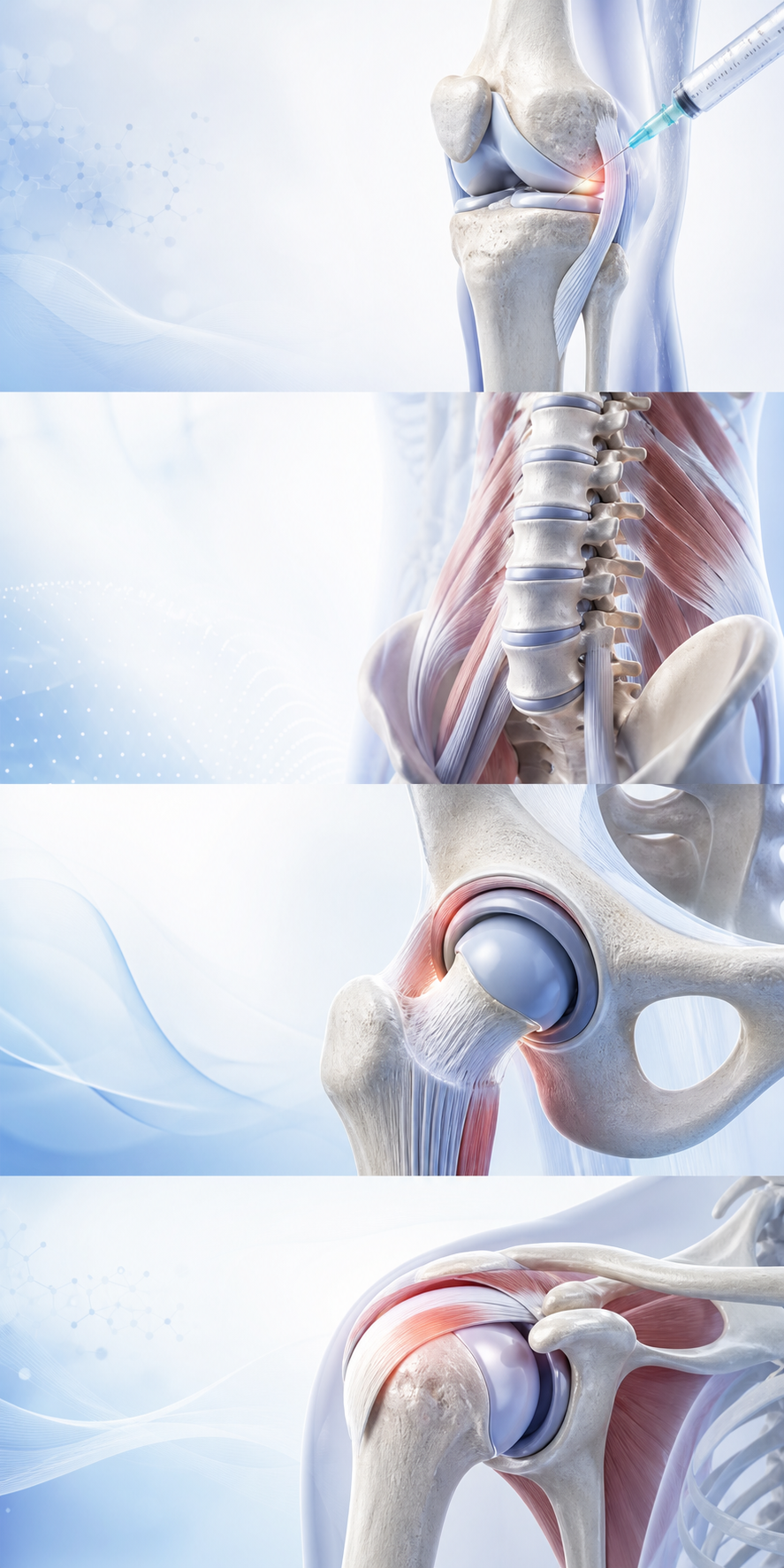
Short answer
Back pain during standing or walking can reflect load-sensitive mechanical pain, reduced capacity, hip or lower-limb problems, spinal nerve narrowing or a non-musculoskeletal cause. The distance, posture, leg symptoms and recovery pattern help guide assessment.
Describe the pattern precisely
Record how long or how far you can stand or walk before symptoms begin, where the pain travels and how quickly it eases. Note whether sitting, bending forward, stopping in place or changing footwear makes a difference.
A consistent functional pattern is more useful than saying only that ‘walking hurts.’ It helps distinguish load, nerve, hip and circulation-related possibilities.
Mechanical capacity and fatigue
Some pain builds as back and hip muscles fatigue or when a recent flare has reduced confidence and activity. The pattern may improve with graded exposure, strength and changes in how tasks are paced.
This does not mean pushing through severe symptoms. The rehabilitation dose should be matched to the diagnosis and reviewed against function.
Nerve and spinal-stenosis patterns
Pain, heaviness, tingling or weakness in one or both legs during standing or walking—especially when relieved by sitting or bending—can raise suspicion of neurogenic claudication, but vascular and hip causes can look similar.
Neurological examination and circulation checks guide referral. Progressive weakness, saddle numbness or bladder and bowel disturbance needs urgent care.
Hip, knee and circulation contributions
Hip arthritis, lower-limb alignment, knee pain and foot problems can change gait and increase back symptoms. Vascular claudication may produce leg discomfort related to walking and requires a different medical pathway.
Assessment should therefore include the hips and legs rather than treating the lumbar region in isolation.
Investigation and next steps
Imaging is not automatic. It is considered when findings suggest a specific cause or when the result is likely to change treatment or referral.
The plan may involve graded activity, rehabilitation, medical risk review, hip or lower-limb treatment, vascular assessment, or referral to a suitable spine or neurological service. Dr Shaharil is not presented as a spine specialist.
What current clinical guidance supports
Current low-back-pain guidance prioritises screening for specific causes, tailored self-management and continued activity, with exercise-based rehabilitation where appropriate. NICE advises against routine imaging in a non-specialist setting and recommends specialist imaging only when the result is likely to change management. New or progressive neurological warning signs require a different, more urgent referral pathway.

When to seek urgent care
Seek urgent assessment for new bladder, bowel or sexual-function disturbance, saddle-area numbness, rapidly worsening weakness, major trauma, fever with severe illness, or a sudden cold or weak limb. Call emergency services when symptoms are severe or progressing.
Frequently asked questions
Why does leaning on a trolley help some people walk?
Flexing forward can ease some spinal-stenosis patterns, but this clue is not diagnostic. Hip, vascular and general conditioning factors should also be assessed.
Should I use a walking aid?
A suitable aid can improve safety and tolerance for some people, but correct selection and height matter. Ask a clinician or physiotherapist for individual advice.
Does back pain always need a scan?
No. NICE advises against routine imaging in a non-specialist setting. Imaging is considered when serious pathology is suspected or when the result is likely to change management.
Does seeing an orthopaedic surgeon mean I need back surgery?
No. Assessment may lead to reassurance, activity advice, rehabilitation, appropriate investigation or referral. Dr Shaharil is a Consultant Orthopaedic & Trauma Surgeon, not presented here as a spine specialist.
Should I stay in bed until the pain settles?
Prolonged bed rest is not usually recommended for uncomplicated low-back pain. The safe amount of activity depends on symptoms, examination, injury and any warning signs.
Can pain medicine solve the cause?
Medicine may help some people manage symptoms, but suitability and risk vary. It should not replace assessment when symptoms are severe, changing, persistent or accompanied by warning signs.
When is emergency care more appropriate than a clinic appointment?
Go for urgent assessment after major trauma or with new bladder, bowel or sexual-function disturbance, numbness around the saddle area, rapidly worsening weakness, fever with severe illness, or other serious warning signs.
What should I bring to an assessment?
Bring a short symptom timeline, medicine and allergy list, earlier reports and actual scans if available, plus notes on walking, sleep, work and activities that have become difficult.
Conclusion
Back pain during standing or walking can reflect load-sensitive mechanical pain, reduced capacity, hip or lower-limb problems, spinal nerve narrowing or a non-musculoskeletal cause. The distance, posture, leg symptoms and recovery pattern help guide assessment. An individual consultation is needed to decide what is safe, useful and proportionate for you.
Medical references
Let’s work out the next step.
Tell the clinic what happened, what hurts and which activities are now difficult. The team can help arrange an appointment with Dr Shaharil.
WhatsApp for an appointmentThis article provides general education and does not replace individual medical assessment, diagnosis or treatment. Service and product availability, price and suitability must be confirmed directly with the clinic. Seek appropriate urgent care if symptoms are severe, progressive or concerning.
Leave a Reply