Patient guide
Lower-back pain is felt around the lumbar region; sciatica describes nerve-related pain that typically travels into a leg and may include tingling, numbness or weakness. The patterns can overlap, and examination determines whether urgent referral, rehabilitation or further investigation is appropriate.
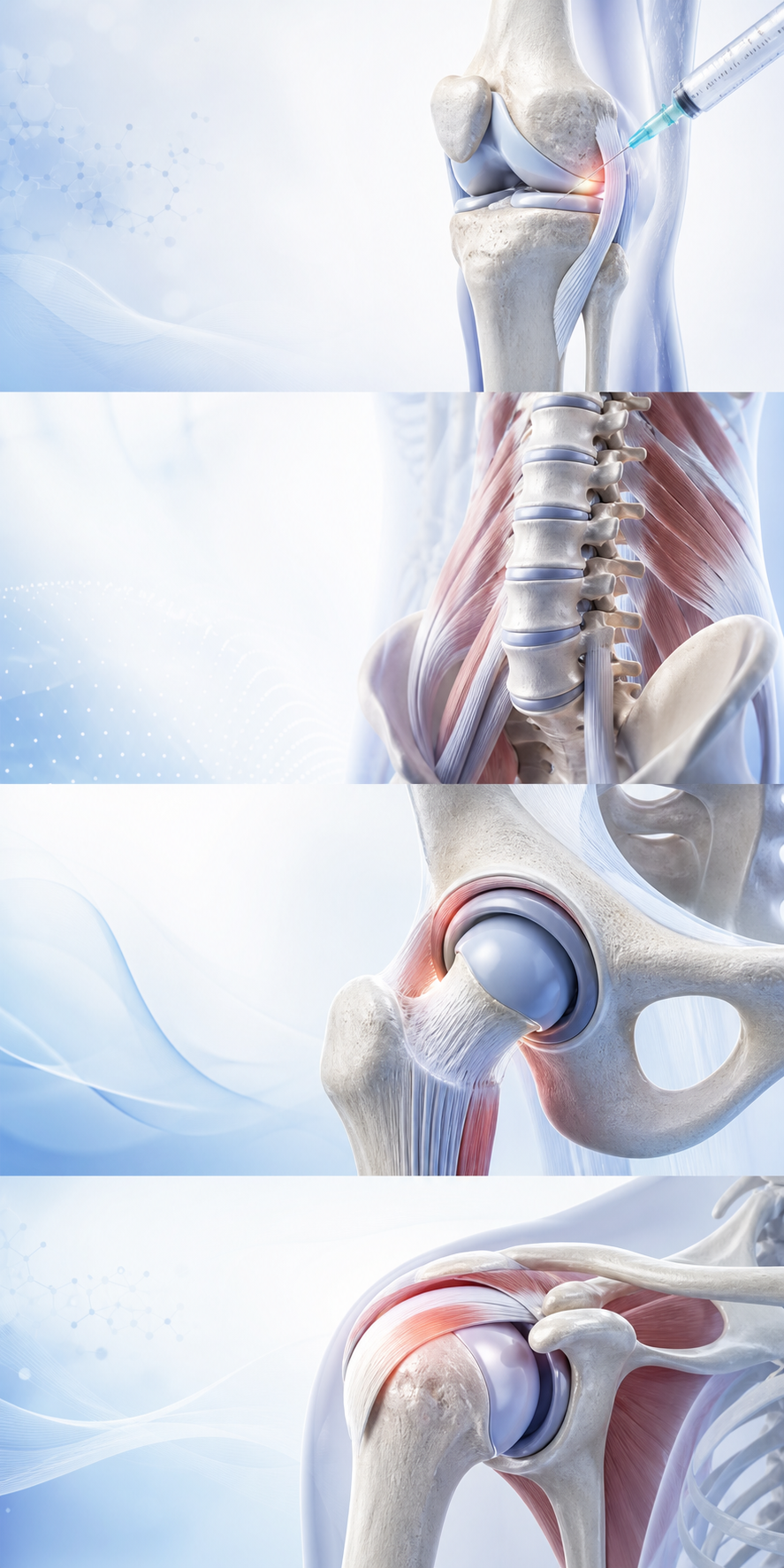
Short answer
Lower-back pain is felt around the lumbar region; sciatica describes nerve-related pain that typically travels into a leg and may include tingling, numbness or weakness. The patterns can overlap, and examination determines whether urgent referral, rehabilitation or further investigation is appropriate.
What ordinary lower-back pain can feel like
Non-specific or mechanical low-back pain may be an ache, stiffness or sharper pain influenced by movement, posture or load. It can be local or spread into the buttock without following a clear nerve pattern.
The term does not mean imaginary or insignificant. It means that a single serious disease or precise tissue source has not been identified from the clinical picture.
What makes sciatica different
Sciatica is commonly used for pain linked to irritation or compression of a nerve root, often travelling from the buttock down one leg. Tingling, altered sensation or weakness can occur, but not every leg ache is sciatica.
The distribution, neurological examination, reflexes, strength and symptom behaviour help distinguish radicular pain from hip, muscle, joint or vascular problems.
When symptoms overlap
A person can have both back and leg pain. Hip disorders can also refer pain to the thigh or knee, while back problems can be felt around the buttock or hip. Self-tests and pain maps are clues, not diagnoses.
Assessment asks which movement reproduces symptoms, whether coughing or straining matters, how far the pain travels, and whether walking, sitting or standing changes it.
Imaging and referral
NICE advises against routine imaging for low-back pain with or without sciatica in a non-specialist setting. In a specialist setting, imaging is considered when it is likely to change management.
Persistent or progressive neurological findings, severe symptoms or concern for a specific cause may lead to earlier investigation or referral to an appropriate spine, neurological or emergency service.
Track change, not just intensity
Record how far symptoms travel, whether numbness or tingling is spreading, and whether heel raises, stairs or ordinary walking feel weaker. A pain score alone can miss a meaningful neurological change.
At review, compare the same functional tasks. New or worsening weakness, altered bladder or bowel control, or saddle-area numbness needs urgent assessment rather than continued self-monitoring.
The practical next step
Without urgent features, care often includes education, continued activity within tolerance and an appropriate exercise-based rehabilitation plan. Medicines require individual risk assessment.
Dr Shaharil can assess musculoskeletal and orthopaedic causes and arrange appropriate referral when the problem falls outside his scope; this page does not present him as a spine specialist.
What current clinical guidance supports
Current low-back-pain guidance prioritises screening for specific causes, tailored self-management and continued activity, with exercise-based rehabilitation where appropriate. NICE advises against routine imaging in a non-specialist setting and recommends specialist imaging only when the result is likely to change management. New or progressive neurological warning signs require a different, more urgent referral pathway.

When to seek urgent care
Seek urgent assessment for new bladder, bowel or sexual-function disturbance, saddle-area numbness, rapidly worsening weakness, major trauma, fever with severe illness, or a sudden cold or weak limb. Call emergency services when symptoms are severe or progressing.
Frequently asked questions
Can sciatica occur without much back pain?
Yes. Leg-dominant nerve symptoms can occur, but other causes of leg pain must be considered. Examination is needed.
Does tingling always mean a trapped nerve?
No. Tingling can have several causes. Its location, timing, neurological findings and wider health help determine the next step.
Does back pain always need a scan?
No. NICE advises against routine imaging in a non-specialist setting. Imaging is considered when serious pathology is suspected or when the result is likely to change management.
Does seeing an orthopaedic surgeon mean I need back surgery?
No. Assessment may lead to reassurance, activity advice, rehabilitation, appropriate investigation or referral. Dr Shaharil is a Consultant Orthopaedic & Trauma Surgeon, not presented here as a spine specialist.
Should I stay in bed until the pain settles?
Prolonged bed rest is not usually recommended for uncomplicated low-back pain. The safe amount of activity depends on symptoms, examination, injury and any warning signs.
Can pain medicine solve the cause?
Medicine may help some people manage symptoms, but suitability and risk vary. It should not replace assessment when symptoms are severe, changing, persistent or accompanied by warning signs.
When is emergency care more appropriate than a clinic appointment?
Go for urgent assessment after major trauma or with new bladder, bowel or sexual-function disturbance, numbness around the saddle area, rapidly worsening weakness, fever with severe illness, or other serious warning signs.
What should I bring to an assessment?
Bring a short symptom timeline, medicine and allergy list, earlier reports and actual scans if available, plus notes on walking, sleep, work and activities that have become difficult.
Conclusion
Lower-back pain is felt around the lumbar region; sciatica describes nerve-related pain that typically travels into a leg and may include tingling, numbness or weakness. The patterns can overlap, and examination determines whether urgent referral, rehabilitation or further investigation is appropriate. An individual consultation is needed to decide what is safe, useful and proportionate for you.
Medical references
Let’s work out the next step.
Tell the clinic what happened, what hurts and which activities are now difficult. The team can help arrange an appointment with Dr Shaharil.
WhatsApp for an appointmentThis article provides general education and does not replace individual medical assessment, diagnosis or treatment. Service and product availability, price and suitability must be confirmed directly with the clinic. Seek appropriate urgent care if symptoms are severe, progressive or concerning.
Leave a Reply