Know when a closer look may help
Many aches improve with time, sensible activity changes and appropriate first-line care. Specialist assessment becomes more useful when symptoms persist, recur, follow an injury or begin limiting the life you want to lead.
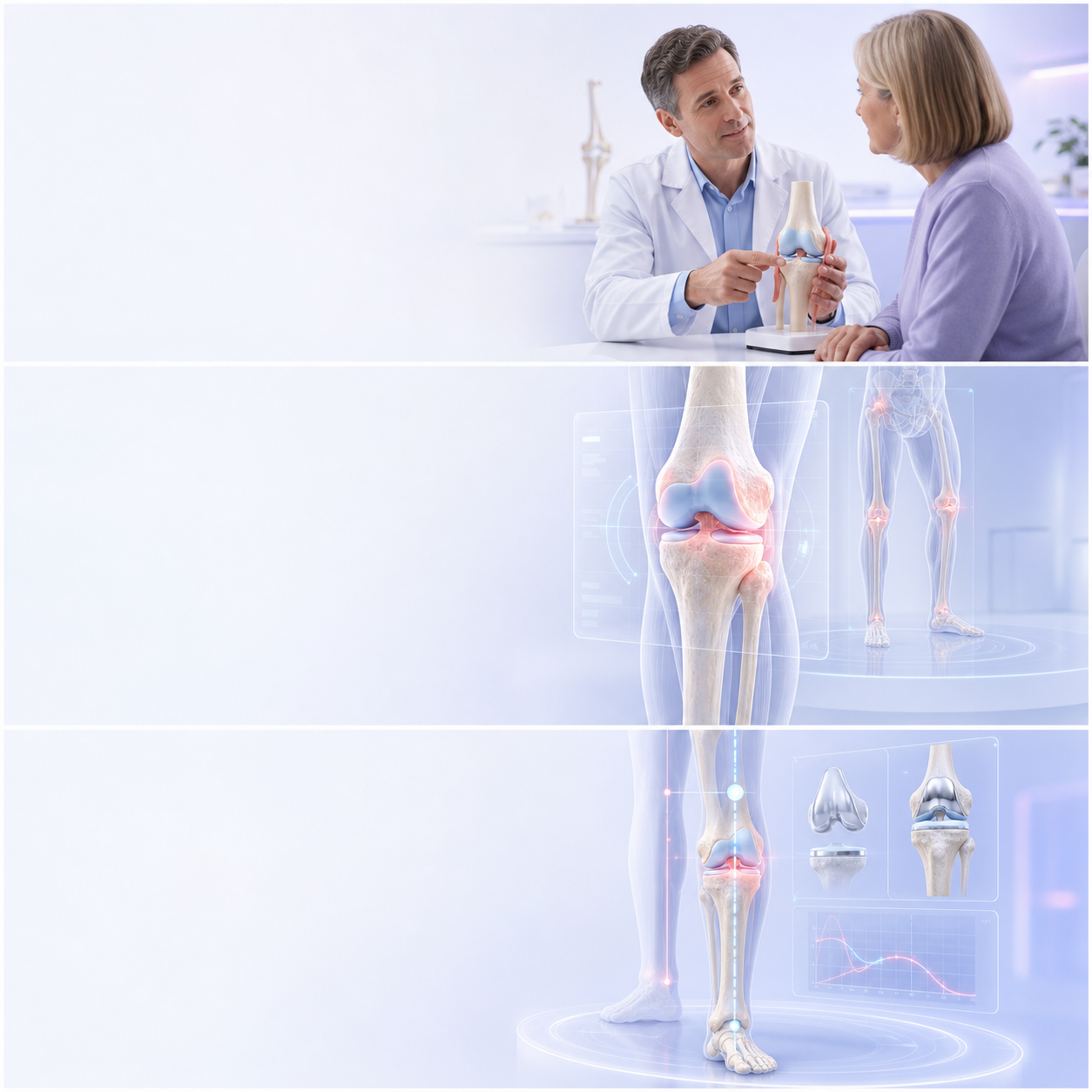
Short answer
Consider an orthopaedic assessment when bone or joint pain is not improving as expected, repeatedly returns, affects sleep or daily function, or is accompanied by swelling, stiffness, weakness, instability or loss of movement. Significant injuries and urgent warning signs need earlier care.
This guide is provided by Dr Shaharil Orthopedic Specialist Clinic Seremban to help patients understand the assessment and treatment pathway before an individual consultation.
Key takeaways
| Time | Pain that persists, recurs or progressively limits function deserves assessment. |
|---|---|
| Function | Walking, sleep, work, self-care and joint stability matter as much as a pain score. |
| Urgency | Deformity, inability to bear weight, a hot swollen joint with fever, or new numbness needs urgent care. |
| Specialist role | Assessment does not commit you to surgery; it clarifies the diagnosis and treatment pathway. |
The effect on function matters
Pain intensity is only one part of the story. Difficulty walking, climbing stairs, lifting, working, sleeping, exercising or caring for yourself may justify a closer assessment even if you can still manage some activities.
Notice whether the problem is gradually improving, staying the same or getting worse. Repeated flare-ups can also be important, especially when they make a joint feel unreliable or force you to keep changing your routine.
Some symptom patterns deserve specialist review
Persistent swelling, stiffness, restricted movement, weakness, locking, catching or giving way can point to different musculoskeletal problems. These symptoms cannot be diagnosed accurately from a checklist alone, but they provide useful reasons to examine the joint or limb properly.
An assessment may also help if you already have a diagnosis or scan but do not understand what it means, your recovery has stalled, or you want to discuss the available treatment pathways more clearly.
Injuries change the timing
Pain after a fall, collision, twist or direct impact should be judged according to the force of injury and your current function. Inability to bear weight, significant swelling, visible deformity or loss of normal movement should not be treated like a routine ache.
A suspected fracture, unstable joint or injury that is not recovering as expected may need examination and appropriate imaging. When symptoms are severe or circulation and sensation appear affected, emergency care is more appropriate than an ordinary clinic appointment.
An assessment does not commit you to surgery
Orthopaedic specialists diagnose and manage musculoskeletal conditions using both non-surgical and surgical approaches. The next step may be advice, rehabilitation, medication review, bracing, further investigation, monitoring or a procedure, depending on the diagnosis and your needs.
The purpose of the appointment is to understand the problem and discuss appropriate options. You should be able to ask about benefits, limitations, alternatives and what may happen if you choose to wait.
What clinical guidance supports
The NHS joint-pain guidance advises clinical review when pain affects normal activity or sleep, worsens, recurs or does not improve with initial self-care. It also identifies a hot swollen joint with systemic illness and inability to bear weight after injury as urgent patterns.
For common osteoarthritis patterns, NICE guidance focuses management on symptoms and physical function and does not recommend routine imaging when the clinical picture is typical.
Patterns that justify a closer look
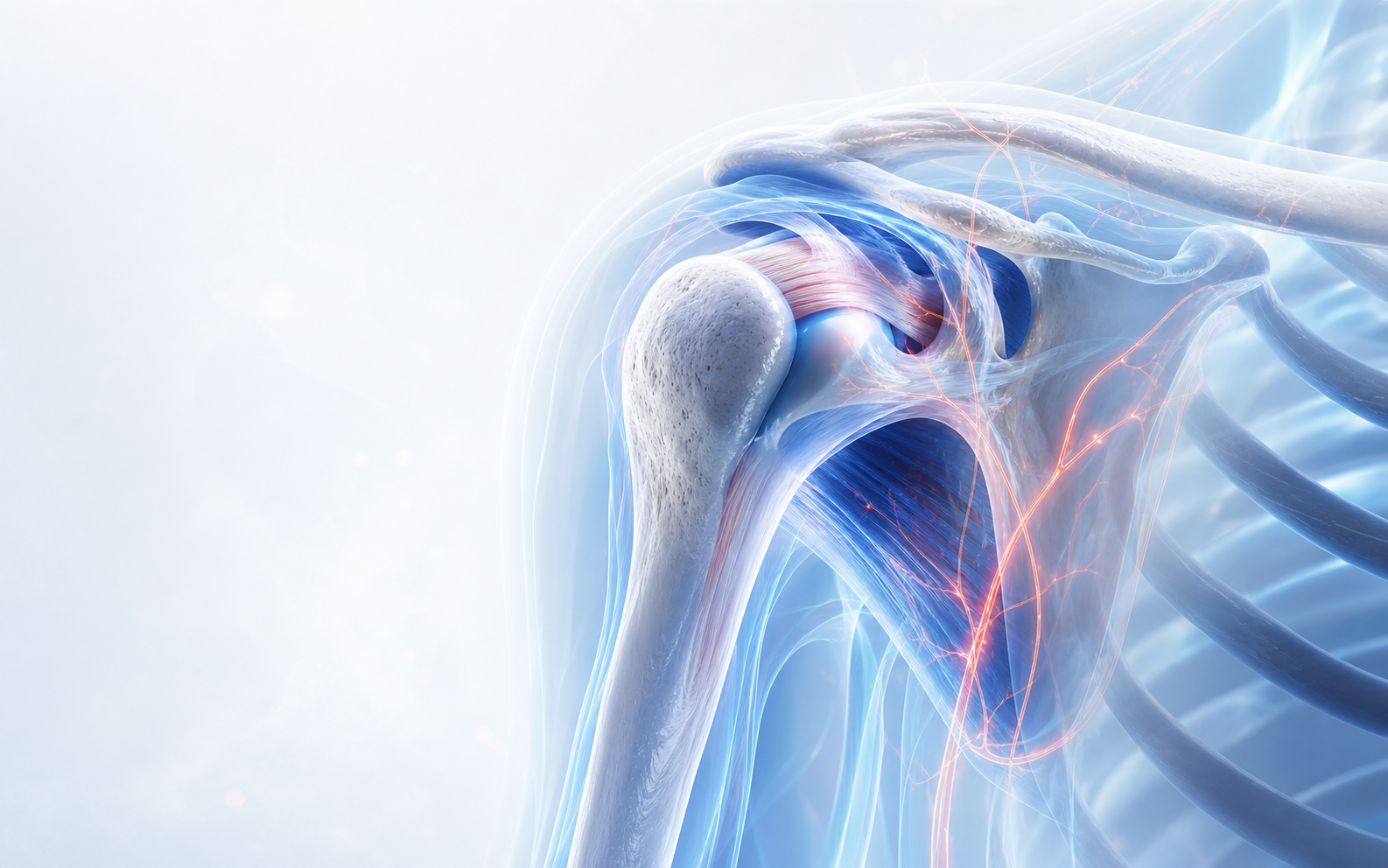
Specialist assessment becomes more useful when symptoms are persistent, progressively worsening, recurrent after reasonable treatment or difficult to explain. Repeated swelling, loss of movement, night pain, weakness, instability, a new lump or pain after a significant injury deserve context-specific review.
The threshold is also lower when the problem threatens work safety, caregiving, independent walking or an important activity. You do not need to wait until pain is unbearable; a meaningful loss of function is a valid reason to seek help.
Not every joint symptom belongs only to orthopaedics
Joint pain can be mechanical, inflammatory, infective, neurological or referred from another area. Morning stiffness lasting a long time, several swollen joints, rash, fever or systemic illness may require coordination with primary care, rheumatology or another specialty.
A careful clinician should be willing to redirect the pathway when the pattern points outside orthopaedic surgery. The goal is the correct care, not forcing every symptom into one specialty.
What a proportionate plan may include
Depending on the findings, the next step may be education, activity modification, rehabilitation, medication review, an X-ray or another targeted test. A specialist may also advise monitoring if the condition appears safe and self-limiting.
Surgery is considered only for selected diagnoses and circumstances, usually after the likely benefits, limitations, recovery demands and non-surgical alternatives have been discussed. The severity of a scan alone should not replace the patient’s symptoms and goals.
How I turn uncertainty into a staged plan
I usually organise the next step around three questions: what is safe to do now, what missing information would genuinely change treatment, and what development would make us revise the plan. The first step may be activity adjustment, diagnosis-specific rehabilitation, symptom relief or a targeted test. It should be proportionate to both the level of risk and the amount of function you have lost.
Every plan also needs a review point. We should agree on the change we hope to see, a reasonable timescale and the findings that would mean the strategy is not enough. This avoids waiting indefinitely without direction and also avoids escalating to an invasive treatment before the diagnosis, alternatives and goals are clear.
Personal factors that can change the recommendation
Two people with similar scan findings may reasonably choose different plans. Work demands, caregiving, previous injuries, other health conditions, medicines, sport, sleep, willingness to complete rehabilitation and the movement you need to regain can all change the balance of benefit and burden.
Tell the clinician about diabetes, heart, kidney or stomach problems, blood-thinning medicine, allergies, infection history, pregnancy where relevant, and previous operations or implants. These details do not automatically rule treatment in or out, but they can change medication safety, test selection, procedural risk, preparation and recovery planning.

Consider booking an assessment when
- Symptoms persist or keep returning despite reasonable initial care.
- Pain or stiffness limits walking, work, sleep, exercise or daily activities.
- A joint locks, catches, gives way or loses movement.
- You have a fracture, significant injury or recovery that is not progressing as expected.
- You have scans or a diagnosis but still need a clearer explanation of the options.
When to seek urgent care
Seek urgent help for major trauma, visible deformity, an open wound over a suspected fracture, severe uncontrolled pain, inability to use the limb, new numbness, or a limb that becomes cold or pale. Fever with a hot, red and swollen joint also needs urgent assessment.
Frequently asked questions
Should every joint ache see a specialist?
No. Many minor aches improve with appropriate first-line care. Assessment becomes more useful when symptoms persist, recur, worsen or interfere with function.
Can a specialist help if I already have a scan?
Yes. A specialist can consider the images and report alongside your symptoms and examination, then explain what the findings may mean for treatment.
What if I am unsure which joint or tissue is causing the pain?
You do not need to diagnose yourself. Describe where you feel the problem, when it occurs and what movement has changed.
Can bone or joint pain be diagnosed from symptoms alone?
Symptoms are important, but similar symptoms can arise from different structures or conditions. A diagnosis may require a focused examination and, only when it will change management, an appropriate investigation.
Should I stop all activity until I am assessed?
Not automatically. Avoid movements that cause sharp pain, repeated giving way or clear worsening, but complete rest can sometimes increase stiffness and weakness. The safe level of activity depends on the cause and severity.
Can I take pain medicine before the appointment?
Do not start, stop or change medication solely because of this article. Ask a doctor or pharmacist what is safe for you, especially if you have kidney, stomach, liver or heart problems, take blood thinners, are pregnant, or use other medicines.
What if my scan looks normal but I still have pain?
A scan is one part of assessment. Some painful problems are diagnosed mainly from the history and examination, and some scan findings do not explain the symptoms. Persistent functional difficulty still deserves a clinical review.
What should I monitor before follow-up?
Note pain triggers, swelling, sleep disturbance, walking tolerance, work or sport limitations, episodes of locking or giving way, and whether the agreed plan is helping. This gives the follow-up visit useful information.
Conclusion
The best time to seek an orthopaedic opinion is not defined by one pain score. It is when the pattern, duration, loss of function, instability or uncertainty makes a structured assessment more useful than continuing to wait without a plan.
Medical references
About Dr Shaharil
Dr Shaharil is a Consultant Orthopaedic & Trauma Surgeon practising at CMH Specialist Hospital in Seremban. Learn more about Dr Shaharil.
Let’s begin with a clear conversation.
Tell the clinic what hurts, when it began and what movement has become difficult. The team can help arrange an appointment with Dr Shaharil.
WhatsApp for an appointmentThis information is general and does not replace an individual medical assessment, diagnosis or treatment. If symptoms are severe or worsening, seek appropriate medical care promptly.
Leave a Reply